Banff Aesthetics Clinic
Toronto, ON
Professional medical aesthetics clinic offering treatments like Botox, fillers, laser hair removal, PRP, HIFU, and more in Toronto, ON.
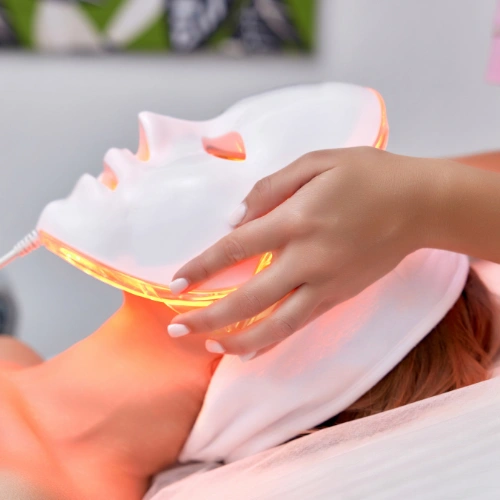
LED facials use specific wavelengths of light to trigger cellular responses in your skin — red light for collagen stimulation and anti-ageing, blue light for acne bacteria reduction, and near-infrared for deeper tissue healing. There's no contact, no chemicals, no downtime, and no pain. It's the most passive professional skin treatment you can get.
LED facials are device-dependent, and the device quality varies significantly across Toronto clinics. Professional-grade LED panels (Celluma, Dermalux, Omnilux) deliver clinically validated wavelengths at therapeutic intensity. Cheaper consumer-grade devices that some clinics use look similar but don't deliver enough power density to produce real cellular change. The difference isn't visible to you during treatment, which makes asking about the device important.
The clinics below are the highest-rated LED facial providers on PrettyLyst based on verified patient reviews, credentials, and overall experience.
Toronto, ON
Professional medical aesthetics clinic offering treatments like Botox, fillers, laser hair removal, PRP, HIFU, and more in Toronto, ON.
Toronto, ON
Cosmetic clinic offering personalized treatments, medical-grade skincare, and advanced non-surgical procedures in East York, Toronto.
Toronto, ON
Aesthetic and medical spa services including botulinum toxin, dermal fillers, skin rejuvenation, scar treatment, acne treatment, hair restoration, and fat dissolving procedures.
Toronto, ON
OxyBeauty offers a wide range of skin treatments, anti-aging solutions, acne treatments, and cosmetic procedures in Toronto. Specializing in oxygen-based treatments and advanced laser technologies.
Toronto, ON
Licensed Medical Aesthetician offering skincare and beauty services in North York, Ontario. Specializing in facials, laser treatments, injectables, and more.
Toronto, ON
Organic skincare products and professional facial treatments in Toronto, including acne treatments and Eminence Organic facials.
Standalone LED facials in Toronto run $60–$200 per session depending on the device used and session length. Most sessions are 20–30 minutes of light exposure, sometimes with a cleanse and serum application before and after. LED is also one of the most common facial add-ons in Toronto, typically $30–$60 extra when paired with a classic facial, HydraFacial, or microneedling session.
LED is a cumulative treatment — a single session produces subtle results at best. Most Toronto clinics recommend 6–12 sessions for visible improvement, often packaged at a significant discount. For more on how LED therapy works, see our guide to LED facials.
| Treatment | Price range |
|---|---|
|
LED add-on
added to another facial treatment · 15–20 min
|
$30 – $60
|
|
Standalone LED session
cleanse + LED + moisturize · 30 min
|
$80 – $150
|
|
LED facial package
cleanse + serum + LED + mask · 45–60 min
|
$130 – $200
|
Where you go shapes the experience. Each borough has a distinct clinic culture, price range, and clientele.
Toronto's aesthetic epicentre. Physician-led luxury clinics in Yorkville, modern medi-spas on King West, and wellness-forward studios in Queen West.
Competitive per-unit pricing with strong credentials. Multilingual consultations widely available across diverse communities.
Practical west-end option with several medi-spas and physician-led clinics along major corridors. Solid quality without the downtown commute.
Quieter, relationship-driven clinics with loyal repeat clientele. A neighbourhood feel with moderate pricing and a relaxed atmosphere.
Growing aesthetics scene with competitive pricing and clinics serving the east end's diverse communities. Lower per-unit costs than downtown.
An up-and-coming area with a handful of newer clinics offering approachable pricing. Worth watching as more providers set up shop.
LED therapy is low-risk and painless, but there are things worth understanding before you invest.
Red, blue, and near-infrared aren't interchangeable
Red light (630–660nm) stimulates collagen production and reduces inflammation — the go-to for anti-ageing and general skin health. Blue light (415–450nm) kills P. acnes bacteria and is specifically useful for inflammatory acne. Near-infrared (830nm+) penetrates deeper for tissue healing and pain reduction. Your Toronto provider should select the wavelength based on your skin concern, not default to one colour for everyone.
Results require consistency
LED therapy works at a cellular level and the effects are cumulative. One session might reduce redness temporarily, but visible improvement in skin quality, acne, or fine lines requires 6–12 sessions over several weeks. Think of LED like exercise for your skin cells — one gym session doesn't transform your body, but consistent sessions do.
LED enhances other treatments
LED therapy produces modest results on its own compared to treatments like microneedling, chemical peels, or even a good classic facial. Where it excels is as an accelerator — post-microneedling red LED speeds healing, post-peel LED reduces inflammation, and blue LED between acne facials keeps bacterial levels down. Most Toronto clinics position LED as an add-on for good reason.
Professional-grade vs consumer-grade
A professional LED panel (Celluma, Dermalux, Omnilux) delivers specific wavelengths at therapeutic power density validated by clinical studies. Some Toronto clinics use cheaper LED devices that emit the right colour but not enough power to trigger cellular change. You can't tell the difference by looking at the light. Ask which device your clinic uses and whether it's FDA-cleared or Health Canada approved for the claims they're making.
For LED therapy specifically, the device matters more than the provider's hands. Unlike a classic facial or microneedling where technique is everything, LED treatment involves positioning a panel over your face and letting the light do the work. Your provider's role is selecting the right wavelength and duration for your concerns and ensuring the device is professional-grade.
Ask which LED device they use by name, whether it's FDA-cleared or Health Canada approved, and what wavelengths it offers. A clinic using an Omnilux, Celluma, or Dermalux panel is working with validated technology. Also ask whether LED is offered standalone or primarily as an add-on — clinics that push expensive standalone LED packages may be overcharging for what's better used as a complement to other treatments.
If you're considering LED primarily for acne, ask whether the clinic also offers acne facials or chemical peels — LED works best when combined with hands-on acne treatment, not as a replacement. PrettyLyst's ratings let you compare Toronto LED facial providers based on verified patient reviews.
LED is the gentlest light-based option. Here's how it compares to other energy-based treatments available in Toronto.
|
IPL Photofacial
Broad spectrum light, targets pigment
|
Fraxel / Fractional Laser
Laser resurfacing, significant downtime
|
Microneedling
Physical collagen stimulation
|
At-Home LED Devices
Convenience, lower power
|
|
|---|---|---|---|---|
| How it differs | Uses intense pulsed light (broad spectrum, not single wavelength like LED) to target pigmentation, sun spots, redness, and broken capillaries. More aggressive than LED with mild downtime (redness, darkening spots that flake off over 5–7 days). Produces visible results faster but carries more risk, especially on darker skin tones. | Uses focused laser energy to create microscopic treatment zones for deep collagen remodeling. Far more aggressive than LED with 5–10 days of downtime. Addresses concerns LED can't touch: deep scarring, significant sun damage, wrinkles. Requires physician oversight. | Creates mechanical micro-injuries to trigger collagen production. More aggressive than LED with 2–5 days of downtime, but more effective for textural concerns, scarring, and fine lines. Often combined with LED post-treatment to accelerate healing. Different mechanism entirely. | Consumer LED masks ($100–$600) let you do LED at home. They use the same wavelengths but at significantly lower power density than professional panels, meaning longer sessions and slower results. Fine for maintenance between professional appointments. Not a replacement for professional treatments if you're trying to address specific concerns. |
| Price | $200–$500 per session | $500–$1,500 per session | $250–$600 per session | $100–$600 (one-time purchase) |
| Best for | Sun damage, pigmentation, rosacea redness, visible broken capillaries | Deep scarring, significant sun damage, wrinkles, patients willing to invest in real downtime | Acne scarring, texture, fine lines, patients who want visible improvement per session | Maintenance between professional sessions, patients who want daily low-level therapy at home |
| In Toronto | 253 providers | 119 providers | 347 providers | N/A — at home |
| Browse Toronto clinics | Browse Toronto clinics | Browse Toronto clinics |
Related treatments