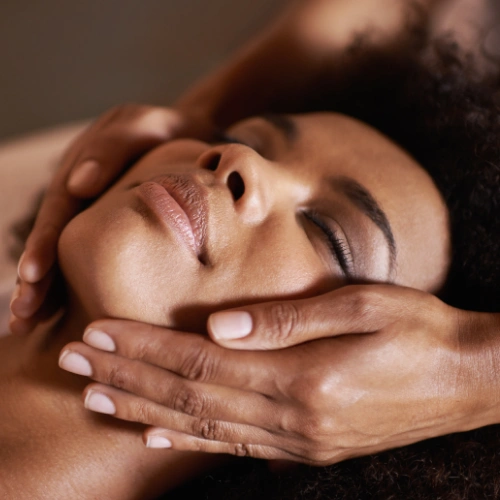
What is Microdermabrasion?
Microdermabrasion uses a handheld device to physically exfoliate the stratum corneum using either a diamond-tipped wand or fine crystals, with simultaneous suction to remove the loosened skin cells and stimulate circulation. Diamond-tip systems are now more common in Canadian clinics as they allow more precise pressure control. The treatment works entirely on the skin’s surface and does not penetrate into the dermis, making it more aggressive than dermaplaning but significantly less intensive than chemical peels or laser resurfacing.
What microdermabrasion can help with
- ✓ Smoothing rough or uneven skin texture caused by dead cell buildup
- ✓ Brightening dull, tired, or dehydrated-looking skin immediately after treatment
- ✓ Improving the appearance of mild hyperpigmentation and superficial sun damage over a series of sessions
- ✓ Reducing the visibility of enlarged pores and surface congestion
- ✓ Enhancing the penetration of serums and skincare products applied after treatment
- ✓ Providing a polished, event-ready glow with no recovery period
What to expect during your microdermabrasion appointment
Sessions run 20 to 45 minutes. After cleansing, your provider moves the device across the face in short, overlapping strokes, adjusting suction and abrasion intensity for different zones. The sensation is commonly described as light scratching or a rough cat’s tongue against the skin. The cheeks and forehead tolerate the most pressure; the nose, chin, and areas around the eyes are treated more gently. Skin looks slightly pink immediately after, which typically fades within a few hours. There is no peeling, crusting, or restriction on daily activities. Makeup can usually be applied the same day once any redness settles.
What results can you expect with microdermabrasion?
Most people notice immediately smoother, cleaner-feeling skin and a visible improvement in brightness after a single session. Results are surface-level: microdermabrasion excels at texture refinement and glow, but does not address deeper concerns like significant pigmentation, acne scarring, fine lines, or skin laxity. These concerns respond better to chemical peels, microneedling, or laser. For texture maintenance, regular sun damage management, and overall radiance, microdermabrasion is genuinely effective and results compound over a consistent series of monthly treatments.
How long microdermabrasion results last
Results typically last two to four weeks before the skin’s natural cell turnover cycle returns it to its baseline. Most providers recommend monthly sessions to maintain consistent smoothness and clarity. People who exfoliate regularly at home with chemical exfoliants between appointments can help extend the time between professional sessions. Unlike chemical peels or laser, microdermabrasion does not produce lasting structural changes to the skin, so ongoing treatment is required to maintain the benefit.
Who's a good fit for microdermabrasion?
Microdermabrasion is well suited to people with normal, combination, or mildly dry skin who want regular professional exfoliation without chemicals or downtime. It is safe for all skin tones. It is not recommended for people with active acne, inflamed pustules, or cystic breakouts, as the abrasion and suction can spread bacteria and worsen the condition. People with active rosacea flares, very sensitive or redness-prone skin, open wounds, or recent sunburn should also avoid treatment until the skin has settled. Those currently using prescription retinoids or strong topical acids should pause them a few days before the appointment to avoid over-sensitizing the skin.
Alternatives to microdermabrasion?
- Dermaplaning: physical exfoliation using a surgical blade; removes peach fuzz as well as dead skin, no suction, gentler on redness-prone skin
- Chemical peel: acid-based exfoliation reaching deeper into the skin; more effective for pigmentation, acne marks, and fine lines with some downtime depending on depth
- HydraFacial: device-based treatment combining exfoliation with simultaneous serum infusion; gentler than microdermabrasion and better for hydration-focused concerns
- Microneedling: creates micro-channels in the dermis to stimulate collagen; more effective than microdermabrasion for texture, scarring, and firmness but with more downtime
- At-home exfoliation (AHAs, BHAs, enzyme masks): lower-grade chemical exfoliation for maintenance between professional treatments; cannot match the immediate physical results of microdermabrasion
Common microdermabrasion questions
How does microdermabrasion work? + -
Does microdermabrasion hurt? + -
How soon will I see results from microdermabrasion? + -
Is there downtime after microdermabrasion? + -
How often should I get microdermabrasion? + -
Can microdermabrasion be combined with other treatments? + -
Is microdermabrasion safe for sensitive skin? + -
What should I avoid after microdermabrasion? + -
Featured clinics
Top-rated providers offering microdermabrasion.
weinject
Toronto, ON
weinject’s integral proprietary training system is built around the philosophy of ongoing practicums/internship or hands on practice in a controlled environment.
After Glow TO Laser Spa
Toronto, ON
Afterglow.to offers Laser Hair Removal, Korean facials, micro-needling, chemical peels, cupping, dermaplaning, and microdermabrasion.