You've probably heard microdermabrasion called a "quick fix" for dull skin or an "instant glow" treatment. But what does it actually do, and more importantly, is it right for your skin concerns? This page breaks down the real benefits of microdermabrasion so you can decide whether this popular exfoliating treatment deserves a spot in your skincare routine.
Treatment Benefits
Microdermabrasion offers several benefits by mechanically exfoliating the outermost layer of dead skin cells. Most people notice immediate improvements in skin texture and brightness after their first session, though the most dramatic results typically develop over several treatments. The procedure can help with fine lines, mild acne scars, uneven tone, enlarged pores, and sun damage. It's generally suitable for most skin types and requires no downtime, making it one of the more accessible cosmetic treatments available.
However, it's important to understand that microdermabrasion works on the surface layer of skin only. It won't eliminate deep wrinkles, remove significant scarring, or dramatically change your skin's structure. Results are also temporary, lasting a few weeks to a month, which means you'll need regular treatments to maintain your results. If you have active acne, rosacea, eczema, or certain other skin conditions, this treatment may not be appropriate for you.
Always consult with a qualified provider before starting any cosmetic treatment, as this information shouldn't replace personalized medical advice from a licensed professional.
How Microdermabrasion Actually Works
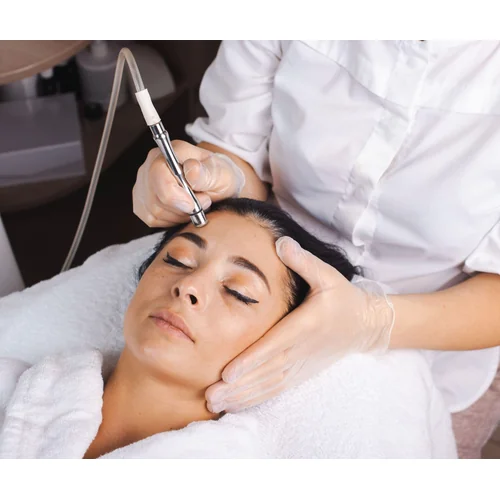
To understand the benefits, you need to know what's happening during treatment. Microdermabrasion uses a special instrument to gently exfoliate the uppermost layer of skin, essentially removing the buildup of dead cells that can make your complexion look dull or uneven.
There are two main techniques providers use. Crystal microdermabrasion involves spraying fine crystals onto your skin while simultaneously vacuuming them away along with the dead skin cells. Diamond-tip microdermabrasion uses a wand with a diamond-encrusted tip to physically buff away the surface layer. Both methods achieve the same goal: revealing fresher skin underneath while stimulating your skin's natural renewal process.
The procedure itself typically takes 30 to 40 minutes and doesn't require any anesthesia or numbing cream. Most people describe the sensation as a mild scratching or vibrating feeling, with some suction pressure. You can return to your normal activities immediately afterward, though your skin might be slightly pink or sensitive for a few hours.
The Main Benefits You Can Expect
Smoother, Softer Texture
One of the most noticeable benefits is the immediate improvement in how your skin feels. After just one session, many people notice their skin feeling smoother and softer. The treatment removes the rough, dry surface layer that can make skin feel coarse or bumpy.
This smoothing effect is particularly helpful if you struggle with rough patches, flaky skin, or an overall uneven texture. Over multiple sessions, the improvement becomes more pronounced as your skin continues to regenerate with a healthier appearance.
Brighter, More Radiant Complexion
Dull skin is often the result of dead cell buildup preventing light from reflecting off your skin's surface. By clearing away this layer, microdermabrasion reveals the fresher, brighter skin cells underneath.
The exfoliation process helps reveal a brighter complexion by removing dull, dead skin cells and promoting cell turnover. This gives your face a more radiant, healthy glow that many people notice right after their first treatment. If you're dealing with tired-looking or lackluster skin, this brightening effect can be particularly satisfying.
Reduction in Fine Lines and Wrinkles
While microdermabrasion won't eliminate deep wrinkles, it can soften the appearance of fine lines, especially around the eyes, mouth, and forehead. The treatment helps thicken collagen, which results in a younger-looking complexion.
Collagen is a protein in your skin which is abundant when you're a child and makes skin appear taut and smooth. As we age, collagen production naturally declines, leading to looser skin and more visible lines. Microdermabrasion stimulates this collagen production, helping to plump the skin and reduce the visibility of superficial wrinkles over time.
Improved Appearance of Acne Scars and Marks
If you're dealing with the aftermath of acne, microdermabrasion can help fade post-inflammatory marks and shallow scars. The procedure can make mild scars, especially those from acne, less noticeable by encouraging even collagen distribution and promoting the rise of fresh skin cells to the surface.
Over several sessions, many people see a noticeable fading of acne marks and a more even skin texture where shallow scarring used to be prominent. However, it's worth noting that deeper, pitted acne scars may require more aggressive treatments to see significant improvement.
Want to learn more specifically about using microdermabrasion for acne? We've got a dedicated guide for that.
More Even Skin Tone and Reduced Discoloration
Hyperpigmentation, sun spots, and uneven skin tone are common concerns that microdermabrasion can address. The treatment helps improve skin discoloration or uneven skin tone by removing the pigmented cells on the surface layer.
For age spots and sun damage, you'll typically notice gradual fading over several treatments. The exfoliation encourages a more even distribution of pigment-producing cells in your skin, which can lead to a more uniform complexion overall. However, deeper pigmentation issues like melasma may require a longer treatment series to see significant results.
Smaller-Looking Pores
Microdermabrasion can make enlarged pores or blackheads less noticeable through its deep cleansing action. The treatment removes the oil, debris, and dead skin cells that can make pores appear larger.
When pores are clogged with buildup, they stretch and become more visible. By thoroughly cleaning them out, microdermabrasion helps pores appear smaller and less prominent. The effect is temporary, which is why regular treatments are often recommended for people who struggle with enlarged pores.
Better Product Absorption
Here's a benefit that compounds over time: after microdermabrasion, your skincare products can penetrate more effectively. By removing the barrier of dead cells, your serums, moisturizers, and other treatments can reach the living skin cells where they'll have the most impact.
This enhanced transdermal delivery allows products to diffuse more freely in the viable epidermis. This means your at-home skincare routine becomes more effective between treatments, potentially giving you better long-term results.
Improved Circulation and Lymphatic Flow
Beyond the visible surface improvements, microdermabrasion also has benefits beneath the skin. The mechanical action of the treatment stimulates blood circulation in the treated area, bringing more oxygen and nutrients to your skin cells.
This increased circulation supports healthier skin function overall and contributes to that post-treatment glow many people experience. The lymphatic stimulation also helps with waste removal, which can reduce puffiness and support clearer skin.
What Microdermabrasion Doesn't Do
It's equally important to understand the limitations. Microdermabrasion won't eliminate deep wrinkles, remove significant scarring, or treat severe skin laxity. It can't remove moles, birthmarks, or tattoos. The treatment also doesn't address the underlying causes of conditions like acne or rosacea.
If you're looking for more dramatic anti-aging results or need to address deeper skin concerns, you might want to explore other options like chemical peels or dermabrasion, which work on deeper layers of skin.
Who Benefits Most from Microdermabrasion
This treatment works well for people dealing with mild to moderate skin concerns who want noticeable improvements without surgery or significant downtime. You might be a good candidate if you have dull or tired-looking skin, fine lines just starting to appear, mild acne scarring, sun damage, uneven texture, or enlarged pores.
Microdermabrasion is widely available and one of the most common nonsurgical cosmetic procedures performed in the United States, partly because it's safe for most skin types and tones. Unlike some laser treatments or chemical peels, there's typically no risk of permanent pigmentation changes, making it a good option for people with darker skin tones.
That said, microdermabrasion isn't for everyone. You should avoid this treatment if you have active acne with inflammation, active cold sores or other viral infections, open wounds or cuts, severe rosacea, eczema or psoriasis on the treatment area, or if you've recently used isotretinoin for acne.
Talk to your healthcare provider before getting this procedure if you have acne or are taking medication for acne, frequent skin rashes or cold sores, or skin conditions such as eczema or psoriasis. A qualified provider can assess whether microdermabrasion is appropriate for your specific situation.
How Often You'll Need Treatment
Here's where microdermabrasion differs from some other cosmetic procedures: results aren't permanent. Your skin continues aging and accumulating dead cells, which means you'll need ongoing treatments to maintain the benefits.
Most professionals recommend spacing out treatments every two to four weeks during your initial series. You'll typically need between four and twelve sessions to achieve your desired results, depending on your skin concerns and goals.
After completing your initial series, maintenance treatments every one to two months can help sustain your results. Some people prefer treatments every season to keep their skin looking its best year-round. Your provider can create a personalized schedule based on how your skin responds and what you're trying to achieve.
Microdermabrasion Results Over Time
After your first treatment, you'll notice your skin feels smoother and looks brighter. That immediate glow is one of the reasons people love this procedure. However, the more significant benefits build gradually over multiple sessions.
Peak results can be observed within six to twelve weeks of consistent treatments, as this allows time for new collagen production and skin cell turnover to occur. Fine lines may soften, acne marks can fade, and overall texture continues to improve as you progress through your treatment series.
Between sessions, you might notice some mild peeling or dryness as your skin continues its renewal process. This is normal and actually a sign that the treatment is working. Keeping your skin well-moisturized and protected from the sun will help you get the best possible results.
Cost Considerations
Thinking about whether microdermabrasion is worth the investment? Treatment costs can vary significantly based on your location and provider, but understanding the typical price range helps you budget accordingly.
Learn more about what microdermabrasion costs and what affects the final price in our detailed cost guide.
Comparing Your Options
Microdermabrasion isn't the only exfoliating treatment available. Depending on your skin concerns and goals, you might also consider dermaplaning, chemical peels, or traditional dermabrasion.
Each option has different benefits, limitations, and ideal candidates. For instance, dermaplaning versus microdermabrasion offers a gentler approach that also removes fine facial hair, while chemical peels can penetrate deeper for more dramatic results on certain concerns.
Making the Most of Your Treatment
To get optimal benefits from microdermabrasion, there are a few things you can do before and after your sessions. Before treatment, avoid sun exposure, tanning, and waxing for about a week. Stop using retinoids, strong acids, and other exfoliating products a few days prior.
After your treatment, your skin will be more sensitive to sun exposure, so be sure to use sunscreen, especially immediately following a session. Apply a broad-spectrum SPF 30 or higher daily and reapply every two hours when outdoors.
Keep your skin well-hydrated with a gentle, fragrance-free moisturizer. Avoid harsh products, intense exercise that causes heavy sweating, and swimming pools for at least 24 hours after treatment. Your provider will give you specific aftercare instructions tailored to your skin's needs.
Finding the Right Provider
The quality of your results depends significantly on who performs your treatment. Microdermabrasion can be performed by dermatologists, plastic surgeons, licensed aestheticians, or trained medical staff, depending on where you live.
Look for providers with proper credentials and experience in performing microdermabrasion. Read reviews from previous patients, ask about the specific equipment they use, and don't hesitate to ask questions during your consultation. A good provider will assess your skin carefully, discuss your goals, explain what results you can realistically expect, and create a treatment plan tailored to your needs.
Ready to find qualified providers in your area? Explore the main microdermabrasion treatment page to search by location and read provider profiles.