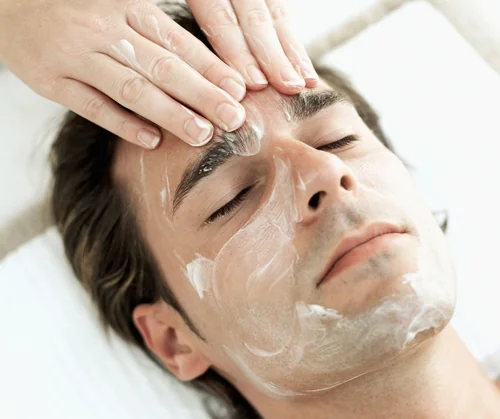
Why Men's Skin Needs Specialized Facial Treatments
Men's skin differs significantly from women's skin in ways that affect which facial treatments work best. Male skin is approximately 25% thicker due to higher collagen density, tends to be oilier with larger, more active pores producing more sebum, and has a rougher texture from daily shaving and coarser facial hair. These physiological differences mean that men often benefit from treatments specifically addressing their skin's unique characteristics rather than using identical approaches designed for women's skin.
Understanding Male Skin Characteristics
Testosterone drives many of the distinct features of men's skin that influence treatment selection. Higher androgen levels increase oil production significantly, making men more prone to acne and congested pores even into middle age. Thicker skin with more collagen means men typically show visible aging signs later than women but may need more intensive treatments when wrinkles do appear. Additionally, facial hair and regular shaving create specific concerns including ingrown hairs, razor burn, and irritation that require targeted solutions.
Common Skin Concerns in Men
The most frequent issues bringing men to professional facials include persistent oily skin and enlarged pores that contribute to blackheads and congestion, acne ranging from teenage breakouts to adult hormonal acne, shaving-related problems like ingrown hairs and razor bumps, aging signs including deepening wrinkles and loss of firmness, and sun damage accumulating from years of inadequate protection. According to research from the American Academy of Dermatology, men often delay addressing skin concerns until they become significant, making professional treatment particularly beneficial.
Breaking the Stigma Around Men's Facials
While professional skincare was once considered primarily feminine, attitudes have shifted dramatically as men recognize the benefits of proper skin maintenance. Regular facial treatments help men maintain professional appearance and confidence, address specific skin issues affecting quality of life, prevent premature aging through proper care, and provide relaxation and stress relief. Many medical spas now offer dedicated men's treatment rooms and services designed specifically for male clients.
Best Professional Facial for Male Skin
Deep Cleansing Facials for Oily Skin
Men with oily, congested skin benefit tremendously from deep cleansing facials that thoroughly remove excess sebum and debris from enlarged pores. These treatments typically include double cleansing with oil-dissolving products designed for thicker skin, steam application to open pores and soften congestion, professional extractions removing stubborn blackheads and whiteheads safely, and clarifying masks with ingredients like clay or charcoal absorbing excess oil. Monthly deep cleansing facials help manage ongoing oiliness while preventing acne formation.
Exfoliating Treatments for Rough Texture
The combination of thicker skin and daily shaving often creates rough, uneven texture that responds well to professional exfoliation. Microdermabrasion physically buffs away dead cells and smooths surface irregularities, chemical peels using salicylic or glycolic acid penetrate oily skin to refine texture, and enzyme treatments provide gentler exfoliation suitable even for sensitive skin. Regular exfoliation keeps skin looking fresh while allowing better absorption of skincare products.
Hydrating Facials for Balance
Contrary to popular belief, even oily male skin needs proper hydration to function optimally. Lightweight hydrating facials using oil-free formulations prevent the dehydration-triggered oil overproduction that worsens congestion, strengthen skin barrier function compromised by aggressive shaving, and balance skin without adding greasiness. HydraFacial works particularly well for men by combining deep cleansing with appropriate hydration.
Professional Extraction Techniques
Men's larger pores and higher oil production often lead to stubborn blackheads and whiteheads requiring professional extraction. Skilled estheticians safely remove these blockages without causing scarring or damage that self-extraction typically causes. Proper technique prevents the spread of bacteria, minimizes inflammation and redness, and provides immediate visible improvement. Combining extractions with antibacterial treatments prevents new breakouts from developing.
Key components of effective men's facials:
- Thorough cleansing addressing oil production. Men's facials should include deep cleansing that removes excess sebum without over-stripping, which can trigger reactive oil overproduction. Products designed for oily, thicker skin work better than gentle formulations.
- Targeted treatments for specific concerns. Rather than one-size-fits-all approaches, effective men's facials customize products and techniques based on whether you're dealing with acne, aging, sensitivity, or other issues requiring different solutions.
- Education on home care. Quality providers teach proper daily skincare routines complementing professional treatments, including correct shaving techniques and product recommendations preventing common problems men face.
Facial Treatments for Men with Acne
Understanding Male Acne Patterns
Men experience acne differently than women, often dealing with more severe inflammatory breakouts and cystic acne due to higher androgen levels. Adult male acne frequently concentrates on the jawline, neck, and back, areas affected by shaving and sweat. Professional acne facial treatments address these specific patterns through targeted approaches.
Salicylic Acid Treatments
Salicylic acid facials work exceptionally well for men's acne-prone skin because this beta hydroxy acid dissolves in oil, allowing it to penetrate deeply into sebum-filled pores. Professional treatments use higher concentrations than over-the-counter products, delivering more effective results. The acid exfoliates inside pores to prevent clogging, reduces inflammation and redness, prevents new breakouts from forming, and helps fade post-acne marks and discoloration.
LED Light Therapy for Acne Control
LED facial treatments using blue light provide an effective, gentle option for managing male acne without irritation. Blue LED wavelengths (415-445nm) kill P. acnes bacteria living in pores, reduce inflammatory responses causing redness and swelling, and regulate sebum production contributing to breakouts. Combined with red light, LED therapy both treats active acne and promotes healing of existing blemishes.
Chemical Peels for Severe Acne
Men with moderate to severe acne often achieve best results with professional chemical peels that penetrate deeply to unclog pores thoroughly, reduce excessive oil production, kill acne-causing bacteria, and improve acne scarring and textural damage. Salicylic acid peels work particularly well for oily male skin, while combination peels address multiple concerns simultaneously.
Acne treatment strategies for men:
- Consistent professional sessions. Acne requires ongoing management rather than one-time treatment, making regular facials every 3-4 weeks essential for controlling breakouts and preventing scarring.
- Coordinating with medical treatment. Severe acne may require prescription medications from a dermatologist alongside professional facials for optimal control. Your esthetician and doctor should coordinate treatment plans.
- Addressing shaving-related breakouts. Men often experience acne worsened by shaving practices, making proper technique education and soothing post-shave treatments crucial components of comprehensive acne management.
Anti-Aging Facial Treatments for Men
Collagen-Stimulating Modalities
While men show visible aging signs later than women due to thicker, collagen-rich skin, deeper wrinkles eventually develop requiring professional intervention. Microneedling creates controlled micro-injuries triggering robust collagen production, chemical peels resurface skin and accelerate cell renewal, radiofrequency treatments tighten skin through deep heating, and LED therapy using red wavelengths gently stimulates collagen over time.
Targeting Expression Lines
Men's facial expressions and muscle patterns create characteristic aging signs including prominent forehead lines from raising eyebrows, deep creases between brows from frowning or concentrating, and crow's feet from squinting or smiling. While injectables like Botox address dynamic wrinkles most effectively, professional facials help improve static lines through collagen building and hydration.
Addressing Sun Damage
Men historically use sun protection less consistently than women, leading to significant accumulated UV damage manifesting as age spots, uneven pigmentation, rough texture and leather-like appearance, and increased wrinkle depth. Chemical peels, IPL (intense pulsed light) treatments, and vitamin C facials effectively improve sun damage when performed regularly.
Maintaining Firmness and Elasticity
Loss of skin firmness affects men in their 40s-60s as collagen production declines and gravity takes its toll. Treatments supporting elasticity include radiofrequency skin tightening that heats deep tissue layers, ultrasound therapy delivering focused energy to specific depths, specialized facial massage improving circulation and tone, and peptide-rich facials supporting structural protein production. Understanding aging skin treatments helps men select appropriate anti-aging facials.
Facials Addressing Shaving Irritation and Ingrown Hairs
Why Shaving Creates Skin Issues
Daily or frequent shaving presents unique challenges that professional facials help manage. Razor friction removes protective skin layers causing irritation, cuts and nicks introduce bacteria risking infection, hair regrowth can curl back into skin creating painful ingrown hairs, and repeated trauma weakens skin barrier function over time.
Pre-Shave Exfoliation Treatments
Regular professional exfoliation prevents ingrown hairs by removing dead cells that trap growing hair beneath the surface, softens coarse facial hair making shaving easier and less traumatic, smooths skin texture for closer, cleaner shaves, and reduces razor bumps and irritation. Many men schedule facials specifically before important events to achieve smoothest possible skin.
Soothing Post-Shave Facials
Facials designed to calm shaving irritation use cooling, anti-inflammatory ingredients like aloe and chamomile, antibacterial treatments preventing infection in micro-cuts, hydrating masks restoring moisture stripped by shaving, and gentle massage improving circulation without aggravating sensitive skin. These treatments help skin recover from daily shaving stress.
Treating Existing Ingrown Hairs
Professional estheticians safely extract ingrown hairs using sterile techniques that minimize scarring, apply treatments reducing inflammation and infection risk, and recommend products preventing future ingrowns. Trying to extract ingrowns yourself often worsens inflammation and can cause permanent scarring.
Improving Shaving Technique
Quality estheticians provide education on proper shaving methods including using sharp, clean razors and replacing them regularly, shaving in the direction of hair growth to minimize irritation, applying appropriate lubrication protecting skin during shaving, and following with soothing, non-alcoholic aftershave products. Better technique reduces the need for corrective treatments.
How Often Men Should Get Facials
Establishing a Regular Schedule
Men benefit most from consistent facial treatments matched to their skin's natural cycle and specific concerns. For maintaining generally healthy skin, monthly facials align with the approximately 28-40 day cell turnover cycle. Men with oily, acne-prone skin may need facials every 3-4 weeks to control breakouts and manage oil production. Those focusing on anti-aging might start with more frequent treatments (bi-weekly) initially, then transition to monthly maintenance.
Seasonal Adjustments
Men's facial needs often shift with seasons, requiring schedule adjustments. Summer months may demand more frequent treatments addressing sun exposure, sweat, and increased oil production. Winter dryness might necessitate additional hydrating facials beyond your regular schedule. Ski season or beach vacations warrant protective treatments before and corrective care after extended outdoor exposure.
Coordinating with Life Events
Strategic facial timing around important events maximizes benefits. Schedule deep cleansing facials 7-10 days before major presentations or meetings allowing time for any temporary redness to fade. Book hydrating or brightening facials 2-3 days before photos, weddings, or special occasions for optimal glow. Plan intensive treatments like chemical peels during low-visibility periods when you can accommodate recovery time.
Building Cumulative Results
Professional facials work best through cumulative benefits rather than one-time treatments. Committing to regular sessions for 3-6 months establishes visible improvements in skin quality, tone, and texture. Consistency matters more than occasional intensive treatments when building long-term skin health. Many men find that establishing a monthly facial routine becomes an important self-care practice they maintain indefinitely.
Best Facial for Different Male Skin Types
Oily Skin and Large Pores
Men with excessively oily skin benefit from deep cleansing facials using clay masks absorbing excess sebum, salicylic acid treatments penetrating oil-filled pores, professional extractions removing blackheads and congestion, and lightweight, oil-free hydration preventing dehydration-triggered oil overproduction. HydraFacial works particularly well by thoroughly cleansing without stripping skin.
Dry or Sensitive Skin
While less common in men than women, dry or sensitive skin requires gentle approaches focusing on hydration and barrier repair. Enzyme facials exfoliate without harsh acids, oxygen facials deliver intense moisture, hyaluronic acid treatments plump and hydrate, and soothing ingredients like aloe calm irritation. Avoid aggressive physical exfoliation or strong chemical peels that could damage delicate skin.
Combination Skin Patterns
Many men have combination skin with an oily T-zone (forehead, nose, chin) but normal or dry cheeks. Skilled estheticians customize facials by applying clarifying treatments to oily zones, using hydrating products on dry areas, and balancing overall skin function. This targeted approach addresses different needs simultaneously rather than using uniform products everywhere.
Mature Skin with Multiple Concerns
Men in their 50s-60s often present with combination concerns requiring comprehensive treatment. Facials for mature male skin might include gentle exfoliation addressing roughness without irritating, collagen-stimulating modalities like microneedling or RF, hydration therapy combating age-related dryness, and targeted treatments for age spots or redness. Exploring various facial treatment options helps identify the most appropriate approach.
Customizing facials by skin type:
- Professional skin analysis matters. Rather than self-diagnosing, have an experienced esthetician assess your skin type, oil production, sensitivity level, and specific concerns. They identify issues you might miss and recommend treatments avoiding contraindications.
- Seasonal variations affect skin type. Your skin type may shift between seasons, with winter dryness affecting typically oily skin or summer humidity increasing oil production. Flexible treatment plans adapt to your skin's current condition.
- Combination approaches work best. Most men achieve optimal results by rotating between different treatment types rather than always doing identical facials, addressing various concerns through strategic scheduling.
Classic Facials vs. Medical-Grade Treatments
Traditional Spa Facials
Classic facials provide relaxation and basic skin maintenance through cleansing, gentle exfoliation, massage, masks, and moisturization. These treatments work well for men with minimal concerns seeking general skin health, regular maintenance between more intensive treatments, relaxation and stress relief as primary goals, or introduction to professional skincare before committing to aggressive options.
Medical-Grade Facial Treatments
Medical facials performed by dermatologists or medical estheticians use prescription-strength products, advanced technology like lasers or radiofrequency devices, and more aggressive techniques addressing significant concerns. These treatments deliver more dramatic results for stubborn issues, target specific medical-grade concerns like severe acne or rosacea, and provide supervised care for conditions requiring medical oversight.
Combining Approaches
Many men achieve best results by strategically combining traditional and medical-grade facials. Monthly classic facials maintain skin health and provide relaxation, quarterly medical-grade treatments address specific concerns aggressively, and coordinated care ensures treatments complement rather than conflict with each other. Your esthetician and dermatologist should communicate about your treatment plan.
Cost-Benefit Considerations
Classic facials typically cost $75-$150 per session making them accessible for regular maintenance, while medical-grade treatments range from $200-$800+ per session but deliver more significant improvements. Evaluate whether your concerns warrant medical intervention or if consistent basic care will suffice. Many men find that starting with classic facials and progressing to medical treatments if needed provides the most practical approach.
Overcoming Barriers to Men Getting Facials
Addressing Common Concerns
Men often hesitate to try professional facials due to misconceptions or discomfort. Common barriers include perceiving facials as feminine or unnecessary for men, uncertainty about what happens during treatment, concern about appearing vain or high-maintenance, and discomfort with the spa environment. The International Spa Association reports increasing male clientele as attitudes shift and men recognize skincare's practical benefits.
Finding Male-Friendly Providers
Selecting the right provider helps men feel comfortable pursuing facial treatments. Look for practices offering dedicated men's services or treatment rooms, estheticians experienced working with male skin concerns, straightforward, results-focused communication rather than excessive pampering language, and flexible scheduling accommodating professional obligations. Many dermatology practices and medical spas cater specifically to male clients.
Focusing on Results Over Process
Men often approach skincare more results-oriented than process-oriented, caring more about visible improvements than the experience itself. Quality providers understand this mindset, emphasizing concrete outcomes like clearer skin or reduced wrinkles, explaining treatment mechanisms scientifically rather than emotionally, providing realistic timelines for visible results, and recommending efficient protocols maximizing benefits. This practical approach resonates with many male clients.
Starting Simple
Men new to professional facials should start with straightforward options building comfort and understanding. Begin with a basic classic facial learning what treatment involves, progress to targeted facials addressing specific concerns as you identify priorities, and consider advanced treatments once you're familiar with professional skincare. This graduated approach prevents overwhelm while building effective skincare habits.
Home Care Supporting Professional Treatments
Essential Daily Skincare
Professional facials deliver best results when supported by appropriate daily care. Men should establish a simple routine including gentle cleanser removing oil and debris without over-stripping, treatment product with active ingredients addressing specific concerns, lightweight moisturizer with SPF for daytime protection, and nighttime moisturizer supporting skin repair. Your esthetician recommends products complementing your professional treatments.
Proper Shaving Techniques
Improving shaving practices prevents many concerns that professional facials address. Use sharp, clean razors replacing blades after 5-7 shaves, shave after showering when hair is softened and pores are open, apply quality shaving cream or gel providing lubrication and protection, shave in the direction of hair growth minimizing irritation, and follow with soothing, alcohol-free aftershave products. Better technique reduces ingrowns and irritation.
Sun Protection Importance
Men historically use sunscreen less consistently than women, accelerating skin aging and damage. Daily broad-spectrum SPF 30+ sunscreen prevents new sun damage and protects skin after treatments, helps maintain results from professional facials addressing existing damage, and prevents complications from treatments making skin photosensitive. Sun protection is the single most effective anti-aging practice.
Between-Session Maintenance
Extending facial benefits between professional sessions requires consistent home care following esthetician recommendations for products and frequency, avoiding harsh scrubbing or over-exfoliation that damages skin, staying hydrated internally and externally, and scheduling regular follow-up appointments maintaining momentum. The work you do between facials matters as much as professional treatments themselves.