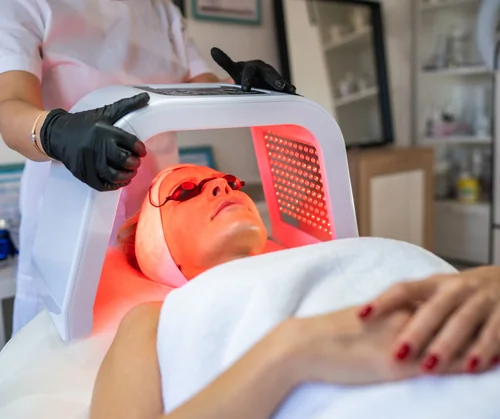
Understanding LED Facial Treatment Technology
An LED facial is a non-invasive skin treatment that uses light-emitting diodes to deliver specific wavelengths of visible light energy into your skin at varying depths. Unlike UV light which can damage skin, LED lights work by triggering natural cellular processes that improve skin health, stimulate collagen production, reduce inflammation, and address various skin concerns from acne to aging signs. The treatment is completely painless and involves no heat, chemicals, or skin surface damage.
The Science Behind LED Light Therapy
LED light therapy originated from NASA research in the 1990s when scientists studied how light wavelengths could promote wound healing and tissue growth in astronauts. This technology was later adapted for skincare applications after researchers discovered that specific wavelengths of light could penetrate skin at different depths to trigger beneficial cellular responses. Each color of LED light corresponds to a specific wavelength measured in nanometers, and these different wavelengths interact with your skin cells in unique ways.
How Light Energy Affects Skin Cells
When LED light penetrates your skin, it's absorbed by cells called chromophores which convert the light energy into cellular fuel. This process stimulates mitochondria within your cells to produce more ATP (adenosine triphosphate), essentially giving your skin cells extra energy to repair damage, produce collagen, reduce inflammation, and function more efficiently. The treatment works cumulatively, meaning regular sessions produce progressively better results as your skin's cellular activity continues improving.
Professional vs. At-Home LED Devices
Professional LED facial treatments use medical-grade devices with higher intensity light output and larger treatment panels that cover your entire face, neck, and chest simultaneously. At-home devices like masks and wands offer convenience and lower per-use costs but typically deliver less powerful light with limited coverage areas, requiring longer treatment times and more sessions to see comparable results. The wavelength strength and consistency of professional devices generally produce faster, more noticeable improvements.
How Different LED Light Colors Work
Red Light LED Facial Benefits
Red light with wavelengths around 630-660 nanometers penetrates deepest into your skin, reaching the dermis where collagen and elastin are produced. This wavelength stimulates fibroblast cells responsible for creating these structural proteins, helping reduce fine lines and wrinkles while improving skin firmness and elasticity. Red light also increases blood circulation, promotes wound healing, reduces inflammation, and can help calm redness from rosacea or sensitivity.
Blue Light LED Facial for Acne
Blue light operating at approximately 415-445 nanometers targets acne-causing bacteria (P. acnes) living in your pores by creating an oxygen-rich environment hostile to these anaerobic bacteria. The wavelength also helps regulate sebum production and reduces inflammation associated with breakouts. While blue light works near the skin's surface rather than penetrating deeply, it's highly effective for treating active acne, preventing future breakouts, and improving overall skin clarity.
Additional LED Light Colors and Uses
Yellow or amber light (around 590 nanometers) helps reduce redness, inflammation, and sun damage while promoting lymphatic drainage to reduce puffiness. Green light (approximately 525 nanometers) targets hyperpigmentation and age spots by breaking down excess melanin clusters, creating a more even skin tone. Some professional treatments combine multiple colors simultaneously or in sequence to address various concerns during a single session.
Color-specific treatment benefits:
- Red light for anti-aging. Stimulates collagen production to reduce fine lines, improves skin firmness and elasticity, increases circulation for a healthy glow, promotes wound healing and reduces post-treatment recovery time. Most effective for mature skin showing early to moderate aging signs.
- Blue light for acne control. Kills acne-causing bacteria without antibiotics or harsh chemicals, reduces sebum production in overactive oil glands, calms inflammation and redness from breakouts, prevents new acne from forming. Best for oily, acne-prone skin types.
- Yellow light for sensitive skin. Reduces redness and inflammation from rosacea or sensitivity, improves lymphatic drainage to decrease puffiness, helps heal sun damage and evens skin tone, soothes irritated skin without causing additional stress. Ideal for reactive or sensitized complexions.
- Green light for pigmentation. Breaks down melanin clusters causing dark spots and age spots, evens out skin tone and reduces hyperpigmentation, calms redness and creates a balanced complexion, enhances overall radiance. Effective for sun damage and uneven tone.
Understanding different facial treatments for specific concerns helps you determine whether LED therapy or traditional facials better suit your skin goals.
What Happens During an LED Facial Session
Pre-Treatment Skin Preparation
Your esthetician begins by thoroughly cleansing your face to remove all makeup, oils, and impurities that could block light penetration into your skin. Many providers follow cleansing with gentle exfoliation to remove dead skin cells and allow deeper light absorption. Some treatments include application of serums or hydrating masks before LED exposure to enhance results, as certain skincare products can boost the effectiveness of light therapy.
The LED Light Application Process
You'll lie comfortably on a treatment bed while your provider places protective goggles over your eyes to shield them from the bright LED lights. A large LED panel or specialized mask is then positioned above your face at an optimal distance, typically within 1-2 inches of your skin. You'll relax for 15-30 minutes while the LED lights bathe your face in colored light, feeling only gentle warmth without any pain or discomfort.
Post-Treatment Care and Products
After the LED exposure completes, your esthetician removes the device and may apply serums, moisturizers, or SPF suited to your skin type and the specific light colors used. Your skin absorbs products exceptionally well immediately after LED treatment since cellular activity has been stimulated. You can return to normal activities right away with no downtime, redness, or visible side effects.
What the Treatment Feels Like
LED facial treatments are completely painless and relaxing, with most people describing a gentle warmth on their skin similar to lying in pleasant sunshine. Unlike laser treatments that can feel like rubber bands snapping, LED therapy produces no discomfort, stinging, or burning sensations. The experience is so comfortable that many clients use the treatment time to nap or meditate.
What LED Facials Treat and Improve
Anti-Aging and Collagen Stimulation
LED facials excel at addressing early to moderate signs of aging by boosting your skin's natural collagen and elastin production. Regular treatments can reduce the appearance of fine lines and wrinkles, improve skin firmness and elasticity, enhance overall texture and smoothness, and create a more youthful, radiant complexion. While results are subtler than aggressive treatments like laser resurfacing, they develop naturally without downtime or risks.
Acne and Breakout Management
Blue light LED therapy offers an effective, non-invasive approach to managing acne without harsh medications or topical treatments. The technology kills acne-causing bacteria, reduces inflammation and redness from active breakouts, regulates oil production to prevent future acne, and helps minimize the appearance of existing acne scars through collagen stimulation. Many people with persistent acne find LED therapy a gentler alternative to prescription treatments.
Redness, Inflammation, and Rosacea
The anti-inflammatory properties of certain LED wavelengths make this treatment particularly effective for people struggling with rosacea, general redness, or sensitive skin. LED therapy calms inflammation, reduces visible blood vessels and flushing, soothes irritated skin, and strengthens the skin barrier over time. The gentle nature of light therapy makes it suitable even for reactive skin that can't tolerate more aggressive treatments.
Sun Damage and Hyperpigmentation
LED facials help improve the appearance of sun damage including age spots, freckles, and uneven pigmentation through several mechanisms. The light energy promotes cell turnover to shed damaged surface cells, stimulates production of new, healthy skin cells, breaks down excess melanin causing dark spots, and creates a more uniform, radiant skin tone. Results develop gradually through consistent treatment sessions.
Additional skin concerns LED therapy addresses:
- Wound healing and post-procedure recovery. Red light accelerates healing after facial procedures, reduces inflammation and bruising, minimizes downtime from more aggressive treatments, supports skin barrier repair. Often used in conjunction with microneedling or laser treatments.
- Enlarged pores and skin texture. Regular LED sessions can refine pore appearance, smooth rough or uneven texture, improve overall skin quality, create a more polished complexion. Best results occur with consistent treatment over several months.
- Dull, tired-looking skin. LED therapy increases circulation and cellular energy, creates an immediate healthy glow, enhances skin radiance and vitality, makes complexion appear more awake and refreshed. Great as a pre-event treatment.
For those dealing with specific issues like aging skin, exploring facial treatments for aging skin provides additional treatment options beyond LED therapy.
How Often You Should Get LED Facials
Initial Treatment Series
Most providers recommend starting with 2-3 LED facial sessions per week for 4-6 weeks to build up results and establish noticeable improvements in your skin. This intensive initial phase allows cumulative benefits to develop as your skin's cellular activity continues improving with each session. The frequency and total number of treatments depend on your specific concerns, with acne often requiring more frequent sessions than anti-aging goals.
Maintenance Treatment Schedule
After completing your initial series, maintenance sessions every 2-4 weeks help preserve results and continue supporting healthy skin function. Some people find weekly treatments optimal for maintaining clear skin or preventing aging signs, while others achieve satisfactory results with monthly sessions. Your individual response to LED therapy, skin concerns being addressed, and budget all influence the ideal maintenance frequency.
Factors Affecting Treatment Frequency
The severity of your skin concerns impacts how often you'll need LED facials, with more serious issues like cystic acne or significant sun damage requiring more frequent treatments initially. Your age and natural skin healing capacity also play a role, as younger skin may respond more quickly to light therapy. Additionally, whether you're using at-home devices between professional sessions can reduce the frequency of in-office treatments needed.
Is LED Facial Safe and Effective
Safety Profile and FDA Approval
LED light therapy is FDA-approved as a safe, non-invasive treatment that doesn't damage skin or underlying tissues. Unlike UV light which can cause burns and increase skin cancer risk, LED wavelengths used in facials don't contain harmful UV rays. The treatment causes no pain, requires zero downtime, and is suitable for all skin types and tones without risk of hyperpigmentation or other complications common with certain laser treatments.
Who Can Benefit from LED Facials
LED facials are safe for virtually everyone regardless of age, skin type, or skin tone, making them one of the most universally accessible aesthetic treatments available. People with sensitive skin who can't tolerate chemical peels or aggressive procedures often find LED therapy perfectly gentle. The main exceptions are pregnant women who should consult their doctors before any aesthetic treatments and people with certain rare light-sensitive conditions.
Scientific Evidence and Research
Multiple clinical studies have demonstrated LED light therapy's effectiveness for improving various skin concerns, with particularly strong evidence supporting its use for acne, wound healing, and collagen stimulation. Research shows that red light at specific wavelengths significantly increases collagen production and reduces fine lines. Blue light has been proven to reduce acne-causing bacteria and decrease breakouts in controlled studies.
Realistic Expectations for Results
LED facials provide subtle to moderate improvements rather than dramatic transformations, making them ideal for people seeking gradual enhancement without obvious "work" being done. You'll likely notice brighter, more radiant skin after just one session, but significant changes in wrinkles, acne, or pigmentation require consistent treatments over weeks to months. Professional-grade devices deliver better results than at-home options, though the latter can extend and maintain improvements between professional sessions.
LED Facial vs. Other Facial Treatments
LED Therapy vs. Traditional Facials
Traditional facials focus on cleansing, exfoliating, and hydrating skin through manual techniques and topical products, while LED therapy uses light energy to trigger cellular changes from within. Many providers now incorporate LED light as a finishing step in traditional facials, combining the immediate gratification of extractions and masks with the long-term cellular benefits of light therapy. This hybrid approach often delivers more comprehensive results than either treatment alone.
LED vs. Chemical Peels
Chemical peels work by deliberately damaging and removing skin layers to force new cell turnover, requiring significant downtime and carrying risks of complications. LED facials achieve cell turnover and collagen stimulation without any damage, making them suitable for sensitive skin that can't tolerate peels. However, peels typically deliver more dramatic improvements in fewer sessions, while LED requires consistent treatments for gradual results.
LED vs. Microneedling
Microneedling creates controlled micro-injuries to trigger healing and collagen production, delivering more aggressive results than LED but requiring several days of downtime and carrying some risk. LED therapy stimulates collagen through cellular energy rather than wounding, making it completely comfortable with zero recovery. Many practitioners combine both treatments, using LED immediately after microneedling to accelerate healing and enhance results.
Combining LED with Other Treatments
LED facials complement virtually every other skincare treatment by promoting healing, reducing inflammation, and boosting cellular activity. The therapy is commonly added after microneedling, chemical peels, or laser treatments to speed recovery and enhance outcomes. LED can also amplify the effectiveness of acne facials by providing antibacterial benefits alongside traditional extractions and treatments.
At-Home LED Devices vs. Professional Treatments
Power and Intensity Differences
Professional LED devices emit significantly stronger light output than at-home options, with medical-grade equipment delivering 10-100 times more energy per session. This higher intensity allows professional treatments to penetrate deeper, trigger more robust cellular responses, and produce visible results more quickly. At-home devices work but require much longer treatment times and more frequent sessions to achieve comparable improvements.
Coverage Area and Convenience
Professional LED panels treat your entire face, neck, and often chest simultaneously during each 20-30 minute session, ensuring even light distribution across all areas. At-home masks cover the full face but typically deliver less uniform light, while handheld wands require you to manually treat small sections, making full-face coverage time-consuming. The convenience of at-home devices comes at the cost of efficiency and consistency.
Cost Comparison Over Time
Professional LED facials cost $75-$200 per session, with initial series of 8-12 treatments totaling $600-$2,400 before transitioning to maintenance. At-home devices range from $50-$2,000 as one-time purchases but require consistent use 3-5 times weekly for ongoing results. Over time, at-home devices may cost less than professional treatments, though results are generally subtler.
When to Choose Each Option
Choose professional LED facials for serious skin concerns requiring medical-grade treatment, when you want faster results with minimal effort, or for special occasions when you need immediate glow and radiance. Opt for at-home devices to maintain results between professional sessions, for mild concerns not requiring intensive treatment, or when budget and convenience make regular professional visits impractical. Many people use both strategically for optimal results.