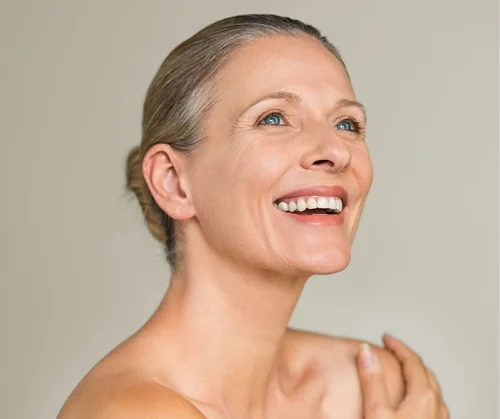
Understanding the Best Facials for Mature Skin
The best facial treatment for aging skin addresses the specific changes that occur as we age, including decreased collagen production, slower cell turnover, loss of elasticity, and accumulated sun damage. Professional anti-aging facials work by stimulating collagen synthesis through various mechanisms, accelerating skin cell renewal to reveal fresher skin, delivering concentrated active ingredients deeper than home products can reach, and improving circulation and hydration to restore plumpness. While facials can't stop the aging process, consistent professional treatments combined with quality home care can significantly improve your skin's appearance and slow visible aging signs.
How Aging Changes Your Skin
As we age, several interconnected processes affect our skin's appearance and function. Collagen and elastin production naturally decline starting in our mid-20s, with about 1% loss annually accelerating after menopause due to hormonal changes. Cell turnover slows from approximately 28 days in youth to 45-90 days in mature skin, causing dullness and rougher texture. The skin's protective barrier weakens, leading to increased dryness and sensitivity, while years of sun exposure create cumulative damage manifesting as age spots, uneven tone, and wrinkles.
Why Professional Treatments Work Better
Professional facial treatments for aging skin deliver superior results compared to at-home care because they use medical-grade products with higher concentrations of active ingredients, employ specialized techniques and equipment not available for home use, and are customized to your specific concerns and skin condition by trained professionals. Estheticians can safely perform more aggressive treatments that would be risky without professional supervision, and they understand how to combine modalities for synergistic effects.
Realistic Expectations for Anti-Aging Facials
It's important to understand that facial treatments can improve aging skin's appearance significantly but cannot completely reverse years of aging or replicate surgical results. You can expect gradual improvements in fine lines and texture, enhanced radiance and more even tone, better hydration and skin quality, and slower progression of visible aging signs. Most people see some immediate improvements after a single session, but optimal, lasting results require consistent treatments over months combined with diligent sun protection and home care. Individual results vary based on your age, skin condition, genetics, and lifestyle factors.
Best Facial Treatments for Wrinkles and Fine Lines
Chemical Peels for Anti-Aging
Chemical peels rank among the most effective facial treatments for reducing wrinkles and fine lines by using controlled exfoliation to remove damaged outer skin layers. Light peels using alpha hydroxy acids or enzymes gently smooth surface texture and fine lines with no downtime, making them ideal for sensitive or aging skin new to peels. Medium peels with trichloroacetic acid penetrate deeper to address moderate wrinkles, sun damage, and uneven pigmentation, requiring 5-7 days of peeling and recovery. Deep peels deliver the most dramatic wrinkle reduction but involve significant downtime and are typically performed by dermatologists or plastic surgeons.
Microneedling Facials
Microneedling creates controlled micro-injuries in the skin using fine needles, triggering your body's natural healing response to produce fresh collagen and elastin. This process effectively reduces the appearance of fine lines and wrinkles, improves skin texture and firmness, enhances product absorption for better results, and works safely on all skin tones without pigmentation risks. Results develop gradually over 3-6 months as new collagen matures, with most people needing 3-6 sessions spaced 4-6 weeks apart for optimal improvement.
Oxygen Facials for Plumping
Oxygen facials deliver pressurized oxygen along with concentrated serums deep into the skin, creating an immediate plumping effect that temporarily softens fine lines and wrinkles. The treatment enhances circulation bringing nutrients to skin cells, hydrates deeply to reduce the appearance of fine lines, creates an instant glow perfect for pre-event preparation, and feels soothing and relaxing on aging skin. While results are more temporary than treatments like microneedling or peels, oxygen facials provide immediate gratification and work well as part of a rotating treatment schedule.
Wrinkle-targeting treatment approaches:
- Collagen-stimulating modalities. Treatments like microneedling, radiofrequency, and certain lasers work by triggering your skin's wound-healing response to produce new structural proteins. These deliver longer-lasting improvements as fresh collagen continues developing for months post-treatment.
- Exfoliating treatments. Chemical peels, microdermabrasion, and enzyme facials remove dead surface cells that emphasize fine lines while accelerating cell turnover. Regular exfoliation keeps skin looking fresher and allows better penetration of anti-aging ingredients in your home routine.
- Hydration and plumping therapies. Oxygen facials, hydrating masks, and hyaluronic acid infusions temporarily fill in fine lines by saturating skin with moisture. While effects are shorter-lived, these treatments create immediate visible improvement and support skin barrier health.
LED Light Therapy for Aging Skin
Red Light Anti-Aging Benefits
Red LED light therapy at wavelengths around 630-660 nanometers penetrates into the dermis where it stimulates fibroblast cells responsible for producing collagen and elastin. This non-invasive treatment reduces the appearance of fine lines and wrinkles through increased structural protein production, improves skin firmness and elasticity gradually over time, enhances circulation for healthier, more radiant skin, and accelerates healing and reduces inflammation. According to research from organizations including the American Academy of Dermatology, LED therapy has demonstrated effectiveness for anti-aging when performed consistently.
Treatment Frequency and Results
LED facial treatments for aging skin typically require 2-3 sessions weekly for 4-8 weeks initially to establish visible improvements, followed by maintenance treatments every 2-4 weeks to preserve results. Each session lasts 15-30 minutes and is completely painless, making LED therapy one of the most comfortable anti-aging options available. Results develop gradually, with most people noticing smoother texture and reduced fine lines after completing an initial series, though dramatic wrinkle reduction requires more aggressive treatments.
Combining LED with Other Facials
LED light therapy works exceptionally well when combined with other anti-aging treatments, often enhancing results and reducing recovery time. It's commonly added after chemical peels to calm inflammation and accelerate healing, following microneedling to boost collagen production further, as a finishing step in classic facials for added anti-aging benefits, and alternated with more aggressive treatments as part of a comprehensive skincare plan. The gentle nature of LED makes it suitable even for sensitive aging skin that can't tolerate harsher approaches.
HydraFacial for Mature Skin
Multi-Step Anti-Aging Approach
HydraFacial has become one of the most popular treatments for aging skin because it addresses multiple concerns simultaneously through a unique vortex-fusion delivery system. The treatment cleanses and exfoliates using gentle acids and suction, extracts impurities from pores without manual pressure, and infuses skin with antioxidants, peptides, and hyaluronic acid for immediate hydration and radiance. Unlike traditional facials that may irritate aging skin, HydraFacial's gentle yet effective approach suits even sensitive mature complexions.
Customizable Anti-Aging Boosters
What makes HydraFacial particularly effective for aging skin is the ability to customize treatments with targeted boosters addressing specific concerns. Growth factor serums stimulate collagen and cell renewal, vitamin C and alpha arbutin target sun damage and age spots, peptides improve firmness and reduce wrinkle depth, and red LED light can be added post-treatment for enhanced anti-aging effects. Your provider selects boosters based on your primary concerns, creating a personalized treatment each session.
Immediate and Cumulative Results
One of HydraFacial's appeals is delivering both instant gratification and long-term improvements. Immediately after treatment, your skin looks plumper, more radiant, and hydrated, with fine lines temporarily softened. With consistent monthly treatments, you'll see cumulative benefits including gradual reduction in fine lines and wrinkles, improved skin texture and tone, better moisture retention, and enhanced overall skin quality. Most providers recommend monthly sessions for optimal anti-aging results.
Microdermabrasion Facials
Physical Exfoliation Benefits
Microdermabrasion uses fine crystals or a diamond-tipped wand to gently sand away the outermost layer of skin, revealing the fresher, younger-looking skin underneath. This mechanical exfoliation smooths rough texture and surface wrinkles, fades age spots and sun damage, improves product absorption for your home routine, and stimulates circulation and cell renewal. While less aggressive than chemical peels, regular microdermabrasion treatments can significantly improve aging skin's appearance over time.
Best Candidates for Treatment
Microdermabrasion works best for people with mild to moderate aging signs including surface fine lines and wrinkles, sun damage and age spots, uneven texture and tone, and enlarged pores. It's particularly suitable for those who want results without downtime, since most people experience only mild redness for a few hours post-treatment. However, microdermabrasion isn't ideal for deep wrinkles, significant skin laxity, active acne or rosacea, or very thin, fragile aging skin that might be damaged by physical exfoliation.
Treatment Schedule
Most estheticians recommend a series of 6-10 microdermabrasion sessions spaced 2-4 weeks apart to achieve optimal anti-aging results, followed by maintenance treatments every 4-8 weeks. The gradual improvement approach allows your skin to adapt without over-exfoliation. Each session typically lasts 30-45 minutes with no recovery time needed, making it convenient for busy schedules.
Facial Treatments to Improve Skin Elasticity
Radiofrequency Skin Tightening
Radiofrequency (RF) treatments use controlled heat energy to penetrate deep into the skin and stimulate collagen production and remodeling. This non-invasive approach gradually improves skin elasticity and firmness, tightens mild to moderate skin laxity, reduces the appearance of jowls and sagging, and creates a subtle lifting effect without surgery. Results develop over 2-3 months as new collagen forms, with most people needing a series of 4-6 treatments for optimal tightening effects.
Ultrasound Therapy
Ultrasound-based treatments like Ultherapy deliver focused energy to specific depths in the skin where it triggers robust collagen production. These treatments can lift and tighten sagging skin on the brow, neck, and jawline, improve skin quality and texture, provide gradual, natural-looking results, and deliver effects lasting 1-2 years with proper care. While more expensive than traditional facials, ultrasound therapy offers significant tightening that approaches surgical results for some people.
Massage and Lymphatic Drainage
Facial massage incorporated into anti-aging treatments helps improve elasticity through increased circulation, reduced puffiness and fluid retention, enhanced product absorption, and relaxation of facial tension that contributes to wrinkles. Specialized lymphatic drainage techniques particularly benefit aging skin by reducing under-eye bags, improving jawline definition, creating a lifted, sculpted appearance, and promoting healthy skin function. While effects are subtle compared to technology-based treatments, regular professional massage supports overall skin health and firmness.
Elasticity-enhancing strategies:
- Collagen-building treatments. Any modality that stimulates new collagen production (microneedling, RF, certain lasers, LED therapy) will gradually improve elasticity as structural proteins rebuild. These effects take months to fully develop but can be quite significant.
- Hydration therapies. Well-hydrated skin appears plumper and firmer, with improved elasticity. Treatments delivering intense moisture like HydraFacial, oxygen facials, or hyaluronic acid infusions provide immediate temporary tightening plus longer-term barrier support.
- Combination approaches. The most effective elasticity improvement often comes from combining modalities, such as alternating between RF treatments and hydrating facials, or following microneedling with growth factor serums and LED therapy.
How Often You Should Get Facials for Aging Skin
Initial Treatment Phase
When beginning professional facial treatments for anti-aging, most estheticians recommend more frequent sessions initially to establish visible improvements and train your skin to respond optimally. Depending on the treatment type, this might mean weekly to bi-weekly sessions for 4-8 weeks, monthly treatments for 3-6 months to see significant cumulative changes, or a compressed series of specific treatments spaced according to healing time. This intensive initial phase creates a foundation of healthier, more resilient skin.
Maintenance Schedule
Once you've achieved your desired improvements, transitioning to a maintenance schedule helps preserve results long-term. For most people, this means monthly facials to match skin's natural cell turnover cycle, bi-monthly treatments if your home routine is excellent and concerns are mild, or combining different facial types strategically (alternating HydraFacial with LED therapy monthly, for example). Consistency matters more than intensity for maintaining aging skin's health and appearance.
Adjusting Based on Season and Lifestyle
Your facial frequency may need adjustment based on seasonal changes (more hydrating treatments in winter, more focus on sun damage repair in summer), stress levels and lifestyle factors affecting skin, significant life events like menopause that alter skin needs, and how your skin responds to treatments over time. Regular consultations with your esthetician help refine your treatment schedule for optimal results.
Understanding various facial treatment options helps you develop a comprehensive anti-aging strategy combining multiple approaches.
Are Classic Facials Good for Mature Skin
Traditional Facial Components
Classic facials incorporating cleansing, gentle exfoliation, massage, masks, and hydration provide valuable benefits for aging skin even without high-tech modalities. These foundational treatments deeply clean pores that may be congested from slower cell turnover, provide relaxation and stress reduction that benefits skin health, deliver targeted active ingredients through professional-grade products, and maintain skin health between more aggressive treatments. A well-performed classic facial supports your anti-aging goals as part of a comprehensive approach.
When to Choose Classic vs. Specialized
Classic facials work best for maintaining generally healthy aging skin between more intensive treatments, for people new to professional facials who want to establish a baseline routine, when your skin needs gentle care after aggressive treatments or during sensitive periods, and for relaxation and self-care alongside targeted anti-aging benefits. However, specialized treatments like chemical peels, microneedling, or RF therapy deliver more dramatic anti-aging results when you have specific concerns like deep wrinkles, significant sun damage, or noticeable loss of firmness.
Enhancing Classic Facials
Many providers offer classic facials enhanced with anti-aging elements like incorporating LED light therapy as a finishing step, using professional-strength retinol or peptide serums, adding gentle enzyme or acid exfoliation, and including specialized massage techniques for lifting and toning. These hybrid treatments provide the relaxation of traditional facials with added anti-aging punch.
Combining Professional Treatments with Home Care
Essential Daily Skincare
Professional facials for aging skin work best when supported by quality home care including gentle cleanser that doesn't strip aging skin, targeted treatment products with retinoids or peptides, hydrating serum and moisturizer appropriate for your skin type, and daily broad-spectrum SPF 30+ sunscreen without exception. Your esthetician should recommend or provide products that complement your professional treatments and support their effectiveness.
Timing Products Around Treatments
Certain skincare ingredients require careful timing around professional facial treatments to avoid irritation or complications. Pause retinoids 3-7 days before and after chemical peels or aggressive treatments, avoid exfoliating acids 24-48 hours before facials, skip vitamin C temporarily if having light-based treatments, and introduce new products gradually rather than overwhelming post-treatment skin. Your provider will give specific instructions based on the treatments you receive.
Maximizing Results Between Sessions
Between professional facials, you can extend and enhance results by protecting skin religiously from sun exposure, staying well-hydrated internally and externally, using recommended at-home devices if appropriate, getting adequate sleep and managing stress, and maintaining healthy lifestyle habits including good nutrition. The work you do between facials matters as much as the treatments themselves for achieving optimal anti-aging results.
When Facials Aren't Enough
Combining Facials with Injectables
Many people achieve their best anti-aging results by combining facial treatments with cosmetic injectables. Neuromodulators like Botox relax muscles causing dynamic wrinkles that facials alone can't address, dermal fillers restore lost volume in areas like cheeks and lips where skin treatments have limited effect, and combining approaches creates more comprehensive rejuvenation than either alone. Your esthetician and injector should coordinate treatments for optimal results and safety.
Considering Medical Interventions
Severe aging signs may require medical dermatology interventions beyond spa facials including prescription-strength retinoids or other topical medications, laser resurfacing performed by dermatologists or plastic surgeons, radiofrequency microneedling or other device-based treatments, or potentially surgical options for significant laxity. A qualified dermatologist can assess whether your concerns warrant medical treatment or whether professional facials can adequately address them.
Setting Realistic Boundaries
It's important to understand what facial treatments can and cannot accomplish. They excel at improving skin quality, texture, and mild to moderate aging signs, maintaining results from more aggressive treatments or procedures, and slowing the visible progression of aging. However, they cannot replicate surgical results for severe sagging, completely eliminate deep-set wrinkles, or reverse decades of sun damage instantly. Realistic expectations help you appreciate the genuine benefits facials provide.