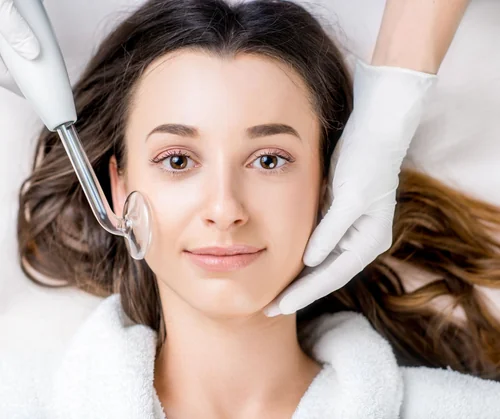
Finding the Most Effective Facial Treatment for You
The best facial treatment depends entirely on your individual skin type, specific concerns, and goals rather than a single option being universally superior. Professional facials work by addressing skin needs through various mechanisms including deep cleansing and exfoliation, stimulating collagen production, delivering concentrated active ingredients, improving circulation and cellular function, and providing targeted solutions for specific problems. Understanding how different treatments work helps you make informed decisions about which facial will deliver the results you're seeking.
Why There's No One "Best" Facial
Despite what marketing claims might suggest, no single facial treatment is objectively best for everyone because skin varies dramatically between individuals. What works beautifully for someone with oily, acne-prone skin might be completely wrong for someone dealing with dry, sensitive aging skin. The most effective approach involves matching treatment mechanisms to your specific concerns, considering your skin's tolerance and sensitivity level, and factoring in practical considerations like budget and downtime availability.
Professional vs. At-Home Treatments
Professional facial treatments consistently deliver superior results compared to at-home alternatives because they use medical-grade products with higher concentrations of active ingredients, employ specialized equipment and techniques not available for consumer purchase, and are customized and performed by trained estheticians who understand skin biology. According to the American Academy of Dermatology, professional treatments combined with quality home care produce optimal skin health outcomes.
Setting Realistic Expectations
Understanding what facial treatments can realistically accomplish helps you appreciate their genuine benefits while avoiding disappointment from unrealistic promises. Professional facials excel at improving skin texture, tone, and clarity, managing chronic concerns like acne or rosacea, slowing visible aging progression, and maintaining results from more aggressive procedures. However, they cannot replicate surgical results for severe sagging, completely eliminate deep wrinkles overnight, or cure underlying medical skin conditions that require dermatological treatment.
HydraFacial: Best for Overall Skin Health
Multi-Step Vortex Technology
HydraFacial has become one of the most popular facial treatments globally because it addresses multiple skin concerns simultaneously through a unique patented delivery system. The treatment works in stages: first cleansing and exfoliating with gentle acids and vortex suction, then extracting impurities from pores without manual squeezing, and finally infusing skin with customized serums containing antioxidants, peptides, and hyaluronic acid. This comprehensive approach makes it suitable for nearly all skin types and concerns.
Customizable Booster Options
What elevates HydraFacial above basic facials is the ability to customize each treatment with targeted boosters addressing specific needs. Growth factor serums accelerate cell renewal and collagen production, vitamin C and alpha arbutin target hyperpigmentation and sun damage, peptide solutions improve firmness and reduce wrinkle depth, and specialized formulations address concerns from congestion to dehydration. Your provider selects boosters based on your skin assessment each session.
Immediate Results Without Downtime
One of HydraFacial's biggest advantages is delivering instant visible improvements with zero recovery time required. Immediately after treatment, your skin appears plumper, more radiant, and hydrated with temporary softening of fine lines. You can apply makeup right away and return to normal activities without the redness or peeling that more aggressive treatments cause. This makes it perfect for pre-event prep or for people who can't afford downtime.
Who Benefits Most
HydraFacial works exceptionally well for people seeking overall skin improvement rather than targeting one specific issue, those with sensitive skin that can't tolerate aggressive treatments, anyone wanting results without visible downtime, and patients maintaining skin health between more intensive procedures. It's less ideal for severe acne requiring medical intervention or deep wrinkles needing more aggressive modalities.
Chemical Peels: Best Professional Facial for Resurfacing
How Chemical Exfoliation Works
Chemical peels use controlled application of acids to dissolve bonds between dead skin cells, causing outer skin layers to peel away and reveal fresh skin underneath. This process accelerates cell turnover, stimulates collagen production, fades hyperpigmentation and sun damage, smooths texture and reduces fine lines, and unclogs pores to prevent acne. The depth of penetration depends on the specific acids used and their concentrations.
Light Peels for Maintenance
Light chemical peels using alpha hydroxy acids (glycolic, lactic) or beta hydroxy acids (salicylic) provide gentle exfoliation with minimal downtime. These superficial peels brighten dull complexions, improve product absorption for your home routine, address mild acne and congestion, and can be performed every 2-4 weeks for cumulative benefits. Most people experience only mild flaking for 2-3 days rather than dramatic peeling.
Medium Peels for Significant Concerns
Medium-depth peels using trichloroacetic acid (TCA) or combination formulations penetrate deeper to address moderate wrinkles and sun damage, more stubborn hyperpigmentation and age spots, acne scarring and uneven texture, and visible aging signs. These require 5-7 days of obvious peeling and recovery but deliver more dramatic results than light peels. Most providers recommend a series of 3-6 treatments spaced 4-6 weeks apart.
Deep Peels for Dramatic Transformation
Deep chemical peels like phenol peels dramatically resurface skin but involve significant downtime, risks, and typically require medical supervision. These aggressive treatments can reduce deep wrinkles substantially, remove severe sun damage and precancerous lesions, and create dramatic skin tightening effects. Recovery takes 2-3 weeks with strict sun avoidance for months afterward. Deep peels are usually performed by dermatologists or plastic surgeons rather than estheticians.
Choosing the right peel depth:
- Skin concern severity. Mild issues respond well to light peels while significant damage requires medium or deep peels for noticeable improvement. Your esthetician assesses whether superficial treatment will suffice or if you need referral to a medical provider.
- Downtime tolerance. Light peels fit easily into busy schedules with minimal visible effects, while medium peels require planning around social and professional obligations. Deep peels demand extended recovery time most people can't accommodate casually.
- Skin type and sensitivity. Fair, non-sensitive skin tolerates peels better than dark or reactive skin which faces higher complication risks. Proper assessment prevents adverse reactions like hyperpigmentation or scarring.
Microneedling: Best Facial for Collagen Stimulation
Controlled Micro-Injury Technology
Microneedling uses a device with fine needles to create thousands of microscopic channels in your skin, triggering your body's natural wound-healing response. This controlled injury stimulates robust collagen and elastin production, enhances absorption of topical products applied during treatment, improves blood flow and nutrient delivery to skin cells, and works safely on all skin tones without pigmentation risks. The American Society for Dermatologic Surgery recognizes microneedling as an effective treatment for various skin concerns.
Collagen Induction Benefits
The real magic of microneedling happens in the months following treatment as fresh collagen develops and matures. This process reduces the appearance of fine lines and wrinkles, improves skin firmness and elasticity, softens acne scars and other textural irregularities, and refines enlarged pores for smoother-looking skin. Most people need 3-6 sessions spaced 4-6 weeks apart for optimal collagen building.
Treatment Process and Recovery
During microneedling, your provider applies numbing cream for 30-45 minutes before treatment to minimize discomfort. The actual needling takes 15-30 minutes depending on treatment area size. Immediately after, your skin looks red and flushed similar to moderate sunburn, with some minor pinpoint bleeding possible. This redness typically fades within 24-48 hours, and most people can wear makeup after 24 hours once initial healing occurs.
Combining with Serums and PRP
Microneedling's effectiveness increases when combined with growth factors or platelet-rich plasma (PRP) applied during treatment. The microchannels allow these powerful ingredients to penetrate far deeper than possible through intact skin. PRP derived from your own blood is particularly popular for anti-aging, providing concentrated growth factors that amplify collagen production and healing.
LED Light Therapy: Best Gentle Facial Treatment
How Light Wavelengths Affect Skin
LED facial treatments use specific wavelengths of visible light to trigger beneficial cellular responses without heat or damage. Red light (630-660nm) penetrates deepest to stimulate collagen production and reduce inflammation, blue light (415-445nm) targets acne-causing bacteria near the surface, yellow light (590nm) reduces redness and promotes lymphatic drainage, and green light (525nm) addresses hyperpigmentation and uneven tone.
Red Light Anti-Aging Effects
Red LED therapy is particularly effective for anti-aging because it energizes mitochondria in skin cells, giving them extra power to produce collagen and repair damage. This gentle approach reduces fine lines and wrinkles gradually, improves skin firmness and elasticity, enhances overall radiance and skin quality, and accelerates healing from other treatments. Results develop cumulatively over weeks of consistent sessions.
Blue Light Acne Management
Blue LED light offers an effective, non-invasive option for managing acne by killing P. acnes bacteria living in pores, reducing inflammation and redness from breakouts, regulating sebum production, and preventing new acne from forming. It works well for mild to moderate acne and is often combined with red light for comprehensive treatment addressing both bacteria and inflammation.
Treatment Frequency and Expectations
LED therapy requires consistent treatments to deliver visible results, typically 2-3 sessions weekly for 4-8 weeks initially, followed by maintenance sessions every 2-4 weeks. Each session lasts 15-30 minutes and is completely painless, involving simply relaxing under the lights. While more gentle than aggressive treatments, LED provides real benefits for the right concerns when performed regularly.
Best Facial Treatment for Glowing Skin
Oxygen Facials for Instant Radiance
Oxygen facials deliver pressurized oxygen along with concentrated serums to create immediate plumping and luminosity. This treatment hydrates skin intensely for instant glow, temporarily softens fine lines through moisture infusion, enhances circulation for healthy flush, and provides perfect pre-event results. While effects are more temporary than collagen-building treatments, oxygen facials create undeniable radiance.
Vitamin C Treatments
Facials featuring professional-strength vitamin C serums brighten skin through multiple mechanisms including inhibiting melanin production to fade dark spots, providing powerful antioxidant protection, stimulating collagen synthesis, and evening skin tone for radiant complexion. Vitamin C works well for all skin types seeking luminosity and anti-aging benefits.
Exfoliation for Brightness
Regular exfoliation removes the layer of dead cells that makes skin look dull and tired, revealing the brighter, fresher skin underneath. Enzyme facials using fruit-derived enzymes gently dissolve dead cells, microdermabrasion physically polishes skin's surface, and light chemical peels accelerate turnover. Consistent exfoliation maintains ongoing radiance.
Hydration Treatments
Deeply hydrated skin naturally appears more glowing and youthful than dehydrated skin. Hyaluronic acid facials deliver intense moisture that plumps skin, facial massage increases circulation and lymphatic drainage, and specialized masks infuse hydration while you relax. These treatments work beautifully for anyone seeking healthy, luminous skin.
Choosing the Best Facial for Your Skin Type
Oily and Acne-Prone Skin
If you have oily, congested skin prone to breakouts, the best facial treatments focus on deep cleansing without stripping, controlling excess sebum production, killing acne-causing bacteria, and preventing clogged pores. Salicylic acid facials and peels penetrate oil-filled pores effectively, LED therapy using blue light kills bacteria, and acne facials with professional extractions remove stubborn blackheads and whiteheads safely.
Dry and Sensitive Skin
Dry, sensitive skin requires gentle treatments that hydrate and strengthen rather than aggravate. HydraFacial provides thorough cleansing without irritation, oxygen facials deliver intense moisture, enzyme peels exfoliate gently without acids, and LED therapy soothes inflammation while building collagen. Avoid harsh physical exfoliation or strong chemical peels that could compromise your already-delicate skin barrier.
Combination Skin
Combination skin with an oily T-zone but dry cheeks benefits from customized facials addressing different zones appropriately. Skilled estheticians apply products strategically rather than uniformly, using clarifying treatments on congested areas and hydrating products on dry zones. HydraFacial works particularly well for combination skin through its customizable approach.
Mature and Aging Skin
Aging skin benefits from treatments stimulating collagen production, providing deep hydration, and addressing accumulated sun damage. Microneedling builds structural proteins for firmness, chemical peels resurface and renew, LED therapy gently stimulates collagen, and specialized anti-aging facials combine multiple modalities. Consistency matters more than intensity for mature skin requiring careful handling.
Skin type matching strategies:
- Professional skin analysis. Rather than self-diagnosing, have a qualified esthetician assess your skin type, concerns, and sensitivity level. They identify issues you might miss and recommend appropriate treatments avoiding contraindications.
- Start gentle, increase gradually. Begin with less aggressive treatments to gauge your skin's tolerance before progressing to stronger modalities. This prevents adverse reactions while building your skin's resilience.
- Customize based on current condition. Your ideal facial may change seasonally or based on stress, hormones, or health factors. Flexible treatment plans adapt to your skin's current needs rather than following rigid protocols.
How Often to Get the Best Facial Treatment
Initial Treatment Series
Most effective facial treatments require a series of sessions to establish visible, lasting improvements. Depending on the specific treatment, this might mean weekly sessions for 4-6 weeks (LED therapy or light peels), bi-weekly to monthly sessions for 3-6 months (HydraFacial or moderate treatments), or sessions spaced 4-8 weeks apart (microneedling or medium chemical peels). This intensive initial phase creates a foundation of healthier skin.
Maintenance Schedules
Once you've achieved desired results, maintenance facials preserve improvements long-term. For most people, monthly treatments match skin's natural 28-40 day cell turnover cycle, providing consistent support for skin health. Some gentle treatments like HydraFacial or classic facials can be done more frequently, while aggressive treatments like deep peels happen only annually or less.
Rotating Different Treatments
Many people achieve best results by strategically rotating between different facial types rather than always doing the same treatment. You might alternate HydraFacial monthly with LED therapy, follow a series of chemical peels with gentle maintenance facials, or combine microneedling sessions with hydrating treatments between. This varied approach addresses multiple concerns while preventing over-treatment.
Listening to Your Skin
The ideal facial frequency depends on how your individual skin responds to treatment, your budget and schedule constraints, seasonal factors affecting your skin, and whether you're maintaining results or actively improving concerns. Work with your esthetician to develop a realistic schedule you can sustain long-term rather than an intensive plan you'll abandon.
Are Expensive Facials Worth It
Price vs. Value Considerations
Facial treatment costs vary dramatically from $50 budget options to $500+ luxury experiences, raising questions about whether higher prices deliver proportionally better results. According to the American Society of Plastic Surgeons, treatment effectiveness depends more on the specific modality and provider skill than price point alone. However, expensive facials often include superior products with higher active ingredient concentrations, advanced technology and equipment, longer treatment times allowing thorough technique, and more experienced, highly trained providers.
What Drives Facial Pricing
Understanding cost factors helps you evaluate whether premium pricing makes sense. Medical-grade products cost significantly more than consumer alternatives, specialized equipment like LED panels or microneedling devices represents major investment, provider credentials and experience command higher fees, and prime locations in upscale areas inflate overhead costs. Additionally, luxury amenities and ambiance contribute to pricing without necessarily improving clinical results.
When Budget Options Work
Less expensive facials can deliver good results for basic maintenance and skin health, gentle concerns not requiring aggressive treatment, learning whether professional facials benefit you before investing heavily, and supplementing higher-end treatments with basic maintenance sessions. A skilled esthetician using quality products at moderate pricing often outperforms an inexperienced technician at a luxury spa.
When to Invest in Premium
Premium pricing typically makes sense for advanced treatments requiring specialized skills or equipment, medical-grade procedures performed by licensed professionals, addressing significant concerns demanding superior products, and accessing experienced providers with proven track records. For serious skin issues or anti-aging goals, investing in quality treatment from qualified providers delivers better value than cheaper alternatives producing minimal results.
Combining Facials with Other Treatments
Layering Professional Services
The most comprehensive skin improvements often come from strategically combining different professional treatments rather than relying solely on facials. Many people pair facials with cosmetic injectables like Botox or fillers addressing concerns facials cannot, laser treatments for more aggressive resurfacing or hair removal, and at-home device use extending professional treatment benefits.
Timing Between Treatments
When combining multiple professional services, proper timing prevents complications and optimizes results. Space aggressive treatments like peels or microneedling at least 2-4 weeks apart, schedule injectables separately from facials to avoid pressure on treatment sites, and allow adequate healing from lasers before resuming regular facials. Your providers should coordinate to create safe, effective treatment schedules.
Building Comprehensive Plans
The best results typically come from comprehensive skincare plans developed with professional guidance. These might include monthly maintenance facials for ongoing skin health, quarterly intensive treatments addressing specific concerns, annual aggressive procedures for significant improvement, and consistent home care with medical-grade products. Viewing facials as part of broader skincare strategy rather than isolated treatments maximizes their effectiveness.