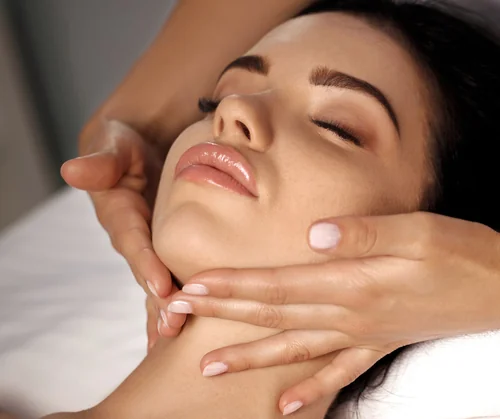
Finding the Right Facial Treatment for Your Acne
The best facial treatment for acne depends on your specific acne type, severity, and whether you're dealing with active breakouts or managing acne-prone skin long-term. Professional facials designed for acne work by deep-cleaning clogged pores, removing excess oil and dead skin cells, reducing inflammation, and killing acne-causing bacteria through specialized products and techniques. While facials can't cure acne, they're highly effective for managing breakouts, preventing new ones from forming, and improving overall skin health when combined with a consistent at-home routine.
Understanding Acne-Prone Skin
Acne develops when hair follicles become clogged with oil (sebum) and dead skin cells, creating an environment where acne-causing bacteria (P. acnes) can thrive. This leads to inflammation and the formation of various blemishes including blackheads, whiteheads, papules, pustules, and in severe cases, painful cystic lesions. Factors contributing to acne include hormonal fluctuations, genetics, stress, diet, and inadequate skincare, which is why effective treatment often requires a multifaceted approach.
Why Professional Facials Help Acne
Professional acne facial treatments go beyond what you can achieve at home by using medical-grade products, specialized equipment, and expert extraction techniques tailored to your skin type. Estheticians can safely remove stubborn blackheads and whiteheads without causing scarring, apply professional-strength treatments that penetrate deeper than over-the-counter products, and identify which ingredients and techniques work best for your individual skin concerns.
Managing Expectations with Acne Facials
It's crucial to understand that facials manage acne rather than cure it, meaning you'll need consistent treatments to maintain clear skin since acne returns when underlying causes persist. Most people see improvements after their first facial, but optimal results develop through regular sessions every 4-6 weeks combined with proper home care. Severe acne often requires medical intervention including prescription medications alongside professional facial treatments for best outcomes.
Best Facial for Hormonal Acne
Deep Cleansing and Extraction Facials
Hormonal acne typically manifests as deep, painful cysts along the jawline, chin, and lower face, appearing or worsening during menstruation, pregnancy, menopause, or when starting or stopping birth control. The best facials for hormonal acne focus on deep cleansing to prevent clogged pores, gentle extractions of blackheads and whiteheads, anti-inflammatory treatments to calm existing cysts, and products that help regulate oil production. These facials work best when combined with hormonal treatments like spironolactone or birth control prescribed by a dermatologist.
Treatments Incorporating Salicylic Acid
Salicylic acid is particularly effective for hormonal acne because it penetrates oil-filled pores to dissolve the debris causing blockages, reduces inflammation and redness, prevents new breakouts from forming, and helps fade post-inflammatory hyperpigmentation left by previous acne. Professional facials often incorporate higher concentrations of salicylic acid than available in retail products, delivering more powerful results with proper application and neutralization.
Anti-Inflammatory Approaches
Since hormonal acne involves significant inflammation, the best facials incorporate calming ingredients like niacinamide to reduce redness and strengthen skin barrier, green tea extract for antioxidant and anti-inflammatory benefits, azelaic acid to target bacteria while reducing inflammation, and cooling masks to soothe angry, inflamed cysts. These treatments help manage the painful, swollen nature of hormonal breakouts.
Key considerations for hormonal acne facials:
- Gentle extraction techniques. Hormonal cysts shouldn't be aggressively extracted as they're too deep and attempting to do so can cause scarring and worsen inflammation. Instead, estheticians focus on surface blackheads and whiteheads while applying spot treatments to deeper lesions.
- Consistency is crucial. Hormonal acne responds best to regular monthly facials timed with your cycle, ideally scheduled for the week after menstruation when skin is least reactive and breakouts have calmed.
- Medical support often needed. Severe hormonal acne typically requires prescription treatments from a dermatologist alongside facials for optimal control. Facials alone may not adequately manage deeply rooted hormonal breakouts without systemic medication.
Best Professional Facial for Active Acne
HydraFacial for Acne-Prone Skin
HydraFacial is one of the most popular and dermatologist-recommended treatments for managing active acne because it combines cleansing, exfoliation, extraction, and hydration in one gentle yet effective procedure. The treatment uses a vortex suction tip to painlessly remove blackheads and whiteheads, delivers salicylic and glycolic acid to unclog pores, infuses skin with antibacterial and hydrating serums, and causes minimal irritation even on inflamed, sensitive skin.
LED Light Therapy Facials
LED facial treatments use specific wavelengths of light to target acne at the cellular level without irritation or downtime. Blue LED light (415-445nm) kills P. acnes bacteria living in pores, reduces inflammation and redness from active breakouts, helps regulate sebum production, and prevents new acne from forming. Red LED light (630-660nm) calms inflammation, promotes healing and skin repair, and can be combined with blue light for comprehensive acne management.
Chemical Peel Facials
Chemical peels work exceptionally well for acne by using acids to exfoliate dead skin cells, unclog pores, reduce oil production, kill bacteria, and improve acne scarring over time. Common peels for acne include salicylic acid peels (oil-soluble, penetrates pores deeply), glycolic acid peels (water-soluble, exfoliates surface), and combination peels targeting multiple concerns simultaneously. The strength and type of peel depends on your acne severity and skin sensitivity.
Decongesting and Purifying Facials
These specialized acne facials focus specifically on deep-cleaning congested pores through thorough double cleansing, steam to open pores and soften debris, manual extractions of blackheads and whiteheads, antibacterial masks to kill acne-causing bacteria, and high-frequency treatment to oxygenate skin and prevent future breakouts. They're ideal for people with persistently clogged pores and frequent mild to moderate acne.
Facial Treatments for Different Acne Types
Mild Acne (Blackheads and Whiteheads)
Mild acne characterized by occasional blackheads, whiteheads, and small pimples responds beautifully to classic facials that include gentle exfoliation to prevent pore clogging, extractions to remove existing comedones, light chemical exfoliants like lactic or mandelic acid, and hydrating treatments to balance skin. These facials work preventatively to keep pores clear and skin healthy.
Moderate Acne (Papules and Pustules)
Moderate acne involving inflamed red bumps (papules) and pus-filled lesions (pustules) requires more targeted treatment including stronger exfoliants like salicylic acid, antibacterial ingredients such as benzoyl peroxide or tea tree oil, careful extraction of surface lesions only, and anti-inflammatory masks to calm redness and swelling. Treatment frequency increases to every 3-4 weeks for consistent management.
Severe or Cystic Acne
Severe acne with deep, painful cysts requires medical supervision before pursuing facial treatments, as aggressive facials can worsen inflammation and cause scarring. Once under dermatological care with prescription medications, gentle supportive facials focusing on hydration and barrier repair, LED therapy to reduce inflammation, gentle enzyme exfoliation rather than aggressive acids, and soothing treatments without extraction of cysts can complement medical treatment.
Acne type and best facial matches:
- Comedonal acne (blackheads/whiteheads). Microdermabrasion facials, decongesting facials with extractions, salicylic acid treatments, HydraFacial for gentle yet thorough cleaning. Works well with regular monthly treatments.
- Inflammatory acne (red, swollen pimples). LED light therapy combining blue and red wavelengths, gentle chemical peels with anti-inflammatory ingredients, hydrating facials that calm rather than aggravate, treatments avoiding harsh physical manipulation. Requires professional assessment.
- Combination acne (multiple types). Customized facials addressing each concern with different products and techniques, rotating between exfoliating and calming treatments, combining modalities like HydraFacial plus LED therapy. Most common presentation requiring tailored approach.
Are Facials Good for Acne Prone Skin
Benefits of Regular Acne Facials
Regular professional facials offer significant benefits for acne-prone skin including preventing clogged pores before they become breakouts, safely removing stubborn blackheads and whiteheads, reducing inflammation and calming active acne, improving skin texture and reducing scarring over time, and teaching proper home care techniques. The key is choosing facials specifically designed for acne rather than generic luxury spa treatments.
Deep Pore Cleansing Advantages
Professional deep cleansing removes buildup that daily washing can't address, including sebum hardened deep in pores, dead skin cells trapped beneath the surface, environmental pollutants and debris, and bacteria colonies contributing to breakouts. This thorough cleaning creates a fresh foundation for your at-home products to work more effectively.
Professional Product Penetration
Estheticians use professional-grade products with higher concentrations of active ingredients than retail formulas, applied in precise sequences for maximum effectiveness, with proper pH levels and delivery systems, and customized to your individual skin response. These medical-grade formulations penetrate deeper and deliver faster results than consumer products.
When Facials Might Worsen Acne
Certain facial approaches can temporarily worsen acne or cause new breakouts, particularly overly aggressive extractions causing trauma and inflammation, using comedogenic oils or heavy moisturizers, applying harsh exfoliants that strip the skin barrier, or treating severe cystic acne without medical clearance. This is why consulting experienced, properly trained estheticians matters immensely.
How Often Should You Get a Facial for Acne
Initial Treatment Phase
When starting facial treatments for acne, most estheticians recommend beginning with sessions every 2-4 weeks for the first 2-3 months to establish control over breakouts. This frequent schedule allows cumulative benefits to develop, prevents new acne from forming while treating existing breakouts, gives your skin time to adjust to professional treatments, and helps your esthetician refine the approach based on your skin's response.
Maintenance Schedule
Once your acne is under better control, you can typically reduce frequency to monthly facials (every 4-6 weeks) to maintain clear skin. This matches your skin's natural cell turnover cycle of approximately 28-40 days, prevents pore congestion from building up, and allows periodic professional evaluation and adjustment of your home care routine. Some people with milder concerns maintain results with facials every 6-8 weeks.
Factors Affecting Frequency
How often you need acne facials depends on your acne severity (more severe requires more frequent treatment), hormonal fluctuations (monthly facials timed with cycle for hormonal acne), stress levels and lifestyle factors, quality of your at-home skincare routine, and whether you're using at-home devices or treatments between sessions. Your esthetician will adjust frequency based on your progress.
Combining with Medical Treatment
If you're under dermatological care for acne with prescription medications like tretinoin, benzoyl peroxide, or oral antibiotics, coordinate your facial schedule with your treatment plan. Some medications make skin more sensitive and require gentler facials or modified timing, while others work synergistically with professional treatments for enhanced results.
Can Facials Make Acne Worse
The Purging Phase
Some people experience a temporary worsening of breakouts called "purging" in the first 1-2 weeks after starting acne facials. This happens because exfoliating treatments accelerate skin cell turnover, bringing existing clogged pores to the surface faster, clearing out congestion that would have eventually become breakouts, and revealing underlying acne that hadn't yet surfaced. Purging is temporary and actually indicates the treatment is working.
True Negative Reactions
Genuine worsening of acne from facials occurs when using comedogenic products unsuited for acne-prone skin, applying too-aggressive treatments causing barrier damage and inflammation, cross-contaminating skin with unclean tools or hands during extractions, or selecting inappropriate treatments for your acne type and severity. These issues stem from poor technique or product selection rather than facials being inherently problematic.
Differentiating Purging from Breakouts
Purging appears in areas where you typically break out, resolves within 2-4 weeks, and consists of lesions coming to the surface faster than normal. New breakouts from bad reactions appear in unusual areas where you don't normally have acne, persist beyond 4 weeks, and may involve increased inflammation or new types of blemishes. If you're unsure which you're experiencing, consult your esthetician or dermatologist.
Minimizing Risks
Reduce the risk of negative reactions by choosing licensed, experienced estheticians specializing in acne, communicating clearly about your skin's sensitivities and current products, starting with gentler treatments and building intensity gradually, and following all post-facial care instructions including sun protection. Patch testing new products and avoiding facials during skin sensitivity periods also helps.
Facial Treatment Options for Adult Acne
Addressing Mature Skin Concerns
Adult acne often coincides with aging concerns like fine lines, loss of firmness, and sun damage, requiring treatments that address both issues simultaneously. The best facials for adult acne incorporate gentle retinol or bakuchiol for cell turnover without irritation, peptides and antioxidants supporting collagen while calming acne, hydrating treatments preventing moisture loss common in mature skin, and products that treat acne without over-drying or exacerbating aging signs.
Hormonal Component Management
Adult acne is frequently driven by hormonal imbalances from perimenopause, menopause, stress, or thyroid issues rather than the excess oil production seen in teenage acne. Effective facial treatments for adult hormonal acne focus on balancing rather than stripping skin, anti-inflammatory ingredients calming chronic inflammation, barrier-supporting treatments since mature skin is more prone to sensitivity, and gentler approaches respecting skin that's both breaking out and aging.
Preventing Acne Scarring
Adults face higher risk of acne scarring because mature skin heals more slowly and produces less collagen, making careful treatment selection crucial. Facials incorporating gentle microneedling to stimulate collagen for scar improvement, vitamin C treatments promoting healing and evening tone, LED therapy accelerating recovery and reducing inflammation, and avoiding aggressive extractions that could cause lasting marks help prevent and improve scarring.
Understanding facial treatments for aging skin helps you find options that address both acne and anti-aging concerns simultaneously.
Choosing the Best Acne Facial for You
Professional Consultation Importance
Never book an acne facial without first having a thorough consultation where the esthetician examines your skin, asks about your current routine and any medications, discusses your acne history and triggers, and recommends specific treatments based on your individual presentation. A good esthetician will refuse to perform treatments unsuitable for your skin type or acne severity, referring you to a dermatologist when necessary.
Questions to Ask Your Provider
Before committing to acne facial treatments, ask what experience they have specifically treating acne-prone skin, which products and techniques they use for acne, how they customize treatments for different acne types, what results you should realistically expect and when, and what their protocol is if your skin reacts poorly. Their answers reveal their expertise and whether they're a good fit.
Combining Home and Professional Care
Professional facials deliver best results when combined with appropriate daily skincare including gentle cleanser that doesn't strip your skin, treatment products with acne-fighting ingredients, lightweight, non-comedogenic moisturizer, and daily broad-spectrum SPF 30+ sunscreen. Your esthetician should recommend or provide specific products complementing your professional treatments.
When to See a Dermatologist Instead
Some acne requires medical intervention before or instead of facials, particularly severe cystic or nodular acne causing pain or scarring, acne not responding to over-the-counter treatments or facials after 2-3 months, sudden onset of severe acne suggesting hormonal or medical issues, or acne covering large body areas beyond what facials can address. Dermatologists can prescribe oral and topical medications that tackle acne's root causes.
Exploring the best facial treatment options available helps you understand the full range of choices beyond acne-specific facials.