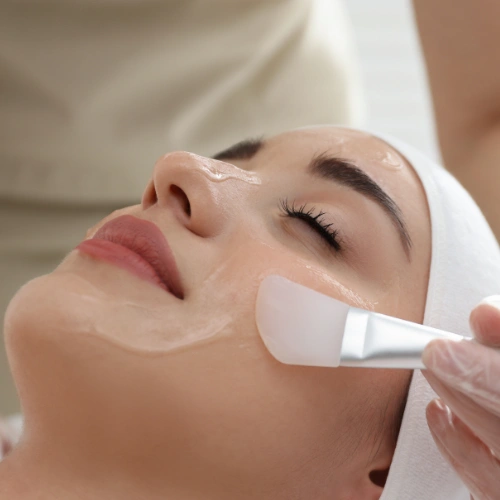
What is Chemical peel?
Chemical peels are categorized by depth: superficial, medium, and deep. Superficial peels use alpha-hydroxy acids (AHAs) like glycolic or lactic acid, or beta-hydroxy acids (BHAs) like salicylic acid, to gently exfoliate the outermost skin layer. These are the most common clinic peels and carry minimal downtime. Medium-depth peels use trichloroacetic acid (TCA) at higher concentrations to reach deeper into the skin, producing more significant renewal with several days of peeling and redness. Deep peels, such as phenol-based peels, are the most intensive and are performed by physicians for dramatic resurfacing; they require extended downtime and careful aftercare. Most clinic peels in Canada fall into the superficial to medium range.
What chemical peels can help with
- ✓ Smoothing rough or uneven skin texture
- ✓ Brightening dull, tired-looking skin and improving overall radiance
- ✓ Reducing the appearance of hyperpigmentation, sun spots, and post-acne marks
- ✓ Clearing congested pores and improving acne-prone skin (particularly salicylic acid peels)
- ✓ Softening the appearance of fine lines and early signs of aging
- ✓ Evening out skin tone and improving clarity over a series of treatments
What to expect during your chemical peel appointment
Appointments typically run 20 to 45 minutes. Your provider cleanses the skin and applies the peel solution evenly across the treatment area. Superficial peels produce mild tingling or warmth that fades quickly once the solution is neutralized or removed. Medium-depth peels feel more active, with noticeable stinging or heat during application, and leave skin visibly pink and tight afterward. You should stop using retinoids and exfoliating acids for several days before your appointment, and avoid sun exposure in the days leading up to treatment. Afterward, skin may feel tight and appear slightly flushed. Medium peels typically produce visible flaking and peeling over three to seven days as the skin sheds and renews.
What results can you expect with chemical peels?
Superficial peels deliver an immediate improvement in glow and texture that builds cumulatively over a series of sessions. Medium-depth peels produce more noticeable changes: once the peeling phase resolves, skin typically looks noticeably smoother, more even, and refreshed. Results depend heavily on the peel type, the concern being treated, and how consistently treatments are scheduled. Hyperpigmentation and post-acne marks typically require multiple sessions to see significant fading. Fine lines respond well to medium-depth peels but may need to be combined with other treatments like microneedling or injectables for deeper concerns.
How long chemical peel results last
Superficial peel results typically last three to five weeks before the skin returns to its baseline. Most people schedule them every four to six weeks as part of an ongoing maintenance routine. Medium-depth peel results are longer-lasting, often remaining visible for several months, though the skin continues to age and accumulate damage over time. Consistent sun protection is the single most important factor in extending results, as UV exposure is the leading driver of the pigmentation, texture, and tone issues that peels address.
Who's a good fit for chemical peels?
Chemical peels suit a wide range of skin types and concerns, from mild texture and dullness to more significant pigmentation, acne, and early aging. The right peel depth and acid type depend on your skin tone, concern, and tolerance for downtime. People with deeper skin tones should work with an experienced provider who understands the risk of post-inflammatory hyperpigmentation with stronger peels; superficial peels with lactic or mandelic acid are generally safer starting points. Peels are not recommended on actively sunburned or compromised skin, during pregnancy, or for people using isotretinoin (Accutane). Anyone using retinoids should pause them several days before treatment.
Alternatives to chemical peels?
- Microdermabrasion: mechanical exfoliation using a diamond-tip or crystal device; gentler than medium peels and better for sensitive skin, with less impact on pigmentation
- HydraFacial: combines cleansing, exfoliation, and serum infusion in one device-based treatment; no peeling, suitable for sensitive skin and regular maintenance
- Dermaplaning: physical exfoliation using a scalpel to remove dead skin and peach fuzz; can be combined with a light peel for enhanced results
- Microneedling: creates micro-channels in the skin to stimulate collagen; better than peels for texture, scarring, and firmness concerns
- Laser resurfacing (Fraxel, CO2): more aggressive resurfacing option for deeper pigmentation, scarring, and significant texture; more downtime than most peels but more dramatic results
Common chemical peel questions
How does a chemical peel work? + -
Does a chemical peel hurt? + -
Will my skin peel after a chemical peel? + -
How soon will I see results from a chemical peel? + -
Is there downtime after a chemical peel? + -
How often should I get chemical peels? + -
Can chemical peels be combined with other treatments? + -
What should I avoid after a chemical peel? + -
Featured clinics
Top-rated providers offering chemical peels.
Inovo Medical
Toronto, ON
INoVO Medical offers a revolutionary approach to medicine and medical aesthetics through the introduction of new technologies and sophisticated techniques. We are among the first to introduce regenerative medicine technology in Canada and one of the only clinics in the greater Ottawa area to offer regenerative medicine for pain relief, sexual wellness and cosmetic treatments.
Canada MedLaser Toronto (Midtown)
Toronto, ON
Canada MedLaser is the leading medical aesthetic clinic in the GTA, where our client’s aesthetic goals and results are our top priority.