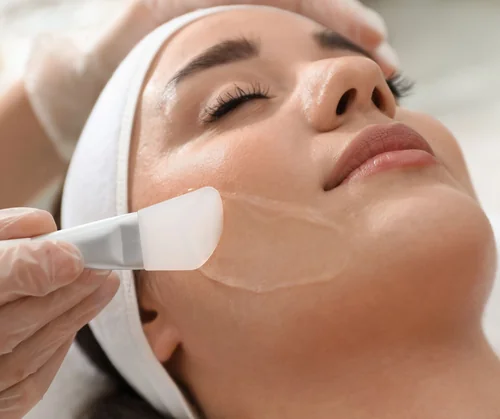
How Chemical Peels Work for Hyperpigmentation
Chemical peels treat hyperpigmentation by exfoliating damaged skin layers where excess melanin has accumulated. The acids in the peel solution break down the bonds between pigmented cells, allowing them to shed and reveal fresher, more evenly toned skin underneath. Different from topical creams that sit on the surface, peels penetrate into the epidermis to target pigment at its source.
The treatment addresses hyperpigmentation in two ways. First, it removes existing dark spots by sloughing off pigmented cells during the peeling process. Second, the controlled injury stimulates cell turnover and helps regulate melanin production, which can prevent new spots from forming as your skin heals.
What chemical peels can improve:
- Sun spots and age spots from UV damage
- Melasma and hormonal pigmentation
- Post-inflammatory hyperpigmentation from acne or injuries
- Uneven skin tone and patchy discoloration
- General dullness from accumulated surface damage
However, not all hyperpigmentation responds equally to peels. Epidermal pigmentation (in the top skin layers) responds best, while dermal pigmentation (deeper in the skin) is harder to treat and may require more intensive approaches. This information should help you understand the process, but shouldn't replace a consultation with a provider experienced in treating hyperpigmentation for your skin type.
Best Chemical Peel Types for Pigmentation
Glycolic acid peels (light to medium):
Glycolic acid is the most commonly used peel for hyperpigmentation. This alpha hydroxy acid (AHA) derived from sugar cane penetrates effectively to target melanin while improving overall texture. Concentrations typically range from 30-70% for professional treatments.
Best for:
- Mild to moderate sun damage and age spots
- Post-acne hyperpigmentation
- General uneven tone and dullness
- First-time peel patients
Glycolic peels work well for most skin types when performed correctly, though people with darker skin need careful concentration selection and pre-treatment preparation.
TCA peels (medium to deep):
Trichloroacetic acid (TCA) peels are among the strongest options for stubborn hyperpigmentation. They penetrate deeper than glycolic acid to address pigmentation in multiple skin layers. Concentrations range from 15% (superficial) to 35%+ (medium depth).
Best for:
- Stubborn sun damage and deep age spots
- Melasma that hasn't responded to lighter treatments
- Severe post-inflammatory hyperpigmentation
- Pigmentation affecting deeper skin layers
TCA peels deliver more dramatic results but require more recovery time and carry higher risks, especially for darker skin tones. Learn about deep vs light peel differences.
Mandelic acid peels (light):
Mandelic acid has the largest molecular size among AHAs, which means it penetrates more slowly and gently. This makes it ideal for sensitive skin and darker skin tones that are prone to post-inflammatory hyperpigmentation.
Best for:
- Sensitive skin with hyperpigmentation
- Darker skin tones (Fitzpatrick IV-VI)
- Mild pigmentation issues
- First-time peel patients with reactive skin
Mandelic acid also has anti-inflammatory properties that help prevent the inflammation that can trigger more pigmentation.
Salicylic acid peels (light to medium):
Salicylic acid is a beta hydroxy acid (BHA) that's oil-soluble, allowing it to penetrate pores effectively. It works especially well for post-acne hyperpigmentation.
Best for:
- Post-acne dark marks and scarring
- Pigmentation combined with active acne
- Oily or acne-prone skin with discoloration
Salicylic peels reduce inflammation that can worsen pigmentation while treating the underlying acne causing dark marks. See how peels work specifically for acne.
Combination peels:
Many providers use combination peels that blend multiple acids for enhanced results. Popular options include:
- Jessner's solution (resorcinol, salicylic acid, lactic acid)
- VI Peel (TCA, salicylic acid, retinoic acid, vitamin C)
- Custom blends tailored to your specific needs
These combinations often work better than single-acid peels by targeting pigmentation through multiple mechanisms.
Does Chemical Peel Help Hyperpigmentation? The Evidence
Yes, chemical peels effectively help hyperpigmentation when the right type is matched to your skin. Research shows that properly selected peels can significantly improve various forms of hyperpigmentation with appropriate pre-treatment and aftercare.
Expected improvement rates:
- Mild hyperpigmentation: 50-70% improvement after a series of light peels
- Moderate hyperpigmentation: 40-60% improvement with medium peels
- Stubborn melasma: 30-50% improvement (often requires combination therapy)
Results depend heavily on several factors including pigmentation type and depth, your skin tone and sensitivity, pre-treatment preparation, number of sessions completed, and post-treatment care and sun protection.
It's important to have realistic expectations. Chemical peels rarely eliminate hyperpigmentation completely, especially for conditions like melasma that have hormonal components. However, they can significantly lighten dark spots and create more even skin tone when combined with proper skincare.
How Many Chemical Peels for Hyperpigmentation Results
The number of treatments you'll need depends on your specific situation.
For mild hyperpigmentation:
- Light peels: 4-6 sessions spaced 2-4 weeks apart
- Expect to see initial improvement after 2-3 treatments
- Maintenance sessions every 1-2 months to sustain results
For moderate to severe hyperpigmentation:
- Medium peels: 3-4 sessions spaced 4-8 weeks apart
- May see improvement after the first peel, with continued lightening over months
- Maintenance treatments every 3-6 months
For melasma:
- Often requires 4-6 sessions minimum
- Combination with topical treatments (hydroquinone, tretinoin) essential
- Ongoing maintenance indefinitely due to recurrence risk
Most people notice some brightening within 1-2 weeks after their first peel, but significant improvement typically appears after completing a series of treatments. The pigment continues fading for weeks after each peel as cell turnover occurs.
Can Chemical Peels Make Hyperpigmentation Worse?
Yes, chemical peels can potentially worsen hyperpigmentation if performed incorrectly or on unsuitable candidates. This risk is especially high for people with darker skin tones.
Post-inflammatory hyperpigmentation (PIH) risks:
People with Fitzpatrick skin types III-VI have higher melanocyte activity, making them more prone to developing new dark spots after any skin injury—including chemical peels. The inflammation from the peel can trigger excessive melanin production, creating new hyperpigmentation that's sometimes worse than the original concern.
How to minimize risks:
- Work only with providers experienced in treating your skin type
- Complete pre-treatment with skin-lightening agents (hydroquinone, kojic acid, vitamin C)
- Start with conservative peel strengths and gradually increase if needed
- Follow strict sun protection before, during, and after treatment
- Avoid peels during active inflammation or sunburn
When to avoid chemical peels:
- Active skin infections or open wounds
- Recent sun exposure or tanning
- During pregnancy or breastfeeding (for some peel types)
- If you have very dark skin without experienced provider guidance
- During summer months (higher UV exposure increases PIH risk)
For safer hyperpigmentation treatment in darker skin, mandelic acid or salicylic acid peels are generally better first choices than glycolic or TCA peels. Explore treatments for dark spots specifically.
Pre-Treatment Preparation for Best Results
Proper skin preparation significantly improves results and reduces complication risks.
Standard pre-treatment protocol (2-4 weeks before):
- Hydroquinone 4% or other skin-lightening agents as prescribed
- Tretinoin or retinol to thin the stratum corneum
- Daily broad-spectrum SPF 30+ sunscreen
- Gentle, non-irritating skincare products
- Avoid other exfoliating treatments
For darker skin tones:
- Extended pre-treatment (4-6 weeks) with lightening agents
- Possibly lower peel concentrations initially
- More conservative approach with test spots first
Your provider should evaluate your skin and customize the preparation protocol based on your specific needs.
Aftercare and Maintaining Results
Post-peel care is crucial for avoiding complications and achieving optimal lightening.
Immediate aftercare (first week):
- Gentle cleanser and bland moisturizer only
- No active ingredients (retinoids, acids, vitamin C) until fully healed
- Diligent sun avoidance and SPF 50+ when outdoors
- No picking or peeling the flaking skin
Ongoing maintenance:
- Continue prescribed lightening agents as directed
- Consistent daily sunscreen (this is non-negotiable)
- Regular maintenance peels as recommended
- Vitamin C and antioxidants to prevent new damage
Sun protection is the single most important factor in maintaining results. UV exposure can quickly undo all your progress and trigger new hyperpigmentation. Consider wearing hats and seeking shade in addition to sunscreen.
Cost Considerations for Hyperpigmentation Treatment
Per-session costs:
- Light peels (glycolic, mandelic, salicylic): $150-$400
- Medium peels (higher TCA concentrations): $500-$1,500
- Combination peels (VI Peel, Jessner's): $300-$700
Total investment for a treatment series:
- Mild hyperpigmentation: $900-$2,400 (6 light peels)
- Moderate hyperpigmentation: $1,500-$6,000 (3-4 medium peels)
- Melasma management: $2,000-$5,000 annually (ongoing treatments)
Don't forget to budget for pre-treatment products ($100-$300) and post-peel skincare ($100-$200). Many providers offer package pricing that reduces per-session costs. Learn more about comprehensive chemical peel costs.
Alternative and Complementary Treatments
Chemical peels work best as part of a comprehensive approach to hyperpigmentation.
Topical treatments to combine with peels:
- Hydroquinone (prescription strength)
- Tretinoin or other retinoids
- Vitamin C serums
- Kojic acid or azelaic acid
- Niacinamide
Other professional treatments:
- Laser therapy (Q-switched lasers, fractional lasers)
- Intense Pulsed Light (IPL)
- Microneedling with brightening serums
- Combination approaches often deliver better results than peels alone
Your provider can design a customized treatment plan that leverages multiple modalities for your specific type of hyperpigmentation.
Questions to Ask Your Provider
About peel selection:
- Which specific peel do you recommend for my type of hyperpigmentation and skin tone?
- Have you successfully treated patients with my skin type and similar concerns?
- What pre-treatment protocol do you recommend and why?
- What results can I realistically expect and how long will they take?
About safety:
- What's your experience preventing and managing PIH in my skin type?
- What are the specific risks for someone with my skin tone?
- How will you minimize my risk of developing new hyperpigmentation?
- What happens if I do develop PIH after treatment?
About the treatment plan:
- How many sessions will I likely need?
- How should treatments be spaced?
- What's the total estimated cost including products?
- What maintenance plan do you recommend after achieving improvement?
Understand comprehensive chemical peel benefits and healing timelines before committing.