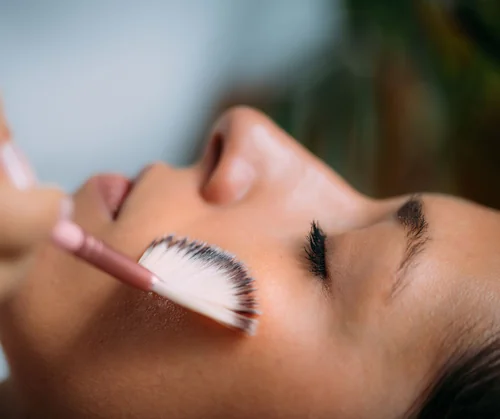
Does Chemical Peel Help Acne?
Yes, chemical peels help acne by unclogging pores, removing dead skin cells that contribute to breakouts, reducing oil production, and killing acne-causing bacteria. The treatment works on two levels: addressing current breakouts while preventing new ones from forming.
How peels improve active acne:
The acids penetrate into pores to dissolve the debris, oil, and dead cells that create blockages leading to whiteheads, blackheads, and inflammatory acne. By clearing these obstructions, peels reduce the environment where acne bacteria thrive. Additionally, certain acids like salicylic acid have anti-inflammatory and antibacterial properties that directly combat the infection component of acne.
How peels address acne scars:
For scarring, peels work by removing damaged surface tissue and stimulating collagen production in deeper layers. This helps fill in depressed scars (atrophic scars) and smooth out uneven texture. Peels also fade the dark marks (post-inflammatory hyperpigmentation) that acne leaves behind by exfoliating pigmented cells.
What chemical peels can improve:
- Active breakouts (whiteheads, blackheads, inflammatory acne)
- Clogged pores and comedones
- Post-acne dark marks and discoloration
- Shallow to moderate acne scars
- Oily skin and enlarged pores
- Rough, uneven texture from old breakouts
However, very deep ice-pick scars or severe cystic acne may need additional treatments beyond peels alone. This information should help you understand the possibilities, but shouldn't replace a consultation with a provider experienced in treating acne.
Best Chemical Peel for Acne: Which Types Work
Salicylic acid peels (best for active acne):
Salicylic acid is a beta hydroxy acid (BHA) that's oil-soluble, allowing it to penetrate deep into oil-laden pores. This makes it ideal for active breakouts.
Concentrations: 20-30% for professional treatments
Best for:
- Active inflammatory acne
- Blackheads and whiteheads
- Oily, acne-prone skin
- Post-acne dark marks
- Preventing future breakouts
Salicylic peels also reduce inflammation and have antibacterial properties, making them uniquely suited for acne treatment.
Glycolic acid peels (good for scars and texture):
Glycolic acid is an alpha hydroxy acid (AHA) that exfoliates surface layers effectively. While not as pore-penetrating as salicylic acid, it works well for acne scars and texture issues.
Concentrations: 30-70% professionally
Best for:
- Superficial acne scars
- Post-acne hyperpigmentation
- Rough texture from old breakouts
- Combination with other acne treatments
- Overall skin renewal
Mandelic acid peels (gentle option for sensitive skin):
Mandelic acid is a larger-molecule AHA that penetrates slowly, making it gentler for sensitive, acne-prone skin that can't tolerate stronger acids.
Best for:
- Sensitive skin with acne
- Darker skin tones (lower PIH risk)
- Mild acne and breakouts
- Those new to chemical peels
TCA peels (for acne scars):
Trichloroacetic acid peels penetrate deeper and work better for moderate to severe acne scarring than active breakouts.
Concentrations: 15-35% for acne scars
Best for:
- Moderate to deep acne scars
- Stubborn texture issues
- Severe post-acne damage
- When lighter peels haven't worked
Jessner's solution (combination approach):
This combines resorcinol, salicylic acid, and lactic acid for comprehensive acne treatment addressing multiple concerns simultaneously.
Best for:
- Both active acne and scarring
- Stubborn acne resistant to single-acid peels
- Comprehensive skin improvement
Learn about deep vs light peel options for different acne severity levels.
Are Chemical Peels Good for Acne? The Evidence
Chemical peels are very effective for acne when the right type is selected and combined with proper skincare. Research shows significant improvement in both active breakouts and scarring.
Expected improvement rates:
- Active acne: 40-70% reduction in breakouts with regular light peels
- Post-acne marks: 50-80% fading with consistent treatment series
- Shallow scars: 30-60% improvement in texture and depth
- Moderate scars: 25-50% smoothing with medium-depth peels
Why peels work so well for acne:
They address multiple acne factors simultaneously—unclogging pores, reducing oil, killing bacteria, calming inflammation, and preventing new breakouts. When combined with topical retinoids and other acne medications, peels can dramatically improve even stubborn cases.
Important considerations:
Peels work best for mild to moderate acne. Severe cystic acne or very active breakouts may need medical treatment with oral medications before peels become appropriate. Very deep ice-pick scars may need additional procedures like subcision or laser treatments for meaningful improvement.
Chemical Peel for Active Acne vs Acne Scars
The approach differs depending on whether you're treating active breakouts or the scars they leave behind.
For active acne:
- Peel type: Light to medium salicylic acid peels (20-30%)
- Frequency: Every 2-4 weeks during active treatment phase
- Goal: Reduce current breakouts and prevent new ones
- Best combined with: Topical retinoids, benzoyl peroxide, or prescription acne medications
- Timeline: Initial improvement in 2-4 weeks, optimal results in 2-3 months
You should not get aggressive peels during severe breakouts as this can worsen inflammation. Wait until acne is moderately controlled before starting peel treatments.
For acne scars:
- Peel type: Glycolic acid (50-70%) or TCA (15-35%) for texture improvement
- Frequency: Every 4-8 weeks for medium peels
- Goal: Smooth depressed scars, fade dark marks, improve overall texture
- Best combined with: Microneedling, laser treatments, or subcision for deeper scars
- Timeline: Gradual improvement over 3-6 months, continued enhancement up to a year
For both active acne and scars:
Combination approaches using salicylic peels for breakouts alternated with glycolic or TCA peels for scarring often deliver the most comprehensive results. Your provider can create a strategic treatment schedule addressing both concerns.
Can Chemical Peels Make Acne Worse?
Chemical peels can temporarily worsen acne in some cases, though this isn't necessarily a bad sign.
Purging vs. adverse reaction:
"Purging" is when peels bring underlying clogs to the surface faster, causing a temporary increase in breakouts. This typically happens in the first 1-2 weeks after treatment and indicates the peel is working to clear out your pores. New breakouts appear in areas where you normally get acne.
An adverse reaction causes new breakouts in areas you don't typically break out, along with irritation, excessive redness, or worsening inflammation. This suggests the peel is too aggressive for your skin.
When peels worsen acne:
- Using too-strong concentrations for your skin tolerance
- Getting peels during severe cystic acne flare-ups
- Not following post-peel skincare protocols
- Introducing too many new products simultaneously
- Using comedogenic (pore-clogging) aftercare products
How to minimize risks:
- Start with conservative peel strengths
- Work with providers experienced in acne treatment
- Follow prescribed skincare regimens exactly
- Wait until severe breakouts are medically controlled before starting peels
- Use non-comedogenic products only
If breakouts worsen beyond week 2 or you develop new irritation, contact your provider to adjust your treatment plan. Understand the healing process and what's normal.
How Many Chemical Peels Do You Need for Acne?
The number of treatments depends on whether you're addressing active acne or scars, and severity.
For active acne control:
- Light peels: 4-6 initial treatments spaced 2-4 weeks apart
- Maintenance: Monthly peels to prevent recurrence
- Expect noticeable improvement after 2-3 treatments
- Optimal control after completing initial series
For acne scars:
- Shallow scars: 4-6 light to medium peels
- Moderate scars: 4-8 medium peels spaced 4-8 weeks apart
- Deep scars: 6+ treatments, possibly combining peel types
- Gradual improvement over several months
Timeline for visible results:
- Week 1-2: Initial purging possible, skin feels smoother
- Week 3-4: Breakouts decrease, pores appear smaller
- Month 2: Significant reduction in active acne
- Month 3-6: Continued scar smoothing and texture improvement
Most people need ongoing maintenance treatments every 4-8 weeks to keep acne controlled long-term. Acne is a chronic condition, so peels work best as part of a comprehensive management plan rather than a one-time fix.
Can Chemical Peels Help Acne Scars?
Yes, chemical peels help acne scars, though effectiveness depends on scar type and depth.
Scar types and peel effectiveness:
Rolling scars (shallow, wave-like depressions): Respond well to medium-depth peels. Expect 40-60% improvement with a treatment series.
Boxcar scars (sharply defined edges, wider than ice-pick): Medium peels can soften edges and improve texture by 30-50%. Deeper boxcars may need laser or subcision.
Ice-pick scars (very narrow, deep pits): Peels alone provide minimal improvement (10-20%). These typically need TCA cross, subcision, or punch excision techniques.
Post-inflammatory hyperpigmentation (dark marks): Excellent response to peels, often fading 60-80% with consistent treatment.
How peels improve scars:
Chemical peels stimulate collagen production in the dermis, which can help fill in depressed scars over time. They also even out texture by removing damaged surface tissue and promoting organized new skin growth. The exfoliation helps blend scar edges with surrounding skin for a smoother appearance.
Best results with combination treatments:
For significant scarring, combining chemical peels with other modalities delivers superior results:
- Peels + microneedling for collagen stimulation
- Peels + laser resurfacing for deeper remodeling
- Peels + subcision for releasing tethered scars
- Peels + dermal fillers for immediate volume in deep depressions
Explore comprehensive chemical peel benefits for acne and other concerns.
Pre-Treatment and Skincare for Best Results
Before starting peels (2-4 weeks):
- Get active acne medically controlled with topical or oral medications
- Begin retinoid use if not already using (helps prep skin)
- Discontinue other exfoliating treatments 3-5 days before
- Use only gentle, non-comedogenic products
- Apply daily SPF 30+ minimum
During peel treatment series:
- Continue prescribed acne medications unless directed otherwise
- Use only provider-approved products
- Avoid picking or squeezing breakouts
- Keep skin well-hydrated with oil-free moisturizer
- Protect healing skin with SPF 50+
Long-term maintenance:
- Regular professional peels every 4-8 weeks
- Consistent retinoid use (most important for acne control)
- Non-comedogenic skincare products only
- Daily sunscreen to prevent post-acne dark marks
- Avoid pore-clogging ingredients
The combination of professional peels with proper at-home skincare delivers far better results than peels alone.
Cost Considerations for Acne Treatment
Per-session costs:
- Light salicylic or glycolic peels: $150-$400
- Medium peels for scarring: $500-$1,500
- Combination peels (Jessner's): $300-$700
Total investment:
- Active acne control: $900-$2,400 (6 initial light peels)
- Acne scar improvement: $2,000-$12,000 (4-8 medium peels)
- Ongoing maintenance: $600-$1,800 annually
Many providers offer acne peel packages that reduce per-session costs by 10-20%. Some may combine peels with extractions or other acne treatments in one visit. Review detailed chemical peel cost information.
Questions to Ask During Consultation
About your acne:
- Am I a good candidate for chemical peels given my acne type and severity?
- Should I get my acne medically controlled before starting peels?
- Which specific peel do you recommend for my combination of active acne and scarring?
- Can I continue my current acne medications during peel treatments?
About the treatment plan:
- How many treatments will I need for my acne concerns?
- How should treatments be spaced?
- What skincare routine should I follow between peels?
- What maintenance plan will keep my acne controlled long-term?
About results and risks:
- What improvement percentage should I realistically expect for my scars?
- Is purging likely, and how long might it last?
- What are the risks specific to acne-prone skin?
- What happens if my acne worsens after treatment?
Compare treatments for related concerns like hyperpigmentation and dark spots from acne.