What Chemical Peels Actually Do for Your Skin
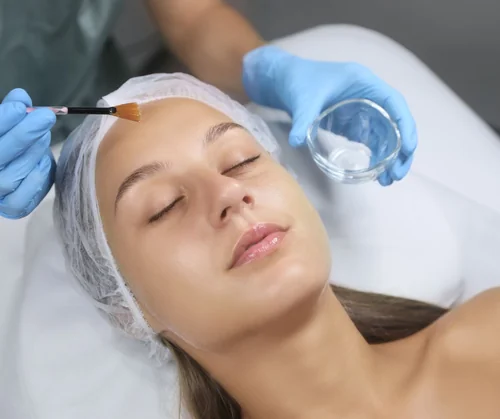
Chemical peels use acidic solutions to exfoliate your skin at different depths depending on the strength of the treatment. During a peel, a chemical solution is applied to your face, neck, or hands, which causes controlled damage to your skin's layers. This damage prompts your skin to shed dead or damaged cells and triggers your body's natural healing response, ultimately improving texture, tone, and overall appearance.
The benefits of a chemical peel depend heavily on which type you get. Light peels only affect the outermost layer of skin and deliver subtle improvements with minimal downtime. Medium peels penetrate deeper into the papillary dermis and can address more significant concerns like moderate sun damage or shallow scars. Deep peels reach into the reticular dermis and produce the most dramatic results for severe damage, though they also require the longest recovery. Understanding the difference between deep vs light peels helps you match the treatment intensity to your skin goals. This information shouldn't replace advice from a qualified provider who can evaluate your skin type and recommend appropriate options.
Skin Texture and Tone Improvements
One of the primary benefits of a chemical peel is smoother, more refined skin texture. The exfoliation process removes rough, dull surface cells and stimulates new skin cell growth, resulting in softer skin that looks more radiant. Chemical peels work particularly well for:
- Rough or uneven texture: The controlled shedding process reveals smoother skin underneath while encouraging your body to produce fresh, healthy cells that improve overall texture
- Enlarged pores: By removing built-up dead skin and debris, peels can make pores appear smaller and less noticeable, though the effect is temporary without regular maintenance
- Dull complexion: Removing the top layer of dead cells instantly brightens your skin and gives it a more youthful glow that people notice right away
Many people also see improvements in skin tone and color consistency. Chemical peels can help reduce uneven pigmentation, age spots, sun spots, and melasma by removing damaged pigmented cells and encouraging more even skin cell turnover. The benefits for dark spots specifically can be significant, though multiple treatments are often needed for stubborn hyperpigmentation.
How Chemical Peels Work for Fine Lines and Wrinkles
Chemical peels can visibly reduce the appearance of fine lines and mild wrinkles, particularly around the eyes and mouth. The treatment works on wrinkles in two ways. First, the immediate exfoliation removes damaged surface skin that contributes to a crepey, aged appearance. Second, and more importantly, chemical peels stimulate collagen production in the deeper layers of your skin.
What peels can realistically improve:
- Fine lines around the eyes (crow's feet)
- Vertical lip lines and wrinkles around the mouth
- Mild forehead lines and expression lines
- Crepey texture on the neck and décolletage
What peels typically can't fix:
- Deep wrinkles or pronounced expression lines
- Skin laxity or sagging
- Jowls or significant facial volume loss
Medium and deep chemical peels produce more dramatic anti-aging results than light peels because they penetrate deeply enough to trigger significant collagen remodeling. However, deep wrinkles, sagging skin, and severe volume loss usually require different treatments like laser resurfacing, dermal fillers, or surgical procedures. Your provider can help you understand what's realistic for your specific aging concerns.
Chemical Peel Benefits for Acne and Acne Scarring
Chemical peels offer multiple benefits for people dealing with acne and the scars it leaves behind. For active acne, peels work by deeply exfoliating to unclog pores, remove dead skin cells that contribute to breakouts, and reduce inflammation. The acidic solutions used in peels (particularly salicylic acid and glycolic acid) also have antibacterial properties that can kill acne-causing bacteria.
For acne scarring, the benefits depend on scar type and depth:
Best results for:
- Shallow, rolling scars that create uneven texture
- Post-inflammatory hyperpigmentation (dark marks left after breakouts heal)
- Mild to moderate acne scarring with relatively smooth contours
Limited results for:
- Deep, pitted "ice pick" scars
- Severe boxcar scars with sharp edges
- Very deep atrophic scarring
Multiple peel sessions are typically needed to see significant improvement in acne scarring. Some people combine chemical peels with other treatments like microneedling, subcision, or dermal fillers for better results on deeper scars. Learn more about how chemical peels specifically work for acne if breakouts are your primary concern.
Treating Sun Damage and Precancerous Spots
Chemical peels are particularly effective at addressing sun damage and photoaging. Years of UV exposure cause visible changes like brown spots, rough patches, uneven tone, and a leathery texture that peels can significantly improve. By removing the damaged outer layers of skin, chemical peels help reverse some of these effects and reveal healthier skin underneath.
Medium and deep peels can also treat actinic keratoses, which are rough, scaly precancerous growths caused by chronic sun exposure. These lesions appear as small, rough patches (usually on areas that get lots of sun like the face, ears, neck, and hands) and have the potential to develop into skin cancer if left untreated. Chemical peels eliminate these growths by removing the damaged skin cells and may provide protection for an extended period.
The treatment works well for widespread sun damage across large areas, making it more practical than removing individual spots one by one. However, sun protection after a peel is absolutely critical since your new skin is more vulnerable to UV damage. You'll need to avoid sun exposure during healing and wear broad-spectrum sunscreen daily afterward to maintain results.
Understanding Results: Does a Chemical Peel Really Work?
Chemical peels do work, but results vary significantly based on several factors. Most people notice some improvement after their first treatment, but the effects are cumulative. This means maximum benefits typically appear after a series of peels spaced four to six weeks apart for light peels, or six to twelve months apart for medium peels.
Timeline for seeing results:
Immediately after: Your skin may look red or pink, similar to a mild sunburn, depending on peel depth
Days 3-7: Active peeling begins as dead skin sheds or flakes away, revealing fresher skin underneath (some people experience dramatic visible peeling while others see minimal flaking)
Week 1-2: Once peeling subsides, you'll start seeing brighter, smoother, more even-toned skin that represents your initial results
Weeks 2-8: Continued improvement as collagen production increases and skin texture continues refining beneath the surface
The depth of your peel dramatically affects both results and longevity. Light peels deliver subtle improvements that last one to two months and require regular maintenance treatments. Medium peels produce more noticeable results that can last several months to over a year. Deep peels create dramatic changes that may last up to 10 years or longer for certain concerns, though they also involve significant recovery time.
Who Gets the Best Results from Chemical Peels
Chemical peels can benefit most people, but certain individuals tend to see better outcomes. People with lighter skin typically have fewer complications and more predictable results, though those with darker skin can still benefit from carefully selected peel types and strengths.
Ideal candidates for chemical peels:
- People with fair to medium skin tones (Fitzpatrick types I-IV for most peels)
- Those with realistic expectations about what peels can achieve
- Individuals who can commit to proper aftercare and sun protection
- People willing to undergo multiple treatments for optimal results
- Those without active skin infections, open wounds, or certain medical conditions
Who should avoid chemical peels or use caution:
- People with very dark skin tones may face higher risks of hyperpigmentation, though superficial peels performed by experienced providers can still be safe
- Those with active cold sores, herpes infections, or frequent outbreaks (may need antiviral medication first)
- Pregnant or breastfeeding women
- People who've taken isotretinoin (Accutane) within the past six months
- Individuals with certain autoimmune conditions or abnormal scarring tendencies
Your skin type, the specific concerns you're trying to address, and how well you follow aftercare instructions all influence your results. Working with an experienced provider who has successfully treated your skin type and understands your goals gives you the best chance of achieving the improvements you're looking for.
Additional Benefits: Better Product Absorption
An often overlooked benefit of chemical peels is that they can make your at-home skincare products work better. By removing multiple layers of dead skin buildup and congestion, peels allow serums, moisturizers, and treatments to penetrate deeper into your skin where they can be most effective.
This improved absorption means your expensive skincare products can actually reach the living skin cells that benefit from their active ingredients, rather than sitting on top of dead surface cells. Many people find that their regular products seem to work noticeably better in the weeks following a peel, delivering improvements they hadn't seen before. This benefit makes peels a smart complement to a good skincare routine rather than a replacement for it.
Potential Downsides and Realistic Expectations
While chemical peels offer significant benefits, being realistic about what they can't do is equally important. Peels won't eliminate deep wrinkles, can't tighten loose or sagging skin, and won't permanently prevent aging or sun damage from continuing. They're also not effective for certain types of discoloration, particularly birthmarks or very deep pigmentation.
Common side effects to expect:
- Redness and sensitivity (ranges from mild to severe depending on peel depth)
- Peeling or flaking skin for several days to two weeks
- Temporary tightness or discomfort
- Increased sun sensitivity requiring diligent protection
Less common but possible complications:
- Temporary or permanent color changes, particularly in darker skin tones
- Infection if proper aftercare isn't followed
- Scarring in rare cases, especially with deep peels
- Reactivation of cold sores in susceptible individuals
Understanding the healing process helps you plan appropriately for downtime and avoid complications. Most people can return to normal activities within a few days for light peels, while deep peels may require two weeks or more of recovery.
Combining Chemical Peels with Other Treatments
Chemical peels often work even better when combined with complementary treatments. Many providers recommend using peels alongside other procedures to address multiple skin concerns simultaneously or to enhance overall results.
Treatments that pair well with chemical peels:
- Microneedling for deeper collagen stimulation and scar improvement
- Laser treatments like IPL or BBL for vascular concerns and pigmentation
- Dermal fillers and neurotoxins to address volume loss and dynamic wrinkles that peels can't fix
- Medical-grade skincare regimens including retinoids and antioxidants
The key is proper timing and coordination between treatments. Your provider can create a comprehensive treatment plan that leverages the strengths of different procedures while avoiding over-treating your skin. Some combinations are performed during the same visit, while others need to be spaced weeks or months apart to allow proper healing.
Making Chemical Peels Worth It: Cost Considerations
Whether chemical peels are worth it depends partly on your budget and how you value the results. Light peels typically cost less per session but require ongoing treatments to maintain benefits, while deeper peels cost more upfront but deliver longer-lasting results. Learn about chemical peel costs in detail to budget appropriately.
For many people, the cumulative benefits of regular light or medium peels make them a worthwhile investment in skin health and appearance. The treatments can address multiple concerns simultaneously (texture, tone, fine lines, acne) in a way that buying multiple skincare products might not achieve. However, if you're looking for dramatic correction of severe concerns and have fair skin, a single deep peel might be more cost-effective than years of lighter treatments.
Questions to Ask During Your Consultation
Before committing to chemical peel treatments, schedule a consultation with a qualified provider to discuss whether the benefits align with your specific needs.
Important questions to cover:
- Which type of peel do you recommend for my skin concerns and skin type, and why?
- How many treatments will I likely need to achieve my goals?
- What results can I realistically expect, and do you have before-and-after photos of patients similar to me?
- What will my recovery look like, and how much downtime should I plan for?
- What are the specific risks for my skin type, and how do you minimize complications?
- What will the total investment be, including any recommended series of treatments?
- How should I prepare my skin before the peel, and what aftercare will be required?
- Can this be combined with other treatments I'm interested in, or should peels be done separately?
A knowledgeable provider should be able to give you honest answers about what chemical peels can realistically do for your specific concerns. If someone promises dramatic results for issues that peels typically don't address well, or if they can't explain why they're recommending a particular peel type for your skin, consider getting a second opinion.