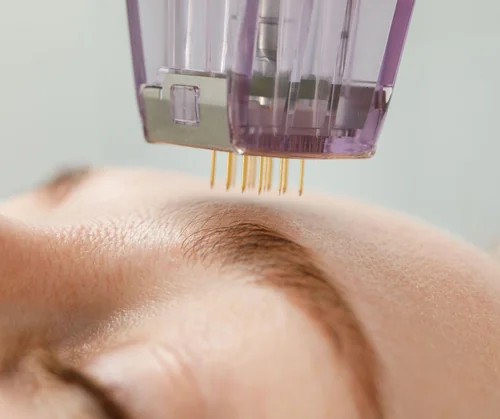
Microneedling pain guide
Yes, microneedling can hurt, but for most people it's more "spicy and scratchy" than unbearable. The sensation usually comes in waves as the device passes over different areas, and certain spots like the forehead, upper lip, and around the nose often feel sharper. Microneedling numbing cream is commonly used for in office treatments, and it can significantly take the edge off, especially if it has enough time to work.
Your skin type, needle depth, treatment intensity, and your timing (like being close to your period) can all change how it feels. After the appointment, the "hurt" is usually more like tightness, warmth, and tenderness, similar to a sunburn, and it tends to fade over the next day or two. If you're comparing options, the pain experience is also different between professional microneedling and at home devices.
This page is general information and isn't medical advice, so it's always smart to follow your provider's instructions and check in with a qualified professional if you're unsure.
What microneedling feels like in real life (not the overly dramatic version)
Microneedling pain usually isn't one single feeling. It's a combination of sensations that can change throughout the session, depending on the tool, the depth, and where you're being treated. Knowing what the sensations are ahead of time helps you feel less caught off guard, which honestly makes the experience easier.
Most people describe microneedling as:
- A fast, repetitive scratching or sandpapery sensation that moves across the skin
- A hot, stinging feeling in thinner areas like the forehead or temples
- A sharper "zip" feeling when the device passes over bony spots
- Pressure plus prickling, especially if the provider uses multiple passes
You may also notice the sound and vibration are part of the experience. Some devices make a humming or tapping noise, and the vibration can make the sensation feel more intense even when the needle depth isn't extremely deep. If you're anxious, your body can amplify any discomfort, so it helps to go in knowing that the feeling is common and usually short lived per area.
Why microneedling can hurt (the science in plain language)
Microneedling works by creating tiny micro injuries in the skin. That's the point. Those micro injuries are what trigger a repair response that can support texture, tone, and the look of scarring over time. Pain happens because your skin has nerve endings that notice when something is poking, dragging, or vibrating across it.
A few things make the sensation feel stronger:
- Needle depth and speed: Deeper needles and faster stamping typically feel more intense.
- Skin thickness: Thinner skin tends to sting more, while thicker skin may feel more pressure.
- Inflammation and sensitivity: If your skin barrier is already irritated, the same treatment can feel harsher.
- Area anatomy: Places close to bone or with lots of nerve endings feel sharper.
Professional microneedling may also include techniques or add ons that change sensation. For example, some providers pair microneedling with topical products, and some use radiofrequency microneedling, which adds heat under the skin and can feel different than standard microneedling. If you're considering RF microneedling, it's worth reading the FDA's overview of microneedling devices and safety considerations so you understand why training and proper device use matter.
Microneedling pain level: what changes it the most
If you've read one review that says microneedling was "no big deal" and another that says it was "awful," both can be true. Pain is personal, but microneedling also has real variables that change the experience.
Here are the biggest factors that influence microneedling pain level:
Treatment intensity and needle depth
The deeper the needles, the more likely you'll feel sharpness rather than just scratching. Depth is often adjusted based on your goals and the area being treated, and providers may use different depths on different parts of your face. That's one reason the sensation can change mid appointment.
Number of passes
A single pass across the skin can feel manageable, but multiple passes may build up heat and sensitivity. More passes can mean more sting, especially toward the end of the session.
Your skin that day
If you're sunburned, over exfoliated, breaking out, or reacting to a product, microneedling can feel more intense and your skin may stay irritated longer. This is why good pre appointment prep matters just as much as aftercare.
Timing in your cycle and stress levels
Many people feel more sensitive right before or during their period. Stress can also make your nervous system more reactive, which can turn "uncomfortable" into "too much" faster.
Your provider's technique
A steady hand, consistent pressure, and thoughtful pacing can make a big difference. The best providers check in without making you feel dramatic, and they adjust as needed.
Microneedling numbing: what to expect and what to ask for
Microneedling numbing is one of the biggest levers for comfort. In many professional settings, a topical numbing cream is applied before the procedure and left on long enough to actually work. When it's done properly, it can change the experience from "I'm bracing for every pass" to "I can handle this."
Numbing varies by provider, but here's what's worth knowing:
- Timing matters: Numbing cream needs time to take effect. Rushing this step can make the whole session feel sharper than it needs to.
- Coverage matters: Numbing should be applied evenly, including tricky spots like around the nose if those areas are being treated.
- Removal matters: Your provider will usually remove numbing before treatment. That's normal. You may still feel pressure and vibration even when the sharpness is reduced.
- Communication matters: Ask what they use, how long it sits, and what discomfort level they expect for your specific plan.
If you're worried about pain, bring it up early, ideally when you're booking. You don't have to "tough it out" to prove anything. Comfort affects how still you can stay, and stillness affects results and safety.
Can you do microneedling without numbing?
Yes, you can do microneedling without numbing, but it depends on the kind of microneedling and your personal tolerance. Some people prefer no numbing for very light treatments or for at home tools, but professional microneedling often goes deeper and tends to feel more intense without it.
Going without numbing may be more realistic when:
- The needle depth is shallow
- The treatment is focused on a small area
- You've done it before and know your tolerance
- You're using an at home device designed for minimal depth
Going without numbing may be a rougher experience when:
- You're doing multiple facial areas in one session
- You're treating more sensitive zones like the forehead or upper lip
- Your provider is doing a stronger protocol for texture or scarring
If you're comparing DIY tools to in office treatment, it helps to read a dedicated guide on microneedling at home so you understand how device depth, hygiene, and technique change both comfort and risk.
Where microneedling hurts the most (and why)
Some areas are just more sensitive. That doesn't mean anything is wrong, it's anatomy. Here's a practical breakdown of where microneedling tends to feel more intense:
Forehead
The forehead often feels sharp because the skin can be thinner and it sits closer to bone. Even with numbing, many people feel this area more than the cheeks.
Around the nose
The folds around the nose and the area beside the nostrils can sting. There's also less "padding," which makes the sensation feel more direct.
Upper lip
The upper lip is a common "yep, I felt that" zone. It has lots of nerve endings, and even gentle passes may feel spicy.
Jawline and chin
These areas can be sensitive, especially if you're prone to breakouts or irritation there. Some people feel more pressure than sharpness, while others feel a stronger sting.
Cheeks
Cheeks are often more tolerable because there's more tissue and the skin can be a bit thicker. That said, stronger passes for acne scars can change the experience.
What you'll feel during microneedling, step by step
Knowing the flow of the appointment helps you relax, and relaxation genuinely affects how pain registers.
Before the treatment starts
If numbing is used, you'll usually sit with it on for a set amount of time. Once it's removed, your skin may feel weirdly thick or slightly tingly. That's normal.
During the first pass
The first pass often feels the easiest because your skin hasn't heated up yet. You may feel vibration, pressure, and light scratchiness.
Mid session
As the session goes on, you may feel more heat and sensitivity. This is where providers often slow down, add more glide product, and check in.
Toward the end
The last areas can feel more intense because your skin is already reactive. If you know you have a sensitive zone, you can ask your provider to treat it earlier in the session.
If you want the bigger picture of what microneedling does and what it's commonly used for, it helps to read through microneedling benefits so you understand how intensity and goals connect.
How long does microneedling hurt after treatment?
Most people don't feel "pain" for a long time after microneedling, but it's common to feel tenderness, tightness, warmth, and sensitivity. Think of it like your skin feeling flushed and fragile, not like a deep ache.
A typical timeline looks like this:
- First few hours: Warmth, redness, and a stinging feeling when you touch your face or apply products.
- Day 1: Tightness and sensitivity, especially with heat, sweat, or sun exposure.
- Day 2 and beyond: Less sting, more dryness or light flaking for some people, depending on intensity.
Your downtime depends on how aggressive the session was and how your skin responds. If you're trying to plan around a big event, you'll want to consider microneedling downtime as part of the decision, not as an afterthought.
How to make microneedling less painful (without pretending it's nothing)
You don't need to be fearless to get microneedling. You just need a plan. Here are realistic ways to reduce discomfort before, during, and after.
Before your appointment
- Avoid sensitizing products: Strong exfoliants and irritating actives can make your skin more reactive.
- Hydrate and sleep: A regulated nervous system handles discomfort better than an exhausted one.
- Ask about numbing early: Don't wait until you're in the chair to bring it up.
- Plan timing: If you know you're more sensitive around your period, schedule accordingly.
During the session
- Ask for pacing: A slower pass can feel more tolerable in sensitive areas.
- Breathe intentionally: Slow exhales help your body stay out of panic mode.
- Don't be afraid to pause: A short break can reset your tolerance without derailing the treatment.
- Use signals: Agree on a simple signal with your provider if you need them to stop for a second.
After the session
- Keep it cool and gentle: Heat, harsh products, and friction tend to feel worse.
- Follow aftercare closely: Good aftercare can reduce prolonged tenderness and irritation.
- Don't pick or scrub: Your skin needs time to calm down and rebuild its barrier.
For a full step by step plan, bookmark microneedling aftercare and follow the specific instructions your provider gives you, since protocols can vary.
Does microneedling feel like a tattoo?
People compare it to a tattoo because both involve needles, vibration, and repeated passes over the skin. But the sensation isn't identical. Tattoos often involve longer time in one area and ink deposition, while microneedling moves more quickly across zones and the discomfort often comes from heat and irritation building up.
A more accurate comparison for many people is:
- Lighter areas can feel like a scratchy electric toothbrush on your skin
- Sensitive areas can feel like tiny sharp zaps combined with pressure
- Post treatment can feel like a mild sunburn, tightness, and warmth
If you've handled tattoos well, you might tolerate microneedling fine, but it's not a guarantee. Different nerves, different skin states, different day.
Professional microneedling vs at home microneedling pain
At home microneedling tools are often designed for shallower penetration, which may feel less intense. The tradeoff is that comfort doesn't automatically mean it's the right choice for your goals, and safety matters a lot with any device that punctures skin.
Professional microneedling tends to be more uncomfortable because:
- It may go deeper
- It may involve stronger protocols for specific concerns
- It may include techniques that increase sensation, like multiple passes or advanced devices
At home microneedling may feel easier because:
- It's typically lower depth
- You control the pace
- You can stop anytime
It's worth weighing comfort alongside risk, hygiene, and realistic expectations. The Cleveland Clinic's overview of microneedling, common side effects, and what to expect is a good baseline if you want a medical perspective on what's typical after treatment.
Pain is only one part of the decision (cost, downtime, and alternatives matter too)
It's smart to think about pain, but it's also helpful to zoom out. A treatment can be tolerable but not worth it for your goals, or it can be worth it but require better planning around downtime and recovery.
As you decide, it helps to compare:
- Budget: How many sessions you might need and how pricing is structured. Here's a deep guide on microneedling cost so you can build a realistic plan.
- Downtime: How long your skin may look red, feel tight, or be sensitive.
- Your goals: Texture, fine lines, acne scarring, and glow can all be different protocols.
- Alternatives: If microneedling feels like too much right now, comparing other treatments can clarify the best fit.
If you're weighing options, these comparisons can help you make a cleaner decision without guessing:
- microdermabrasion vs microneedling for a gentler, more surface level approach
- microchanneling vs microneedling if you're curious about a technique that some people find more tolerable
- microneedling vs chemical peel if you're deciding between controlled exfoliation and controlled injury
What to look for in a provider if you're worried about microneedling pain
A good provider can make microneedling feel manageable. A rushed or dismissive provider can make it feel harder than it needs to be.
Here's what to look for:
- They explain discomfort realistically: No minimizing, no fear tactics, just clear expectations.
- They're transparent about numbing: What they use, how long it sits, and what you'll still feel.
- They adjust depth by area: A thoughtful provider doesn't treat your whole face like one flat surface.
- They give structured aftercare: You should leave knowing what to do that night and the next few days.
- They respect your boundaries: You can ask for a pause. You can ask to skip an area. You can ask questions.
If you want a quick refresher on pain expectations across microneedling, you can also keep this microneedling pain guide saved for reference.
When microneedling pain might be a red flag
Some discomfort is expected, but certain signals are worth taking seriously. If something feels off, you're allowed to speak up. You're not being difficult, you're being careful with your skin.
Check in with your provider if you notice:
- Pain that feels sharp and escalating rather than steady and tolerable
- Significant swelling, blistering, or unusual discoloration
- Symptoms that worsen dramatically after the first 24 to 48 hours
- Any signs of infection, like increasing warmth, pus, or spreading redness
It also matters what device is being used and who is using it. The FDA emphasizes that some microneedling devices are regulated medical devices, and correct use matters for safety, which is why their guidance on microneedling devices is worth reading if you're comparing treatment types.
A gentle prep checklist if you're nervous about microneedling pain
If you're anxious, you don't need to "power through." You can set yourself up so the day feels predictable and supported.
Try this:
- Book a time when you won't be rushing right after
- Eat beforehand so you're not going in lightheaded
- Ask about numbing and timing at booking
- Bring headphones if sound or vibration makes you tense
- Plan a simple aftercare night, like gentle cleanser, hydration, and early sleep
- Avoid scheduling right before a big event, just in case your skin stays pink longer than expected
Microneedling can be a great option, but it's not a test of toughness. It's a skincare decision, and you get to make it in a way that feels safe and doable for you.