Treatment overviews
Microdermabrasion and microneedling can both improve skin texture and brightness, but they work in totally different ways. Microdermabrasion is a surface-level exfoliation that buffs away the top layer of dead skin, so it's usually lower downtime and often feels more like a scratchy facial than a procedure. Microneedling creates controlled micro-injuries in the skin to support collagen remodeling, which is why it's often chosen for concerns like acne scarring, fine lines, and uneven texture. If you want a quick refresh with minimal recovery, microdermabrasion may be a better match.
If you're aiming for deeper, longer-building results and you're okay with a few days of redness, microneedling may be worth it. In many clinics, microneedling costs more per session, but microdermabrasion may require more frequent maintenance to keep results going. People with very reactive skin, active breakouts, or certain medical conditions may need to be more cautious with either option.
This guide is for education only and shouldn't replace personalized advice from a licensed provider who can assess your skin in person.
Microdermabrasion vs microneedling at a glance
Here's the simplest way to think about it: microdermabrasion polishes the surface, microneedling works below the surface. That difference affects everything, including the kinds of results you'll notice, how long healing takes, and how many sessions you might want.
| Category | Microdermabrasion | Microneedling |
|---|---|---|
| What it is | Physical exfoliation of the top layer | Controlled micro-injuries to support collagen remodeling |
| Best for | Dullness, rough texture, mild discoloration, "glow" | Texture, acne scarring, fine lines, pores, uneven tone |
| Downtime | Often same-day, mild redness possible | Commonly 1–3 days of redness, sometimes longer sensitivity |
| Pain | Usually mild | Can be moderately uncomfortable without numbing |
| Typical cadence | More frequent maintenance | Spaced-out series with longer intervals |
Even with a table, your choice usually comes down to two things: what you're trying to change and how much downtime you can tolerate. Some people also rotate them seasonally or use them in different phases of a longer skincare plan, but that should be done thoughtfully so you don't overload your skin barrier.
What is microdermabrasion and what does it do?
Microdermabrasion is a cosmetic exfoliation treatment that removes the uppermost layer of dead skin cells. A provider uses either a crystal-based system or a diamond-tip wand, often combined with suction, to buff the skin and lift away debris. Because it's focused on the surface, it's typically used to improve roughness, dullness, and the look of clogged pores.
Microdermabrasion is often chosen when you want your skin to look smoother and more even without committing to downtime. It can be a nice option if you're trying to improve makeup application, soften the appearance of mild texture, or brighten skin that looks tired. If you want the medical overview of what microdermabrasion is and how it's typically performed, Cleveland Clinic's guide to microdermabrasion is a solid reference.
Microdermabrasion can be tempting because it sounds simple, and it often is. Still, how you respond depends on your skin sensitivity, the device used, and how aggressive the provider is. If you're prone to irritation, you'll want a lighter approach and a plan for calming aftercare.
What is microneedling and what does it do?
Microneedling uses very small needles to create controlled microchannels in the skin. That controlled "injury" signal can support collagen and elastin remodeling over time, which is why microneedling is commonly discussed for texture, acne scars, and early lines. It's not instant-glow in the same way microdermabrasion can be, because results tend to build gradually as your skin heals and remodels.
Microneedling is often chosen when a surface buff isn't enough for what you want to change. If your top concern is indented acne scarring, crepey texture, or fine lines that don't budge with exfoliation, microneedling may be more aligned with your goal.
It's also worth knowing that "microneedling" can be a broad label. Depth, device type, technique, and whether energy is added (like radiofrequency) all affect comfort and outcomes. When you're comparing providers, those specifics matter more than the name on the service menu.
How each treatment actually works during an appointment
Microdermabrasion appointments are usually straightforward. Your skin gets cleansed, the device passes across the area in a controlled pattern, and then a soothing product and sunscreen are applied. The sensation is often described as scratchy, sandy, or like a firm exfoliating facial with light suction. Many people leave a little pink but otherwise feel normal, and you may notice your skin feels smoother right away.
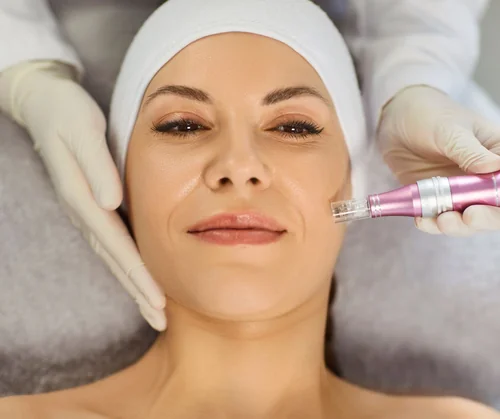
Microneedling appointments typically involve more prep. Many clinics apply a topical numbing cream, let it sit for a set amount of time, then wipe it off before treatment begins. The device glides across the skin in sections, and the provider may adjust needle depth for different areas like cheeks versus forehead. Afterward, your skin can look sunburned and feel warm or tight, and aftercare becomes part of the "treatment" because your barrier needs support while it recovers.
If you're trying to decide whether microneedling is worth it for your goals, our breakdown of microneedling benefits can help you map concerns to the treatment more clearly.
Results: what changes faster, and what changes more deeply?
Microdermabrasion results tend to show up quickly, but they're usually subtle and surface-level. People often notice smoother texture, a bit more brightness, and makeup sitting better on the skin. If you're dealing with minor roughness or dullness, it can feel like a refresh button. The tradeoff is that results are often maintained by repeating treatments because dead skin cells keep building up and the surface needs ongoing upkeep.
Microneedling results tend to be slower, but potentially more meaningful for deeper texture concerns. Because collagen remodeling takes time, you might notice gradual changes in how skin reflects light, the look of fine lines, and how textured areas blend with surrounding skin. The "worth it" factor often depends on whether your main concern is surface-level (microdermabrasion can help) or structural (microneedling may be a better fit). That said, no treatment works the same for everyone, and results vary based on skin type, technique, and consistency.
Downtime and healing: what you might look like afterward
Microdermabrasion downtime is usually minimal. Mild redness, dryness, or sensitivity can happen, especially if you're sensitive or if the treatment was more aggressive. Your skin may feel a little tight for a day, and you'll want to avoid harsh actives and heavy exfoliation right after. Sunscreen matters because freshly exfoliated skin can be more reactive to sun exposure.
Microneedling downtime is more noticeable for many people. Right after treatment, redness is common, and some people experience swelling or a "sandpaper" feeling as the skin heals. Over the next few days, you might see dryness, flaking, or a slightly bronzed look as the surface layer turns over. Planning your schedule around that healing window can make the whole experience feel easier, especially if you have events, photos, or a job where you're face-to-face all day.
If you're someone who likes a predictable, step-by-step plan, it's worth reading microneedling aftercare before you book. Aftercare can influence comfort and how smoothly your skin recovers, and it also helps you avoid accidental "oops" moments like using a strong acid too soon.
Does microneedling hurt more than microdermabrasion?
For most people, yes. Microdermabrasion is often described as mildly uncomfortable at most, like a gritty exfoliation with suction. Microneedling can feel sharper, especially on bony areas or places with thinner skin. Numbing cream can significantly reduce discomfort, but you may still feel pressure, vibration, or prickling depending on depth and technique.
Pain isn't only about the needles, either. Your hydration level, anxiety, hormonal cycle, and how inflamed your skin is that day can all change what you feel. Some providers also move faster or slower, and pacing can make the treatment feel more manageable.
If you're considering at-home devices, pain and safety become a bigger conversation, because technique and sanitation matter. You can learn more about the tradeoffs in microneedling at home, especially if you're tempted by a microneedling pen for convenience.
Cost: is microdermabrasion cheaper than microneedling?
Microdermabrasion is usually cheaper per session than microneedling, but the full cost depends on your plan. Microdermabrasion is often done more frequently, especially if you're using it as ongoing maintenance, which can add up over time. Microneedling usually has a higher price per session, but treatments are typically spaced further apart and often sold as a series. If you're budgeting, it's smart to compare total plan cost over three to six months instead of comparing one appointment to one appointment.
What drives price the most is provider type and what's bundled. A clinic may include add-ons like LED, growth factor serums, PRP, or RF energy, and those change both cost and experience. Location and demand also matter, even within the same region.
At-home tools can look cheaper upfront, but don't forget the hidden costs. Replacement cartridges, proper disinfecting products, and the "what if my skin reacts badly" factor all matter. A safe plan is the one that fits your skin and your risk tolerance, not just the lowest number.
What each treatment is best for
If your goal is a quick glow and smoother feel
Microdermabrasion is often the better match. It's designed to remove dead surface cells and polish texture, which can make skin feel immediately smoother. It may also help product absorption feel better because you're removing the layer that can make skin look dull. The change is often subtle but satisfying if your baseline issue is "my skin looks tired."
If your goal is acne scars, texture, and gradual long-term improvement
Microneedling may be more aligned. It's commonly chosen when you want to influence deeper texture patterns rather than just surface roughness. That includes some acne scarring, early fine lines, and uneven texture that doesn't change much with exfoliation. It still isn't a guarantee, but it's often the treatment people explore when topicals and facials have plateaued.
If your goal is sensitive-skin friendly improvement
Either treatment can be adapted, but this is where provider skill matters a lot. Over-exfoliation from microdermabrasion can irritate sensitive skin, and microneedling done too aggressively can trigger inflammation. If you're prone to redness, flares, or barrier issues, the safest move is usually a conservative plan and a provider who's comfortable dialing intensity down.
Safety and who should pause before booking
Both treatments can be safe when done appropriately, but there are times to slow down and get personalized guidance. If you have active skin infections, open lesions, uncontrolled breakouts, or a history of poor wound healing, it's worth talking to a licensed provider before choosing either option. Certain medications and medical conditions can also change how your skin responds, and a good consult should include that history.
Microdermabrasion can sometimes worsen irritation if the skin barrier is already compromised. Microneedling can increase risk of inflammation or infection if equipment isn't sterile or if aftercare is ignored. That's why provider hygiene standards and your post-treatment routine are not "extra" details. They're part of what makes the treatment safer.
If you're considering radiofrequency microneedling specifically, it's worth understanding that adding energy changes the risk profile. The FDA has issued a safety communication about radiofrequency microneedling devices, and it's a good reminder to choose qualified providers and ask direct questions about device training and settings.
At home vs professional: what's realistic for each?
At-home microdermabrasion tools exist, and they can give a mild exfoliation effect. The upside is convenience and lower cost per use, but the downside is you may not get the same consistency or evenness as a trained provider. There's also a real risk of overdoing it, especially if you combine it with acids, retinoids, or other exfoliants without a plan. If you're already using strong skincare, you'll want to be careful about stacking too much exfoliation.
At-home microneedling is where you need to be extra cautious. Sterility, needle depth, pressure, and technique all matter, and mistakes can lead to irritation, pigment changes, or infection. Many people confuse superficial at-home rollers with professional microneedling, and the risk is thinking "more depth equals better results" when that can backfire. If you're deciding whether to try home microneedling or book a professional session, start with microneedling at home so you can weigh safety and expectations clearly.
If you're the kind of person who loves DIY, it's not about being "allowed" or "not allowed." It's about choosing a method that matches your ability to do it safely and consistently. A professional setting is usually the safer choice for deeper treatments.
Should I do microdermabrasion or microneedling first?
If you're choosing one, you don't need to do both. But if you're planning a longer treatment journey, sequencing can matter. Microdermabrasion is often positioned as a "maintenance" treatment, while microneedling is more of a structured series. Some people do microdermabrasion in the months when they want quick polish and save microneedling for times they can handle downtime. Others do a microneedling series first to target deeper concerns, then switch to lighter maintenance options later.
What you generally want to avoid is doing aggressive exfoliation right before microneedling. Your skin barrier needs to be stable so it can heal well after micro-injuries. If you're combining treatments, spacing and supervision matter, and the safest plan usually comes from one provider who understands your routine and your skin's history.
How to choose between microdermabrasion vs microneedling
If you want a practical way to decide, start with these questions and answer them honestly.
- What bothers you most when you look in the mirror? If it's dullness, roughness, or makeup sitting oddly, microdermabrasion may help more quickly. If it's texture, indented scars, or fine lines that feel "in the skin," microneedling may be more relevant. You can also take photos in consistent lighting for two weeks, because what you notice daily isn't always what shows up on camera.
- How much downtime can you tolerate without stressing about it? Microdermabrasion is often easier to fit into a normal week. Microneedling usually asks for a recovery window where your skin is red and more sensitive. If you'll be anxious about being seen during healing, plan for time off or choose a lighter option.
- Are you willing to commit to a series? Microneedling often works best as a planned series with spacing. Microdermabrasion can be one-and-done for a refresh, but maintenance may be needed to keep results. Your personality matters here, because consistency affects outcomes.
- Do you have a provider you trust with your skin? Technique changes everything, from comfort to healing. A good provider can adjust intensity, recommend timing, and help you avoid overdoing it. If a clinic won't answer basic questions about training, device type, and aftercare, that's information too.
If your main goal is to find a treatment that fits your lifestyle, you might also want to compare microneedling against other "texture" options. The microneedling vs chemical peel guide can help if you're stuck choosing between a physical treatment and a chemical approach.
What to ask a provider before you book
A consult should feel like a collaboration, not a sales pitch. These questions usually lead to clearer expectations and a better plan.
- What concern do you think this treatment will help most in my case, and what won't it change much?
- How many sessions do you typically recommend for my goal, and how far apart should they be?
- What device will you use, and how do you decide settings like suction level or needle depth?
- What does healing usually look like in the first 24 hours, 3 days, and 7 days?
- What products should I stop before the appointment, and when can I restart them?
- If I'm prone to dark marks after irritation, what steps do you take to reduce that risk?
Good answers won't be overly confident. You want "it depends" plus a clear explanation of what it depends on.