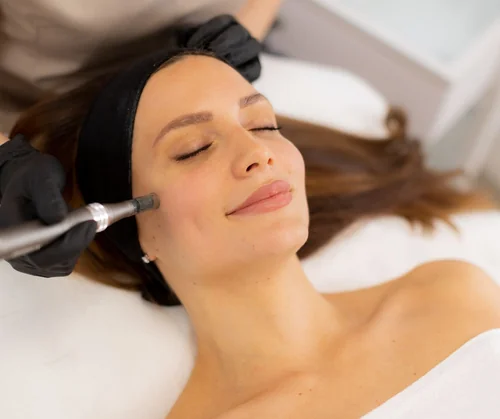
Microneedling at a glance
Microneedling benefits usually come down to one big thing: it nudges your skin into repair mode, which can help improve texture over time. People often choose it for acne scars, roughness, visible pores, fine lines, and uneven tone because it can create a more even-looking surface and a smoother feel.
Results tend to build gradually, and most people need a series rather than a single session. Downtime is typically short, but it's normal to look pink or flushed for a day or two and feel a bit tight or dry while your skin calms down. It's not a substitute for treatments that lift sagging skin, erase deep wrinkles overnight, or remove very deep pigment on its own.
If you're deciding whether microneedling is worth it, the best questions are: what problem are you trying to improve, how consistent can you be with a plan, and how comfortable are you with some temporary redness. It also matters who's doing it, what device they're using, and how they adjust the approach for your skin tone and sensitivity.
This page is for general information only and isn't a substitute for medical advice. If you have a skin condition, a history of pigment changes, or you're unsure what's safe for your skin, it's best to consult a qualified professional.
What is microneedling, and what does microneedling do?
Microneedling is a procedure that uses very small needles to create tiny, controlled micro-injuries in the skin. That sounds intense, but the idea is simple: your skin responds by kicking off a healing process that may support collagen and elastin production over time. When that healing happens in a controlled way, it can help soften the look of uneven texture and certain types of scarring, and it can make skin look a bit more refreshed and "even."
It's sometimes called collagen induction therapy, and it can be done with a pen-like device (often called a microneedling pen) or other medical devices designed for this purpose. Depth settings, technique, and the number of passes matter a lot, which is why results vary so much between people. If you've ever seen someone's "before and after" look dramatic, it's usually because they had the right match of skin concern, depth, session plan, and aftercare.
If you want a medical overview of how microneedling is used and what it targets, the Cleveland Clinic's microneedling guide gives a solid, patient-friendly explanation without hype.
Microneedling benefits: what it's actually best at
Microneedling is one of those treatments that can be really worth it when it matches the problem you're trying to solve. It's less about "perfect skin" and more about steady improvement in the things that bug you most.
1. Microneedling benefits for acne scars and textural scarring
Microneedling benefits are often most obvious with certain acne scars, especially shallow rolling scars and texture that looks uneven under lighting. The goal isn't to erase a scar overnight. It's to gradually remodel the surface and make the transitions in texture look softer. People usually notice changes over a few sessions, and improvements can keep showing up weeks after each appointment as the skin continues to rebuild.
If you're dealing with deeper scars like icepick scars, microneedling may still help, but it might be better as part of a plan rather than the only treatment. That's where a provider's strategy matters, because they can help you avoid spending money on a "one size fits all" series that doesn't match your scar type.
2. Microneedling benefits for pores and rough texture
Microneedling can make pores look smaller by improving the texture around them, even though it doesn't literally "shrink" pores forever. When skin texture becomes more even and the top layer looks smoother, pores often look less obvious. This is why many people feel like their makeup sits better after a series, and why "glassier" looking skin is a common goal.
Texture improvements are usually subtle at first, then more noticeable as sessions stack. If your main concern is roughness, you'll typically get better results when you combine a good series plan with consistent post-treatment care. This is also one of the areas where expectations matter, because pores can still look like pores, just softer and less "shadowed."
3. Microneedling benefits for fine lines (especially early lines)
Microneedling may soften early lines by supporting collagen over time, especially when the lines are more about texture and less about deep creasing. People often notice a fresher look in areas like the cheeks, under-eye area (depending on the provider's approach), and around the mouth.
If your lines are deep or your main goal is tightening, you might need something different or a combination plan. This is where you can save time by asking directly what results are realistic for your specific line type. Microneedling can still be worth it, but it's best when it's treated like a "build quality" treatment, not a magic eraser.
4. Microneedling benefits for uneven tone and post-acne marks
Microneedling may help uneven tone, especially when discoloration is tied to texture or mild post-acne marks. For people who get lingering marks after breakouts, a good plan can help the skin look more uniform over time. That said, pigment is tricky. Some pigmentation responds better to other approaches, and some skin tones are more prone to post-inflammatory hyperpigmentation if a treatment is too aggressive.
This is where technique and aftercare matter more than the trendiness of the treatment. If you're prone to discoloration, your provider should be able to explain how they approach your skin tone, your sensitivity level, and how they help reduce irritation afterward.
5. Microneedling benefits for stretch marks and body texture
Microneedling can be used on the body too, including for stretch marks. Body skin is thicker, and results can be slower, but people often pursue it for smoothing and softening the look of textured areas. If stretch marks are your main concern, it's worth asking how many sessions they usually recommend and what kind of change people typically see, because expectations can vary a lot.
Body microneedling can also feel different than face microneedling, both in sensation and in how long the skin stays pink. Planning your calendar matters, especially if you're doing areas that rub against clothing.
Is microneedling worth it?
Microneedling is worth it when you're choosing it for the right reasons and you're okay with gradual results. It tends to be a good fit if you want to improve texture, the look of scars, and overall skin quality without taking a week off your life. It can also be a solid option if you've tried topical skincare and you've hit that point where your skin is "fine" but not where you want it.
It might not be worth it if you're hoping for an instant transformation, if your main concern is significant sagging, or if you don't have the budget or schedule for a series. If you're not sure, you can compare options directly on pages like microdermabrasion vs microneedling or microneedling vs chemical peel so you're not guessing.
What is microneedling good for vs. what it won't fix
Microneedling is often good for:
- Acne scars that are more shallow or rolling in texture
- Rough texture and "bumpy" skin feel
- Enlarged-looking pores (appearance)
- Mild fine lines and early signs of aging
- Post-acne marks and uneven-looking tone (for some people)
- A general "skin quality" refresh when you want gradual improvement
Microneedling may not be the best first choice for:
- Deep wrinkles you can see at rest, especially if they're strongly etched
- Significant laxity or sagging where tightening is the main goal
- Very deep pigmentation issues that need a different approach
- People who can't pause certain skincare ingredients or sun exposure habits
- Anyone who's currently dealing with an active skin infection or a very inflamed flare
If you're unsure where you land, it's completely reasonable to go into a consult with a short list of "here's what bothers me most" and ask what treatment they'd start with if you only did one thing.
How long does microneedling last, and how long until you see results?
A common frustration with microneedling is that you can feel like nothing happened after the first session, then suddenly you notice your skin looks smoother a month later. That's because the changes you're paying for are often part of a slow rebuild. Some people get a short-term glow from swelling and hydration in the first week, but the more meaningful texture changes tend to show up later.
Most people see results build over time with a series. How long microneedling lasts depends on what you're treating, your age, your skin's baseline condition, and how consistent you are with maintenance. For some people, that means doing a series and then occasional maintenance. For others, it's a shorter plan focused on a specific concern, like scars.
If you want to understand what the timeline may look like for your situation, you'll likely also care about post-session comfort and downtime. You can read more about the experience on microneedling pain and what to do after on microneedling aftercare.
What to expect during a microneedling appointment
Most microneedling appointments follow a similar flow, but details matter. Many providers use topical numbing to help with comfort, and your skin is cleansed thoroughly beforehand. The device is passed over the skin in sections, and the provider adjusts depth based on the area and what you're treating. Some areas are naturally more sensitive, like the upper lip and forehead, while cheeks may be easier for many people.
Afterward, it's common to look flushed, feel warm, and have skin that feels tight or dry. You may also see pinpoint bleeding depending on depth, skin sensitivity, and the provider's technique. That can sound scary if you've never done it, but many people describe it more like a controlled sunburn feeling that fades as your skin settles.
Quick note: this page is general information and isn't a replacement for personalized medical advice. If you have a history of skin reactions, pigment concerns, or medical conditions that affect healing, it's worth discussing that with a qualified professional before you commit.
Downtime and side effects: what's normal vs what's a red flag
Microneedling downtime is usually short, but "short" doesn't mean "nothing." The most common experience is redness for 24 to 72 hours and skin that feels tight, dry, or slightly rough as it calms down. Some people get mild swelling, especially around the eyes. Makeup timing varies, and many providers recommend waiting until the skin is no longer irritated.
Potential side effects can include irritation, flaking, temporary breakouts, and in some cases discoloration or infection if aftercare isn't followed. If you're acne-prone, it's normal to worry about breakouts. That's why aftercare matters, and why your provider's hygiene and technique matter even more.
Red flags are less about "my skin is red" and more about symptoms that feel like they're getting worse instead of better. Increasing pain, spreading heat, pus, blistering, or a reaction that looks like a rash rather than simple irritation should be taken seriously. If something feels off, it's always okay to contact the provider and ask what they want you to do next.
Microneedling vs other treatments: how to choose without guessing
Microneedling is not the only way to improve skin, and you don't have to pick blindly. The best way to choose is to match the treatment to your main concern and how much downtime you're comfortable with.
Microneedling is often a great fit when:
- You care most about texture, pores, and scars
- You want gradual improvement with relatively low downtime
- You want something that can be part of a longer-term plan
Another option may be better when:
- You mainly want surface-level brightening quickly
- Your main concern is pigment and you're not sure your skin tolerates needling
- You want a lighter, more "spa-like" approach with minimal redness
If you're comparing microneedling to similar-sounding treatments, these pages can help you make a cleaner decision:
At-home microneedling: is it safe, and does it work the same?
This is where a lot of people get stuck because at-home tools sound cheaper and easier. At-home microneedling can mean a lot of things, including rollers and pens with very short needles. In general, at-home tools don't behave the same way as professional devices, and the risk-to-reward can change fast if hygiene and technique aren't solid. Skin is not the place where "close enough" always feels fine later.
If you're considering at-home microneedling, it's worth being honest about two things: how consistent you are with cleaning and how cautious you are with pressure and frequency. At-home devices may be more about temporary glow and product absorption feelings than major scar remodeling. If you want a detailed breakdown of what's realistic and what to watch for, start here: at-home microneedling.
Microneedling cost: what affects price and what you're paying for
Microneedling cost can vary a lot, and it's not always because one place is "better." Pricing often changes based on device type, session length, add-ons, provider experience, and whether you're treating a small focused area or full-face. Some plans include a series discount or a package price, while others are pay-per-session.
The best way to think about cost is by value per plan, not just the first appointment. If you're treating scars, you'll likely need multiple sessions, and you'll want to budget accordingly. If you're treating mild texture, you may decide a shorter plan is enough. Either way, the cost conversation gets easier when you ask for a recommended plan and a realistic range, not just a single number.
For a deeper breakdown of pricing and what commonly changes the total, check microneedling cost.
What to ask before you book (so you feel confident, not sold to)
Microneedling should feel like a thoughtful decision, not a pressure moment. These questions help you understand the plan and avoid confusion later.
Questions that clarify whether microneedling is right for you:
- What skin concern do you think microneedling will improve most in my case, and why?
- What changes should I realistically look for after 1 session vs after a full series?
- If microneedling isn't the best match, what would you recommend instead?
Questions that clarify technique and safety:
- What depth settings do you typically use for my concern, and how do you adjust by area?
- How do you approach microneedling for my skin tone and sensitivity level?
- What's your hygiene process and what should I do at home afterward?
Questions that clarify the plan and cost:
- How many sessions do you recommend, and how far apart should they be?
- What's included in the price, and are there any add-ons I should expect?
- If I'm not tolerating it well, what adjustments can you make?
How to get the best microneedling results (without doing the most)
A lot of "results" are simply not sabotaging your skin while it's healing. The basics matter: gentle cleansing, avoiding harsh actives for the window your provider recommends, and protecting your skin from the sun. Even if you're not outdoors a lot, daily protection helps because freshly treated skin can be more reactive than usual.
It also helps to plan your appointment timing. If you have a big event, you might not want to schedule your first session a few days before, since you don't yet know how your skin reacts. If you're acne-prone, ask what they want you to do if you break out afterward, because the plan may differ depending on what products you use.
If you want a clear checklist for the days after treatment, read microneedling aftercare. It's the difference between "this is fine" and "why is my skin so mad."