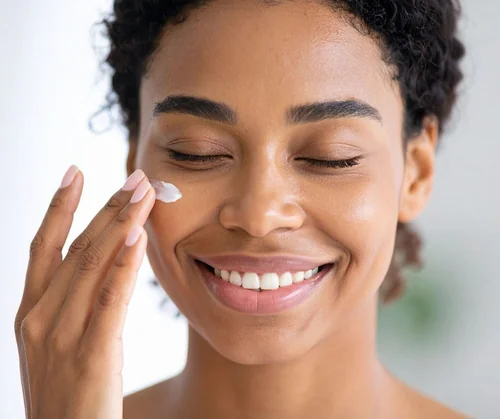
General microneedling aftercare
Microneedling aftercare is mostly about keeping things simple, clean, and protected while your skin settles. Right after microneedling, mild redness, warmth, and a tight, "sunburn-ish" feeling can happen, especially in the first 24 to 48 hours.
Your best move is to stick to gentle cleansing, a basic moisturizer, and daily sunscreen once your provider says it's okay, while avoiding the usual irritants like hot showers, heavy sweating, exfoliants, and strong actives for a few days. Most people can return to normal life quickly, but microneedling downtime depends on how deep the treatment was and whether it was combined with something like RF microneedling or PRP.
Makeup timing is a common question, and many providers recommend waiting at least a full day (sometimes longer) so you're not rubbing products into freshly treated skin. If anything feels "off" like worsening pain, spreading swelling, oozing, fever, or a rash that keeps getting worse, check in with your provider.
This guide is general education and doesn't replace medical advice, so your clinic's aftercare instructions should always come first.
What to expect right after microneedling
Right after microneedling, your skin may look flushed, feel warm, and look a bit puffy, especially around the cheeks and under-eye area. You might also notice tiny pinpoint marks, a sandpapery texture, or a tight feeling that makes you want to slather on everything you own. Totally understandable, but the best microneedling aftercare is usually the boring version.
Your skin's barrier has been temporarily stressed, so your goal is to reduce friction, reduce heat, and avoid ingredients that sting. If you're unsure what counts as "normal," a good reference point is the general overview of microneedling recovery and common side effects from the American Academy of Dermatology's microneedling guide.
Quick mindset shift: microneedling aftercare isn't about doing more. It's about giving your skin a calm window to do its thing.
Microneedling healing stages: what your face may look like by day
Microneedling healing stages can vary, but most people follow a similar pattern. If your microneedling was deeper, done with RF, or combined with strong add-ons, you may stay in each stage a bit longer.
Day 0 (the day of microneedling)
Your skin may look red, feel warm, and feel tighter than usual. Some people also notice mild swelling, especially around the eyes, nose, and mouth where skin is thinner. If you're feeling a little "raw," that's your sign to keep aftercare minimal and avoid rubbing or massaging your face.
What helps most on Day 0:
- Keep hands off your face unless you're cleansing or moisturizing
- Use only what your provider recommended, even if you have "miracle" products at home
- Skip anything that stings, tingles, or makes you look more red
Day 1 (24 hours later)
Redness often starts to calm down, but you may feel dry, tight, or slightly itchy as your skin shifts from "reactive" to "recovering." Some people look totally normal, others still look like they worked out hard. This is also when people accidentally overdo it because they feel better.
What to watch for: if something suddenly starts burning, getting hot again, or looks progressively angrier, that's a clue you used an irritating product too soon or your skin didn't like something.
Days 2 to 3
You may see mild flaking or a textured, "papery" look in certain areas. This can be more noticeable around the mouth, chin, and sides of the nose. It's tempting to exfoliate, but this is the exact moment to avoid it.
If you're tracking microneedling downtime, this is the window where most people feel like they're "almost back," but the skin barrier is still fragile. Think of it like the difference between feeling fine and being fully healed.
Days 4 to 7
Most visible irritation usually settles, and your skin may start to look brighter or smoother. If you're doing a series, this is often when people get excited and want to stack more treatments. It's fine to be excited, just keep your recovery pacing realistic. If you're unsure how your treatment fits into a bigger plan, you can start with microneedling benefits and then build from there.
Microneedling downtime and microneedling recovery time: what actually changes it
Microneedling downtime is one of those things that sounds like a fixed number online, but it's really a range. Two people can both get "microneedling" and have totally different recovery time because the treatment settings, needle depth, and add-ons matter a lot.
Here are the biggest factors that change microneedling recovery time:
- Depth and intensity: Deeper treatments can mean more redness, more swelling, and more flaking.
- Treatment type: RF microneedling and combination treatments can increase downtime.
- Your skin's baseline sensitivity: If you flush easily, have rosacea tendencies, or react to products often, you might stay red longer.
- Post-care choices: Heat, sweating, harsh cleansers, and early actives can stretch recovery out.
- What was treated: Around the mouth and eyes can look more dramatic, even with the same settings.
If you want a straightforward medical overview of microneedling and what people commonly experience during recovery, the Cleveland Clinic's microneedling explainer is a solid baseline.
What to do after microneedling: a simple step-by-step plan
This is the part people actually want: what to do after microneedling without guessing.
The first 6 to 12 hours
- Keep your face clean, but don't over-clean. If your provider told you to wait before washing, follow that. If you do cleanse, use lukewarm water and a gentle cleanser.
- Moisturize with something basic. Think bland, fragrance-free, and barrier-supportive.
- Avoid touching and picking. Even "just checking" can add bacteria and friction.
- Skip workouts and heat. You're trying to avoid extra inflammation and sweating.
The first 24 to 48 hours
- Stick to a gentle routine. Cleanser, moisturizer, and sunscreen (if your provider says it's okay).
- Avoid actives. Retinoids, strong acids, benzoyl peroxide, vitamin C that stings, and harsh toners can be too much too soon.
- Avoid exfoliation. No scrubs, no cleansing brushes, no peels, no "brightening" pads.
- Be careful with pillows and phones. Clean pillowcases and wiping down phone screens sounds obsessive until it saves you from a random breakout.
Days 3 to 7
- Reintroduce products slowly. One active at a time, and stop if you get burning or persistent redness.
- Keep sunscreen consistent. Sun protection matters for anyone, but it's especially important while your skin barrier is recovering.
- Stay gentle around flaky patches. If you're peeling, focus on moisture and patience, not friction.
If your microneedling session felt more intense than expected and you're worried your recovery will be rough, it can help to read microneedling pain so you can compare what you felt to typical experiences and know what questions to ask next time.
What should you not do after microneedling? The do's and don'ts that matter most
Don't do these in the first couple of days (or until your provider clears it)
- Don't use harsh actives (retinoids, strong acids, peroxide-based acne products) if your skin feels even slightly sensitive.
- Don't exfoliate even if you're flaking. Flaking is not an invitation to scrub.
- Don't do hot showers, saunas, steam rooms, or hot yoga. Heat can keep redness and swelling hanging around.
- Don't do heavy workouts that make you sweat a lot, especially the day of and the day after.
- Don't pick at texture or "dry patches." Picking can lead to irritation and post-inflammatory marks.
Do these instead
- Do keep your routine boring. Simple is a strategy, not a lack of effort.
- Do moisturize consistently. Dryness tends to make everything feel worse.
- Do use sunscreen once it's appropriate. Your skin is more reactive during healing.
- Do ask your provider about timing. Aftercare varies depending on device and depth, so their plan matters.
Why can't you shower after microneedling?
You usually can shower, but people ask this because there's a real catch: heat, steam, and pressure can irritate freshly treated skin. A quick, lukewarm shower is often very different from a long, steamy shower where hot water is hitting your face and you're sweating.
If you're trying to be safe with microneedling aftercare, the safer approach is:
- Keep showers lukewarm
- Avoid letting hot water hit your face directly
- Avoid heavy steaming
- Pat dry gently instead of rubbing
If you're unsure about your exact timeline, follow your provider's instructions, especially if you had a deeper session or RF microneedling.
How long after microneedling can I wear makeup?
This is one of the most searched microneedling aftercare questions because makeup feels like "getting back to normal." The hesitation is about friction, ingredient irritation, and putting product onto skin that's still calming down.
Many providers recommend waiting at least 24 hours, and sometimes longer if you're still red, swollen, or noticeably sensitive. If you do wear makeup, treat it like a "gentle test" rather than a full glam moment.
If you're choosing the cautious route:
- Wait until your skin feels calm and not hot
- Use clean brushes and sponges
- Avoid heavy, full-coverage formulas that require a lot of blending
- Remove makeup gently at night with a mild cleanser
If you want to plan around a big event, it helps to schedule treatments with enough buffer time. If you're budgeting your whole plan, microneedling cost can help you map sessions and timing without feeling rushed.
What products should you use after microneedling?
Microneedling aftercare products should be chosen for one thing: barrier support. Your skin does not need a "new routine," it needs a calm routine.
Usually well tolerated
- Gentle cleanser (no exfoliating acids)
- A plain moisturizer that doesn't sting
- A simple hydrating serum if it's non-irritating
- Sunscreen once your provider says it's okay
Often better to pause temporarily
- Retinoids and prescription acne treatments
- Strong acids (glycolic, lactic, salicylic)
- Vitamin C formulas that tingle or sting
- Fragrance-heavy products
- Physical scrubs and rough washcloths
One important note: If you're using any at-home microneedling devices, aftercare is even trickier because device quality and technique vary. If you're considering that route, read microneedling at home first, because safety and infection risk deserve more attention in DIY setups.
How to maximize microneedling results without doing "too much"
People ask how to maximize microneedling results, and the best answer is not a magic serum. It's consistency and timing.
Here's what tends to help results look their best over time:
- Stick to a series if recommended. One session can help, but many people do better with multiple sessions spaced out.
- Protect your skin from the sun. UV exposure makes your skin more reactive and can contribute to uneven tone.
- Don't interrupt healing. Scrubbing, overheating, and rushing actives back in can keep inflammation lingering.
- Choose your next step thoughtfully. If you're also considering exfoliating treatments, it's helpful to understand how microneedling compares to chemical options. See microneedling vs chemical peel to understand the difference in downtime and skin feel.
If you're doing microneedling for texture, fine lines, or acne scarring, it's also smart to make sure you picked the right "lane." If your main concern is more surface-level roughness or dullness, comparison pages like microdermabrasion vs microneedling can help you avoid spending money on the wrong kind of recovery.
What's normal vs what's not after microneedling
Most people get a little nervous the first time because your skin can look temporarily worse before it looks calmer. That doesn't mean something is wrong, it means your skin is reacting to a controlled treatment.
Usually normal
- Mild redness that fades over a couple of days
- A warm or tight feeling
- Mild swelling, especially on thinner areas
- Light flaking or dryness
- Temporary sensitivity to products
Worth checking in about
- Increasing pain instead of calming
- Redness that spreads or worsens after it should be settling
- Pus-like drainage, crusting that looks infected, or fever
- A rash that's getting worse, not better
- Severe swelling around eyes or lips
If you're worried, it's always okay to message your provider. You're not being dramatic. You're being careful.
Aftercare if you're acne-prone, sensitive, or prone to dark marks
Microneedling aftercare can look a little different if your skin is reactive or if you're prone to post-inflammatory hyperpigmentation.
If you're acne-prone:
- Keep your routine ultra simple and avoid heavy occlusive layers that trap heat and oil.
- Avoid picking at any tiny bumps that show up as your skin recovers.
- Ask your provider what they recommend if you're using prescription acne products, because timing matters.
If you're sensitive:
- Patch test reintroducing actives by using them once, then waiting.
- Skip fragrance and "tingle" products for longer than you think you need.
- Keep water lukewarm and cleansing quick.
If you're prone to dark marks:
- Sun protection becomes non-negotiable once your provider clears sunscreen use.
- Avoid unnecessary friction and scrubbing, especially during flaking stages.
- Ask about conservative settings and spacing for future sessions.
If you're doing a series and choosing between similar treatments, it can also help to understand where microneedling sits compared to "needle-adjacent" options like microchanneling. See microchanneling vs microneedling if you're trying to balance downtime and intensity.
What to ask your provider before you leave the appointment
A lot of microneedling aftercare stress comes from leaving the clinic with vague instructions. You deserve specifics.
Ask these before you head out:
- When can I wash my face, and what cleanser should I use?
- When can I wear makeup after microneedling based on my treatment depth?
- When can I exercise and shower normally?
- Which products should I pause, and for how long?
- What's normal for me to see in the first 48 hours?
- If I get a reaction, what should I do and who should I contact?
These questions aren't "extra." They're how you make the experience feel predictable.