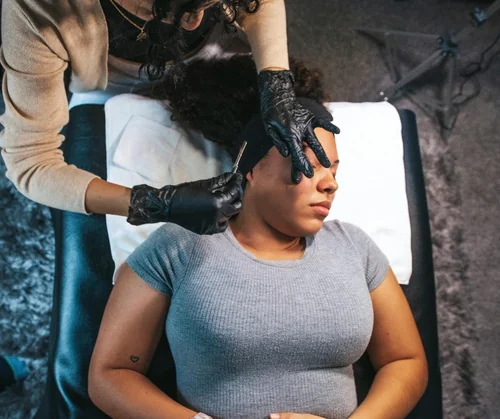
Why Dermaplaning Delivers Instant Skin Transformation
Dermaplaning provides immediately visible results that you can see and feel as soon as the treatment ends. The surgical scalpel removes the entire top layer of dead skin cells that's been dulling your complexion, along with fine vellus hair that traps oil and creates texture issues. This dual-action approach explains why people leave their appointments with noticeably brighter, smoother skin that photographs beautifully and feels incredibly soft to the touch.
The immediate transformation happens because you're literally revealing fresh, undamaged skin cells that were hidden beneath the buildup. Dead skin cells accumulate unevenly across your face, creating rough patches, dry areas, and an overall lackluster appearance. Your skin naturally sheds these cells, but the process slows with age and doesn't always happen uniformly. Dermaplaning manually accelerates this shedding process, giving you weeks of natural cell turnover in a single 30-minute session.
Immediate visible changes include:
- Dramatically smoother skin texture that feels like silk when touched
- Brighter, more radiant complexion from removing dull surface cells
- More even skin tone as dead cell buildup is cleared uniformly
- Smaller-looking pores because debris has been cleared from openings
- Enhanced natural glow as light reflects more evenly off smooth skin
- Makeup that applies flawlessly without catching on texture or fuzz
The vellus hair removal contributes significantly to the instant glow. Fine facial hair, even though it's nearly transparent, affects how light bounces off your skin. It creates a subtle shadow effect that makes your complexion appear duller and less vibrant. Once removed, your skin reflects light more uniformly, creating that coveted "lit from within" appearance. This effect is especially noticeable around your hairline, jawline, and upper lip where vellus hair tends to be slightly darker or denser.
As with any skincare treatment, this information is for educational purposes only and should not replace professional medical advice from qualified providers.
How Dermaplaning Improves Product Absorption
One of the most practical benefits of dermaplaning is how dramatically it enhances your skincare products' effectiveness. When dead skin cells and vellus hair cover your face, they create a physical barrier preventing active ingredients from penetrating where they need to go. Your expensive serums, treatments, and moisturizers sit on top of this barrier rather than sinking into living skin cells where they can actually work.
After dermaplaning, products absorb up to 50% more effectively because there's nothing blocking their path. Hyaluronic acid serums can reach deeper skin layers to provide intense hydration. Vitamin C treatments can penetrate to deliver brightening and antioxidant benefits. Retinoids can work on living cells to stimulate collagen production and cell turnover. Peptide serums can access the areas where they support skin structure and repair.
Products that work better after dermaplaning:
- Hydrating serums with hyaluronic acid penetrate multiple skin layers instead of sitting on the surface. This means you get the full plumping, moisture-retention benefits you're paying for. Your skin can actually hold onto water more effectively when products reach the right depth.
- Vitamin C treatments absorb more completely, delivering stronger brightening effects and better antioxidant protection against environmental damage. You'll see more visible improvements in dark spots and overall radiance when the vitamin C reaches living cells.
- Retinoids and retinol products work more effectively but also penetrate more deeply, so you may need to start with lower concentrations post-dermaplaning. The increased absorption means you get better anti-aging results but should be cautious about irritation.
- Chemical exfoliants like AHAs and BHAs can penetrate more evenly, though you should wait at least 3-5 days post-dermaplaning before using them to avoid over-exfoliation and irritation.
This enhanced absorption creates a compounding effect where your regular skincare routine delivers better results over time. You're not just getting the benefit of dermaplaning itself but also maximizing every product you apply afterward. Many people find they can use less product because it's working more efficiently, which actually saves money despite the treatment cost.
The American Academy of Dermatology notes that proper exfoliation helps skincare products work more effectively by removing the barrier of dead cells.
Is Dermaplaning Good for Your Skin Long Term
Dermaplaning offers cumulative benefits that build over time with regular treatments every 4 to 6 weeks. Each session stimulates your skin's natural renewal processes, encouraging healthier cell turnover and supporting collagen production. While a single treatment provides immediate improvements, consistent dermaplaning can lead to gradually better skin quality, improved texture, and a more even tone that lasts.
Long-term benefits with regular treatments: The mechanical exfoliation triggers a controlled wound response in your skin. This sounds alarming but it's actually beneficial because your skin interprets the gentle scraping as minor trauma that needs healing. In response, it ramps up collagen and elastin production, increases blood flow to the area, and accelerates cell turnover. These healing mechanisms improve your skin's overall health and resilience over months of consistent treatment.
Regular dermaplaning can minimize the appearance of fine lines and wrinkles through this collagen stimulation. While it's not a substitute for more aggressive anti-aging treatments, many people notice their skin looks firmer and smoother after 3 to 4 months of monthly sessions. The reduction in lines comes from both the exfoliation removing dead cells that settle into creases and the increased collagen providing better structural support beneath the skin's surface.
Hyperpigmentation and uneven skin tone often improve with repeated dermaplaning because you're constantly removing the topmost layer where excess melanin accumulates. Sun damage, acne scars, and age spots all involve pigment deposits in the upper skin layers. Regular exfoliation helps fade these deposits gradually as new, more evenly pigmented cells replace them. Results vary based on how deep the pigmentation goes, but surface-level discoloration often shows noticeable improvement after 2 to 3 months.
Potential concerns about long-term use: Some people worry that regular dermaplaning will thin their skin or cause long-term damage. This concern is unfounded when treatments are properly spaced. Dermaplaning removes only dead cells from the stratum corneum (the outermost layer), which your body naturally sheds anyway. As long as you maintain the recommended 4 to 6 week intervals between treatments, your skin has plenty of time to regenerate this protective layer. The living skin beneath remains undamaged.
The treatment doesn't cause premature aging or make skin more fragile over time. In fact, the opposite may be true because you're stimulating renewal processes and keeping pores clear of debris that can lead to damage. However, it's crucial to protect dermaplaned skin from sun exposure with diligent SPF use, as the fresh cells are more vulnerable to UV damage until they mature and build up natural protection.
Does Dermaplaning Cause Acne or Breakouts
Dermaplaning itself doesn't cause acne, but improper technique or timing can trigger breakouts in certain situations. Understanding when dermaplaning helps prevent acne versus when it might cause problems helps you make informed decisions about treatment timing.
How dermaplaning can prevent breakouts: The treatment removes dead skin cells, excess oil, and debris that clog pores and create an environment where acne-causing bacteria thrive. When pores are clear and clean, they're less likely to become inflamed or infected. Many people with occasional breakouts or congested skin find that regular dermaplaning actually reduces their acne frequency because it's keeping pores thoroughly cleaned out.
Dermaplaning also removes vellus hair that can trap oil, dirt, and bacteria against your skin. This hair acts like a net, catching environmental pollutants, makeup residue, and natural sebum. Once removed, your skin stays cleaner between washings because there's nothing to trap debris. People who struggle with blackheads or whiteheads often see improvement after dermaplaning for this reason.
When dermaplaning can cause breakouts: If you have active acne, cystic breakouts, or inflamed pimples, dermaplaning can spread bacteria across your face and worsen the situation. The blade moving from an infected area to clean skin transfers bacteria, potentially creating new breakouts in previously clear zones. This is why reputable providers refuse to dermaplane over active acne and recommend waiting until skin clears.
Post-treatment breakouts can occur if bacteria is introduced to freshly exfoliated skin through contaminated tools, dirty hands, or non-sterile products applied immediately after treatment. Your skin is more vulnerable right after dermaplaning because the protective dead cell layer is gone. Proper sanitation and careful aftercare prevent most of these issues.
Some people experience temporary "purging" where existing congestion surfaces as small whiteheads or pustules in the week following dermaplaning. This isn't new acne but rather existing blockages being pushed out as cell turnover accelerates. Purging typically resolves within 7 to 10 days and shouldn't be confused with an actual acne outbreak.
Understanding the complete dermaplaning process helps you know what to expect and when the treatment is appropriate for your current skin condition.
The Truth About Hair Growing Back Thicker
Hair absolutely does not grow back thicker, darker, or faster after dermaplaning. This myth persists despite being completely false from a biological standpoint. Understanding why this misconception exists helps you feel confident about trying dermaplaning without worrying about unwanted consequences.
Why hair can't grow back different: Hair thickness, color, and growth rate are determined by your hair follicle structure and genetics, not by what happens to the hair shaft above the skin's surface. When you dermaplane, you're cutting the hair at skin level, just like shaving. The follicle beneath your skin remains completely unchanged. Since the follicle controls all hair characteristics, cutting the visible portion can't possibly alter how it grows.
The confusion comes from how regrowth feels during the first week or two. When hair is cut with a blade, the end becomes blunt rather than naturally tapered. This blunt tip can feel slightly coarser or more noticeable when it first emerges through the skin. However, once the hair reaches its full length (typically 3-4 weeks), it looks and feels exactly the same as before dermaplaning. The texture normalizes because the blunt end grows out and the hair returns to its natural taper.
What actually happens with regrowth: Vellus hair (peach fuzz) grows back at the same rate it grew before treatment, usually becoming noticeable again around 2 to 3 weeks post-dermaplaning. The hair is the same fine, light texture and color it was originally. Some people worry they'll develop thick, dark stubble like men get on their faces, but this is impossible because vellus hair and terminal hair (the thick kind) are fundamentally different hair types controlled by different hormones.
Terminal hair, if you have any from hormonal conditions like PCOS, also doesn't change from dermaplaning. However, dermaplaning isn't the ideal treatment for terminal hair because it grows back faster and isn't as fine as vellus hair. Laser hair removal or electrolysis work better for thick, dark facial hair. Dermaplaning is designed for and works best on fine vellus hair.
The only way facial hair patterns change is through hormonal shifts (pregnancy, menopause, medications, or conditions like PCOS), not through removal methods. If you notice your facial hair getting thicker or darker over time, it's due to hormones, not dermaplaning.
Benefits for Makeup Application and Appearance
Dermaplaning transforms how makeup sits on your skin, creating a flawless canvas that makes application easier and results more professional-looking. Makeup artists frequently use dermaplaning before photoshoots, red carpet events, or weddings because it delivers such dramatic improvements in how cosmetics perform.
Foundation and complexion products: Foundation glides on smoothly without catching on dry patches, peach fuzz, or rough texture. You'll need less product because it spreads more evenly and doesn't get absorbed into dead skin cells or trapped in fine hairs. The coverage looks more natural and skin-like rather than sitting obviously on top of your face. Liquid, powder, and cream foundations all apply better, giving you that "your skin but better" finish.
Concealer blends seamlessly without creasing into fine lines or settling into texture. The smooth surface allows you to tap and blend without the product grabbing onto rough spots. Under-eye concealer, in particular, looks more natural because there's no peach fuzz to catch product and create a cakey appearance.
Powder products: Blush, bronzer, and highlighter blend more naturally and look less patchy. Without vellus hair interfering with brush application, color deposits evenly and looks more diffused and professional. Highlighter especially benefits because it reflects off smooth skin rather than catching on texture and creating an uneven, glittery appearance.
Longevity and appearance: Makeup tends to last longer on dermaplaned skin because it adheres better to the smooth surface. You'll notice less fading, separation, or patchiness throughout the day. Your skin's natural texture doesn't work against your makeup by creating valleys where product settles or peaks where it slides off.
Photos and videos look significantly better because there's no peach fuzz creating a fuzzy halo effect in certain lighting. Ring lights and flash photography, in particular, can make vellus hair very visible in images. After dermaplaning, your skin photographs smoothly without that soft-focus fuzziness that can make professional photos disappointing.
Who Benefits Most from Dermaplaning
While dermaplaning works for many skin types, certain people see the most dramatic improvements and get the best return on their investment.
Ideal candidates include: People with dry or normal skin type often see the most impressive results because dermaplaning removes the flaky, dull dead cells that are particularly visible on drier complexions. The treatment reveals the smooth skin underneath and allows moisturizers to work more effectively, addressing the root cause of dryness-related texture issues.
Those with visible vellus hair, especially darker or more dense peach fuzz, notice an immediate brightening effect from hair removal. If you have a slight shadow around your hairline, jawline, or upper lip from vellus hair, dermaplaning eliminates this instantly. People with darker hair against lighter skin see the most dramatic before-and-after difference.
Anyone dealing with rough texture, dullness, or uneven skin tone from sun damage or natural aging benefits from the intensive exfoliation. If your skincare products don't seem to work well or your skin looks tired despite a good routine, dermaplaning might be the reset your complexion needs.
People who wear makeup regularly often become dermaplaning enthusiasts because the improvement in how foundation and other products apply is so noticeable. If you struggle with cakey foundation or products that won't blend smoothly, dermaplaning can be transformative.
Who should choose alternative treatments: Active acne sufferers should wait until breakouts clear before dermaplaning or choose different treatments entirely. People with inflammatory skin conditions like eczema, psoriasis, or severe rosacea during flare periods need to avoid dermaplaning because it can worsen inflammation.
Very sensitive skin that reacts to most treatments may not tolerate dermaplaning well, though some people with sensitivity do fine. A patch test or consultation with an experienced provider helps determine if you're a good candidate despite sensitivity concerns.
Those looking to address very deep acne scars, significant wrinkles, or severe hyperpigmentation need more aggressive treatments. Dermaplaning provides gentle improvements but can't match the results of treatments like laser resurfacing, deep chemical peels, or microneedling for serious texture issues.
How Long Dermaplaning Results Last
Immediate results (day 1-7): Your skin maintains peak smoothness and brightness for the first week post-treatment. This is when results are most dramatic and visible. Your complexion looks refreshed, makeup applies beautifully, and people often comment that you look well-rested or younger. Dead skin cells haven't had time to accumulate yet, and vellus hair is just beginning its regrowth cycle.
Extended results (weeks 2-3): Smoothness and brightness gradually diminish as your natural skin processes resume. Dead skin cells start accumulating again (this is normal and healthy), and vellus hair regrows enough to become slightly noticeable around day 10 to 14. However, your skin still looks better than baseline because you haven't reached full buildup yet. Products continue absorbing well, and the skin renewal benefits from treatment persist.
Return to baseline (weeks 4-6): By week 4, vellus hair has regrown to near its original length and new dead skin cells have accumulated. Your skin returns to its pre-treatment appearance, though some people maintain subtle improvements in texture from the collagen stimulation. This is when you're due for your next treatment if you want to maintain results.
Optimizing result longevity: Proper aftercare extends how long you enjoy dermaplaning benefits. Diligent sun protection prevents UV damage to vulnerable new skin cells, which helps maintain the bright, even tone longer. Using gentle, hydrating products supports skin health without irritating the fresh surface. Avoiding harsh exfoliation or active ingredients for several days post-treatment prevents damage that could shorten result duration.
Understanding dermaplaning costs and treatment frequency helps you budget for regular maintenance that keeps results consistent.
Dermaplaning Benefits Compared to Other Treatments
Dermaplaning vs. chemical peels: Dermaplaning provides immediate smoothness with zero downtime, while chemical peels often require recovery time with peeling, redness, and sensitivity. Dermaplaning is purely mechanical with no chemicals, making it suitable for people who can't tolerate acids or other active ingredients. However, chemical peels can penetrate deeper to address pigmentation and texture issues that dermaplaning can't reach. Many people alternate between the two or combine them for enhanced results.
Dermaplaning vs. microdermabrasion: Both physically exfoliate skin, but microdermabrasion uses abrasive crystals or a diamond tip while dermaplaning uses a blade. Microdermabrasion can feel harsher and may cause more redness, especially on sensitive skin. Dermaplaning removes vellus hair while microdermabrasion doesn't, giving dermaplaning an edge for people bothered by peach fuzz. Microdermabrasion may work better for very oily or thick skin that needs aggressive exfoliation.
Dermaplaning vs. laser treatments: Laser treatments address deeper skin concerns like significant sun damage, vascular issues, or extensive hyperpigmentation that dermaplaning can't improve. However, lasers require more downtime, cost significantly more, and carry higher complication risks. Dermaplaning is a good "gateway" treatment for people who want to improve their skin but aren't ready for laser intensity or expense.
Dermaplaning vs. microneedling: Microneedling creates controlled injury to stimulate collagen production more aggressively than dermaplaning. It works better for acne scars, deeper wrinkles, and significant texture issues. However, microneedling requires more downtime and can't be done as frequently. Dermaplaning provides gentler, more frequent exfoliation with immediate smoothing benefits that microneedling doesn't offer.
Is Dermaplaning Worth It
Whether dermaplaning is worth the investment depends on your specific skin goals, budget, and how much you value the particular benefits it provides.
It's worth it if you:
- Want immediate, visible results without downtime for an upcoming event or photoshoot
- Struggle with dull, rough skin texture that doesn't improve with regular exfoliation
- Have noticeable vellus hair that bothers you or creates a shadow effect
- Find that your expensive skincare products don't seem to work well
- Need a gentle exfoliation method because your skin is too sensitive for acids or harsh scrubs
- Want to improve how your makeup applies and looks in photos
- Enjoy the ritual of professional skincare treatments and have the budget for regular maintenance
It might not be worth it if you:
- Have active acne or inflammatory skin conditions that make you a poor candidate
- Can't afford the $100-250 per session cost for regular treatments every 4-6 weeks
- Already have smooth skin texture and minimal vellus hair
- Are looking for dramatic anti-aging results or correction of deep acne scars
- Prefer at-home dermaplaning and don't mind the difference in results quality
- Need more aggressive treatments for your specific concerns
Cost-benefit analysis: At $100-250 per session, dermaplaning costs less than laser treatments or intensive peels but more than basic facials. If you get it monthly, annual costs run $1,200-3,000, which is significant. However, many people find the immediate results and cumulative benefits justify the expense, especially when factoring in improved product absorption that maximizes their skincare investment.
Some providers offer package deals that reduce per-session cost. Getting 4-6 treatments upfront typically saves 10-20% compared to individual sessions. This makes regular maintenance more affordable if you're committed to consistent treatments.
The value also depends on how much you care about the specific benefits. If smooth, hair-free skin and flawless makeup application matter a lot to you, dermaplaning delivers these outcomes reliably. If you're indifferent about peach fuzz and your skin texture doesn't bother you, the money might be better spent on treatments targeting concerns you care more about.