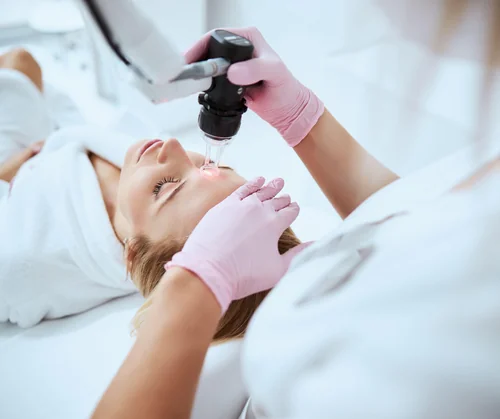
Everything You Need to Know About Full Face CO2 Laser
Full face CO2 laser resurfacing vaporizes the entire surface layer of your skin using targeted light energy, triggering your body to rebuild fresh collagen and skin cells across your whole face. Unlike fractional treatments that leave surrounding tissue untouched, a full face approach treats every area from your forehead to your jawline in a single session.
The procedure typically takes 30-90 minutes under sedation or general anesthesia, and you'll spend 10-14 days healing at home while your skin sheds and regenerates. Most people see their most noticeable improvements around the three-month mark, once redness fades and new collagen fully develops.
This treatment works best for moderate to severe aging concerns like deep wrinkles, significant sun damage, and textural irregularities that haven't responded to gentler options. Because the laser removes your skin's protective barrier entirely, full face resurfacing requires careful provider selection and strict aftercare. Results can last several years with proper sun protection, though your skin will continue aging naturally. Keep in mind that CO2 laser treatments vary widely in intensity and outcomes can depend significantly on provider experience, making thorough research essential before committing to treatment.
What Actually Happens During Full Face CO2 Laser Treatment
Your provider starts by thoroughly cleansing your skin and applying a topical numbing cream about 30-45 minutes before the procedure begins. For full face treatments, most practices use IV sedation or general anesthesia since treating the entire face involves more discomfort than smaller zones. Once you're sedated, your provider adjusts the laser settings based on your skin concerns, choosing deeper settings for areas with severe wrinkles or scarring and lighter passes for thinner skin around your eyes.
The treatment itself involves several key steps:
- Systematic passes across treatment zones. Your provider moves the laser handpiece methodically across your face in overlapping patterns, ensuring even coverage from your hairline to your jaw. Each pulse creates a controlled wound that removes microscopic columns of tissue. You'll hear a soft popping sound and might notice a faint burning smell as the laser vaporizes skin cells.
- Multiple depth adjustments for different areas. Thicker skin on your cheeks and forehead can handle more aggressive settings, while delicate areas like your eyelids and around your mouth need gentler treatment. Your provider may make two or three passes over stubborn areas with deep wrinkles or scars, removing progressively deeper tissue layers.
- Immediate cooling and protective barrier application. As soon as the laser work finishes, your provider applies ice packs or cooling masks to minimize swelling and soothe heat. They'll coat your entire face in a thick healing ointment, which you'll need to maintain constantly during the first few days of recovery.
The whole process usually takes between 30 and 90 minutes depending on how aggressively your provider needs to treat different zones. You won't leave the office looking normal—your face will be bright red, swollen, and covered in ointment. Most practices won't let you drive yourself home after sedation, so plan for someone to pick you up.
Breaking Down Full Face CO2 Laser Recovery Week by Week
Recovery from full face CO2 laser resurfacing demands serious commitment and lifestyle adjustments that many people underestimate going in. Your face essentially becomes an open wound that needs constant attention to heal properly and avoid complications like scarring or infection. Medical professionals typically quote 10-14 days before you're "presentable," but that timeline only covers the initial healing phase when your skin stops oozing and crusting.
Days 1-3: Peak discomfort and intensive care. Your face will be intensely swollen, hot, and raw during the first 72 hours after treatment. You'll need to apply thick healing ointment every 2-3 hours, including overnight, to keep your skin constantly moist. Many people describe this phase as feeling like a severe sunburn combined with tightness and stinging. You'll likely sleep propped up on multiple pillows to reduce facial swelling and you might need prescription pain medication to stay comfortable.
Days 4-7: Peeling and bronzing begins. Around day four, your skin starts developing a brown, leathery appearance as the damaged surface layer dries out and prepares to shed. This "bronzing" looks alarming but it's completely normal. Large sheets of skin will start peeling off, revealing pink, shiny new skin underneath. Resist any temptation to pull at peeling skin—let it come off naturally to avoid scarring. You'll switch from heavy ointment to a gentler moisturizer during this phase as your skin starts producing its own moisture again.
Days 8-14: Pink but presentable. By the end of week two, most of the visible peeling has finished and you're left with bright pink skin that looks somewhat like a fresh chemical peel. Many people return to work at this point wearing makeup to tone down the pinkness. Your skin will feel tight, sensitive, and slightly rough to the touch. You'll need to avoid direct sun exposure completely and wear mineral sunscreen anytime you step outside.
Weeks 3-12: The long fade to normal. This extended phase involves waiting for persistent pinkness to gradually fade and for new collagen to fill in wrinkles and texture issues. Your skin might develop temporary bumps or rough patches as it regenerates, and some people experience temporary hyperpigmentation that takes months to resolve. You won't see your final results until at least three months post-treatment, when collagen remodeling reaches its peak. Some residual pinkness can linger for 6-12 months depending on how aggressively you were treated.
The downtime reality for CO2 laser treatments often catches people off guard. You're not just red for a few days—you're dealing with a weeks-long healing process that impacts your daily life, social commitments, and requires meticulous skincare discipline.
Full Face CO2 Laser Resurfacing Results: What Changes and What Doesn't
The most dramatic improvements from full face CO2 laser typically show up in skin texture and fine-to-moderate wrinkles. Your skin should feel noticeably smoother once healing completes, with the rough, leathery quality from sun damage significantly reduced. Static wrinkles around your mouth, eyes, and forehead often soften by 50-70%, though deeper expression lines won't disappear entirely. Many people notice their pores look smaller and their overall complexion appears more even-toned as hyperpigmentation and sun spots fade.
What typically improves after full face treatment:
- Surface texture irregularities and rough patches. Acne scars, shallow ice pick scars, and general skin roughness respond particularly well to aggressive resurfacing since the laser removes damaged tissue and stimulates organized collagen regrowth. Your skin should feel soft and smooth to the touch rather than bumpy or uneven.
- Superficial to moderate wrinkles and creases. Lines caused by sun damage and skin thinning tend to improve dramatically, while wrinkles from repetitive muscle movement see more modest changes. Your perioral lines (around your mouth) and periorbital lines (around your eyes) should look less etched into your skin.
- Overall skin tone and discoloration. Age spots, freckles, and uneven pigmentation often clear up as fresh, unblemished skin replaces the damaged surface. Your face may look brighter and more uniform in color, though results vary significantly based on your baseline skin tone and damage level.
What doesn't change or changes minimally:
- Deep expression lines and dynamic wrinkles. If your wrinkles are primarily caused by muscle movement rather than skin damage, you'll need neurotoxin injections to see major improvement. The laser can soften these lines but won't eliminate them entirely.
- Significant skin laxity and sagging. CO2 laser provides mild skin tightening through collagen contraction, but it won't lift sagging jowls or severe facial drooping the way surgical procedures can. Think of it as improving texture rather than repositioning tissue.
- Pore size and oil production. While pores may appear slightly smaller initially, this effect tends to be temporary. The laser doesn't fundamentally change how much oil your skin produces or the genetic factors that determine pore diameter.
One session of full face CO2 laser resurfacing can deliver results that last 5-7 years for many people, though your skin continues aging naturally. The collagen you build during the healing process provides lasting structural support, but new sun damage, continued expressions, and natural aging processes will gradually reintroduce wrinkles and texture issues. Maintenance treatments every few years can extend your results, though many providers recommend waiting at least 12-18 months between aggressive full face sessions to avoid compounding skin damage.
How Much Does Full Face CO2 Laser Resurfacing Actually Cost
Full face CO2 laser resurfacing typically runs between $2,500 and $6,000 per session, with most people paying around $3,500-$4,500 for treatment at an established medical practice. This price usually includes the procedure itself, anesthesia fees, and immediate post-treatment care, but it rarely covers the prescription medications, specialized skincare products, and follow-up appointments you'll need during recovery. Geographic location dramatically impacts pricing—expect to pay premium rates in major metropolitan areas where overhead costs run higher and demand exceeds supply.
Factors that push costs higher include:
- Provider credentials and specialization level. Board-certified plastic surgeons and dermatologists with extensive laser experience typically charge 30-50% more than general practitioners or medical aestheticians. Their higher fees often reflect better outcomes and lower complication rates, particularly for full face treatments that carry more risk than targeted zones.
- Laser technology and equipment quality. Newer fractional CO2 systems with advanced cooling mechanisms and precise depth control cost providers significantly more to purchase and maintain. These upgraded technologies may justify higher treatment prices through better results and more comfortable recovery, though older systems can still deliver excellent outcomes in experienced hands.
- Anesthesia type and sedation depth. Local numbing with oral sedation costs less than IV sedation, which costs less than general anesthesia. Full face treatments almost always require at least IV sedation for patient comfort, adding $500-$1,200 to your total bill depending on the anesthesiologist's fees and sedation duration.
- Combined procedures and package deals. Many providers offer better per-treatment pricing when you combine CO2 laser with complementary procedures like blepharoplasty or brow lifts. However, adding procedures increases your total upfront cost and may complicate recovery, so make sure you actually want the additional work rather than just chasing a discount.
Budget an additional $300-$600 for recovery supplies and medications beyond the treatment fee. You'll need prescription antivirals to prevent herpes outbreaks, antibiotics to reduce infection risk, prescription-strength healing ointments, gentle cleansers, specialized post-laser moisturizers, and mineral-based sunscreen. Some providers include these items in their treatment packages, but many don't, leaving you to fill multiple prescriptions and purchase recommended products separately.
Very few insurance plans cover CO2 laser resurfacing since it's considered cosmetic rather than medically necessary, even when treating precancerous lesions or severe acne scarring. You can explore healthcare financing options through companies like CareCredit or Alphaeon that offer payment plans specifically for aesthetic procedures. Interest rates and approval criteria vary significantly, so compare multiple financing sources before committing. For detailed breakdowns of treatment pricing factors, check out the complete CO2 laser cost guide.
Full Face vs. Targeted CO2 Laser: Which Approach Makes Sense
Choosing between full face coverage and targeted zone treatment involves balancing your skin concerns against your tolerance for downtime and your budget. Full face resurfacing creates uniform improvement across your entire complexion, eliminating the line of demarcation that sometimes shows when you only treat specific areas. If you have widespread sun damage, overall texture issues, or want comprehensive rejuvenation, treating everything at once often delivers more satisfying aesthetic results than piecemeal approaches.
Targeted treatments work well when your concerns concentrate in specific zones like around your mouth, under your eyes, or across your forehead. Treating just one area typically costs 40-60% less than full face coverage and involves significantly shorter recovery since you're not dealing with an entirely raw face. You can more easily hide localized redness and peeling, making it easier to maintain work and social commitments during healing. However, color and texture mismatches between treated and untreated areas can create an uneven appearance that bothers some people.
The mechanics of how CO2 laser works stay consistent whether you're treating your whole face or isolated zones—the main difference lies in how much surface area you're wounding and how that impacts your recovery timeline and final aesthetic outcome. Consider starting with targeted treatment in your most bothersome area to test your tolerance for the recovery process before committing to full face coverage. Some people discover they're satisfied with partial results and don't need the additional investment and downtime that comes with treating everything.
Provider recommendations vary significantly based on their assessment of your skin. Some practitioners strongly prefer full face approaches to avoid demarcation lines, while others successfully treat zones in stages over several years. Your best move involves consulting with multiple experienced providers to hear different perspectives on what makes sense for your specific aging pattern and lifestyle constraints.
Pain Levels and Comfort During Full Face CO2 Laser Treatment
Pain during the actual procedure depends almost entirely on your anesthesia method. With proper IV sedation or general anesthesia, you won't feel anything during treatment and won't remember the procedure afterward. Providers who use only topical numbing cream and oral anxiety medication leave you more conscious during treatment, which means you'll likely feel significant discomfort as the laser works across your face. Most people describe this sensation as intense stinging and burning that's difficult to tolerate for a full face session without stronger sedation.
The recovery phase brings substantially more discomfort than the procedure itself for most people. The first 48-72 hours after treatment typically involve constant burning, stinging, and tightness as your skin swells and begins its inflammatory healing response. Many people compare the sensation to severe sunburn combined with the tight, itchy feeling of extremely dry skin. Prescription pain medication helps manage the worst discomfort, though some people find that even strong painkillers don't completely eliminate the burning sensation.
The most uncomfortable aspects of recovery include:
- Facial swelling and pressure. Your face can swell to the point where your eyes are partially closed and your skin feels drum-tight. This pressure sensation often causes headaches and difficulty sleeping during the first few nights. Keeping your head elevated and using cold compresses helps minimize swelling, though you'll still experience significant puffiness.
- Raw, burning skin sensitivity. Every touch, facial movement, and exposure to air can trigger fresh waves of stinging for the first week. Applying healing ointment provides temporary relief, but the constant reapplication means repeatedly touching tender skin. You'll need to sleep on your back to avoid contact with pillows, which many people find uncomfortable.
- Itching during the peeling phase. As your skin starts to shed around days 4-7, intense itching often replaces burning as your primary discomfort. You can't scratch without risking scarring, which makes the itching particularly frustrating to manage. Cool compresses and antihistamines provide some relief, but you'll spend days fighting the urge to touch your face.
The intensity of your recovery discomfort correlates directly with how aggressively your provider treated your skin. Deeper settings that remove more tissue layers cause more pain but typically deliver more dramatic results. Lighter full face treatments with gentler settings create less severe discomfort but may require multiple sessions to achieve your goals. Discuss your pain tolerance honestly with your provider during consultation so they can adjust treatment depth and recommend appropriate pain management strategies for your recovery.
Who Should Avoid Full Face CO2 Laser Resurfacing
Certain skin types and medical conditions make full face CO2 laser resurfacing too risky to consider. People with darker skin tones (Fitzpatrick types IV-VI) face significantly higher chances of post-inflammatory hyperpigmentation and permanent pigment changes from aggressive ablative treatments. While some experienced providers successfully treat darker skin with carefully adjusted settings, the risk-benefit ratio often doesn't make sense compared to gentler resurfacing options that carry lower complication rates.
Medical and lifestyle factors that disqualify you from treatment:
- Active acne, infections, or inflammatory skin conditions. Treating compromised skin with CO2 laser dramatically increases infection risk and poor healing outcomes. Your skin needs to be completely healthy and stable for at least several months before undergoing aggressive resurfacing. Conditions like rosacea, eczema, or active breakouts need to be controlled first.
- History of abnormal scarring or keloid formation. If your body tends to create raised, thick scars in response to injury, you'll likely develop similar scarring problems from laser resurfacing. Providers should refuse treatment if you've had keloids or hypertrophic scars from previous procedures or injuries.
- Recent isotretinoin (Accutane) use. You must wait at least 6-12 months after stopping Accutane before considering CO2 laser resurfacing. The medication affects your skin's healing capacity for months after discontinuation, dramatically increasing scarring risk during that window.
- Smoking or nicotine product use. Nicotine severely impairs skin healing by restricting blood flow and oxygen delivery to wounded tissue. Most providers require you to quit all nicotine products for at least 2-4 weeks before treatment and throughout your recovery period. If you can't commit to quitting, you shouldn't undergo full face resurfacing.
- Unrealistic expectations or poor understanding of recovery. If you believe you'll look perfect immediately after treatment or think you can return to work within a few days, you need more education before proceeding. The recovery demands significant time off work, social isolation, and meticulous skincare adherence that many people underestimate.
Pregnancy and breastfeeding represent temporary contraindications—you'll need to wait until you're no longer nursing before scheduling treatment. Certain medications including blood thinners, immune suppressants, and some antibiotics can interfere with healing or increase complications. Provide your complete medication list to your provider during consultation so they can identify any problematic interactions that would require medication adjustments before proceeding.
People seeking subtle, gradual improvements often find full face CO2 laser more aggressive than necessary for their goals. If you're hoping to look slightly refreshed without obvious intervention, gentler treatments like fractional laser, chemical peels, or microneedling might better match your expectations. The dramatic downtime and noticeable transformation from full face resurfacing suits people who want significant change and can accommodate the recovery demands.
Comparing Full Face CO2 Laser to Other Skin Resurfacing Options
Full face CO2 laser resurfacing sits at the aggressive end of the skin rejuvenation spectrum, delivering more dramatic results than gentler alternatives but demanding significantly more recovery time and carrying higher complication risks. Fractional CO2 laser treats only a portion of your skin's surface in a grid pattern, leaving surrounding tissue intact to speed healing. This fractional approach typically involves 3-7 days of downtime instead of 2+ weeks, making it more manageable for people who can't take extended time away from work or social obligations.
Chemical peels create similar exfoliation and collagen stimulation through acid application rather than laser energy. Deep phenol peels can rival CO2 laser results for wrinkle reduction and texture improvement, though they also require extensive downtime and carry permanent pigment-lightening effects. Medium-depth TCA peels offer moderate improvements with 7-10 days recovery, positioning them between fractional and full ablative CO2 in terms of both results and downtime.
How different treatments compare for common concerns:
- Deep wrinkles and severe sun damage. Full face CO2 laser and deep chemical peels typically outperform all other options for reversing significant skin aging. Microneedling and fractional treatments can improve these concerns but usually require multiple sessions and won't achieve the same degree of transformation.
- Acne scarring and textural irregularities. CO2 laser excels at treating uneven texture since it removes damaged tissue layers and stimulates organized collagen regrowth. Subcision and dermal fillers work better for deep, tethered scars, while fractional treatments handle broader textural issues with less downtime.
- Overall skin tone and pigmentation issues. Intense pulsed light (IPL) and gentler chemical peels specifically target pigment without the extended recovery that comes with full resurfacing. If your main concern involves brown spots and redness rather than wrinkles and texture, these focused treatments often make more sense.
The "best" treatment depends on matching intervention intensity to your concerns, lifestyle, and risk tolerance. Full face CO2 laser makes sense when you have multiple severe aging signs, can accommodate 2+ weeks of strict recovery, and want maximum improvement from a single procedure. People with busy schedules or milder concerns often get better real-world outcomes from less aggressive treatments they can actually complete and recover from successfully.
Understanding under-eye CO2 laser treatment can help you decide if targeting specific high-concern zones makes more sense than committing to full face coverage right away.