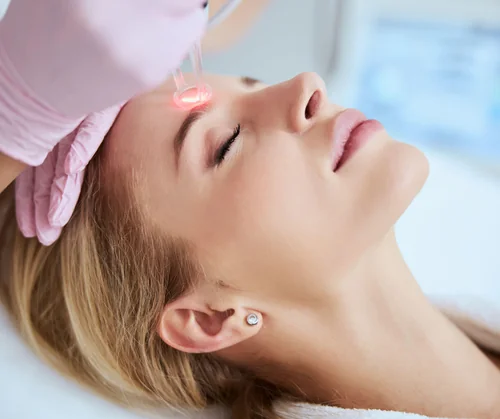
What CO2 Laser Downtime Really Looks Like
CO2 laser downtime refers to the period when your skin is visibly healing after treatment, requiring you to stay home from work and social activities while managing redness, swelling, peeling, and raw-looking skin. For fractional CO2 laser resurfacing, most people need 5-10 days before they can resume normal activities with makeup covering residual pinkness. Full ablative treatments require 10-14 days of more intensive recovery before you're comfortable being seen publicly.
The healing process isn't just about physical appearance but also about discomfort management, strict aftercare routines, and protecting extremely vulnerable new skin as it forms. During the first few days, you'll apply healing ointment every few hours, cleanse gently multiple times daily, avoid sun exposure completely, and resist the urge to pick at peeling skin. This intensive care period demands time, patience, and commitment to following provider instructions precisely.
Understanding how CO2 laser works helps explain why recovery is necessary. The laser vaporizes damaged outer skin layers while heating deeper tissue to trigger collagen production. Your body must regenerate entirely new surface skin while remodeling collagen underneath, which takes time and creates the visible healing stages you'll experience.
As with any medical procedure, this information is for educational purposes and should not replace professional consultation with qualified providers who can assess your individual healing capacity.
Factors affecting your downtime length:
- Treatment intensity and depth determine healing speed more than any other factor. Light fractional settings heal in 4-5 days while aggressive full ablative requires 14-21 days. Your provider customizes intensity based on your concerns and tolerance for recovery.
- Treatment area size influences overall recovery burden on your body. Full face resurfacing creates more extensive injury than treating only around the eyes or mouth, potentially extending healing time and increasing swelling.
- Your age and natural healing capacity play significant roles. Younger patients with robust healing mechanisms typically recover faster than older patients or those with compromised healing from smoking, diabetes, or autoimmune conditions.
- Skin type and tone affect healing patterns. Darker skin tones face longer recovery due to higher pigmentation risk requiring conservative settings and extended sun avoidance. Lighter skin typically heals more predictably.
- How meticulously you follow aftercare instructions dramatically impacts healing speed and quality. Skipping ointment applications, picking at skin, or sun exposure can extend recovery by weeks and compromise results.
CO2 Laser Recovery Timeline Day by Day
Days 1-2: Raw and swollen phase
- Your skin looks alarmingly red, swollen, and raw, resembling severe sunburn. This shocking appearance is completely normal. Swelling peaks at 24-48 hours, particularly around eyes.
- The area feels hot, tight, and uncomfortable. Ice packs provide relief. Sleep elevated on 2-3 pillows to minimize fluid accumulation.
- Cleanse gently 2-3 times daily with prescribed cleanser and immediately apply thick healing ointment. Skin must stay moist to prevent crusting.
- Oozing clear fluid is normal. Gently blot with clean gauze. Missing ointment applications allows crusting that increases scarring risk.
Days 3-5: Bronzing and peeling phase
- Treated skin develops bronze or brownish appearance as damaged layer separates. Peeling starts around day 3-4 as old tissue sheds.
- Resist the urge to pick or peel flaking skin. Let it slough naturally while keeping heavily moisturized. Forcing skin off creates scarring risk.
- Swelling subsides considerably by day 5. Discomfort lessens significantly though intense itching may develop as new skin forms.
Days 6-10: Pink new skin emergence
- Pink fresh skin appears as old tissue sheds. Texture improvement is dramatically visible even though color remains pink.
- Most people return to work around day 7-10 with makeup covering redness. Choose gentle, mineral-based makeup.
- Transition from heavy ointment to lighter moisturizer around day 7-10. Strict SPF 50+ sun protection becomes critical.
- Skin feels tight and dry. Drink plenty of water and moisturize frequently to support healing.
Weeks 2-4: Fading redness phase
- Bright pink gradually fades to lighter pink over 2-4 weeks. You can resume most activities including exercise by week 2-3.
- Makeup coverage becomes easier as redness diminishes. Skin texture continues refining as collagen production accelerates.
Months 2-6: Continued improvement
- Residual pinkness can persist 2-4 months after aggressive treatments. Collagen remodeling continues producing progressive tightening over 4-6 months.
- You can resume retinoids and acids around 6-8 weeks post-treatment. Most people reach final results around month 6.
According to the American Board of Cosmetic Surgery, proper post-treatment care significantly influences both healing time and final results quality.
How Long CO2 Laser Healing Time Actually Takes
Complete healing from CO2 laser resurfacing occurs over 6-8 weeks for fractional treatments and 8-12 weeks for full ablative, though surface skin re-forms within 7-14 days. Understanding the difference between "social downtime" (when you can be seen publicly) and complete healing (when skin fully matures) helps set realistic expectations.
Social downtime benchmarks:
- Fractional CO2 (light to moderate): 5-7 days until you can resume work and social activities with makeup
- Fractional CO2 (aggressive): 7-10 days until comfortable appearing in public
- Full ablative CO2: 10-14 days minimum before most people venture out even with makeup
- Under-eye CO2 laser alone: 7-10 days but swelling around eyes can take longer to fully resolve
Complete healing milestones:
- New surface skin forms: 7-14 days depending on intensity
- All redness fades: 4-12 weeks with most fading in first 6 weeks
- Collagen remodeling completes: 4-6 months for final tightening
- Skin texture stabilizes: 6-8 weeks when you can resume all normal skincare
Activities resumption timeline:
- Gentle facial cleansing: Immediately, 2-3 times daily
- Makeup application: Day 7-14 once peeling completes
- Exercise and sweating: Week 2-3 starting with light activity
- Swimming pools/hot tubs: Week 4-6 after complete re-epithelialization
- Sun exposure (even with sunscreen): Minimize for 3 months minimum
- Retinoids and acids: Week 6-8 with provider clearance
Managing CO2 Laser Resurfacing Downtime Successfully
Successful downtime management requires advance planning, realistic expectations, strict adherence to aftercare protocols, and patience with the healing process. Most complications and extended recovery stem from inadequate preparation or poor aftercare compliance.
Pre-treatment preparation:
- Schedule when you can take adequate time off without stress. Don't plan CO2 laser before important events.
- Stock aftercare supplies: healing ointment, gentle cleanser, ice packs, clean pillowcases, hat, SPF 50+, entertainment.
- Arrange childcare and household help for days 1-5. Prepare easy meals or ask family to handle cooking.
- Set up comfortable recovery space with everything within reach.
During healing essentials:
- Apply ointment every 2-3 hours initially. Missing applications allows crusting that increases scarring risk.
- Cleanse gently as directed, pat dry, and immediately reapply ointment.
- Use ice packs for 15 minutes every few hours during days 1-3 to control swelling.
- Sleep elevated throughout the first week to minimize facial swelling.
- Drink plenty of water to support healing. Avoid picking at peeling skin no matter how tempting.
Pain management:
- Most people manage with over-the-counter pain medication like acetaminophen or ibuprofen.
- Ice packs provide more relief than medication for many. Use liberally during first 72 hours.
- Distraction through movies, books, or podcasts helps time pass faster.
Warning signs requiring immediate provider contact:
- Increasing redness, warmth, swelling, or pain after day 3 (possible infection)
- Yellow or green discharge, foul odor (definite infection)
- Fever or chills (systemic infection)
- Skin that won't re-epithelialize after 10-14 days
- Extreme pain not controlled by prescribed medications
- Signs of eyelid pulling (ectropion) if eyes were treated
Fractional vs. Full Ablative CO2 Laser Downtime Differences
Fractional CO2 laser creates thousands of microscopic treatment columns surrounded by untreated skin that speeds healing dramatically compared to full ablative treatment that removes the entire surface layer. This fundamental difference explains the significant downtime variation between the two approaches.
Fractional CO2 downtime advantages:
- 5-10 day recovery versus 10-21 days for full ablative makes fractional practical for people with jobs, families, and limited time off
- Lower complication risk including infection, scarring, and pigmentation changes because untreated skin between treatment zones supports faster healing
- Less intensive aftercare burden with shorter ointment-only period and quicker transition to normal skincare
- Ability to treat off-face areas like neck and chest more safely due to faster healing in these higher-risk zones
- Option to repeat treatments every 6-12 months to build results progressively if one session doesn't fully meet goals
Full ablative CO2 downtime realities:
- 10-14 days minimum before appearing in public even with makeup, often extending to 14-21 days for complete comfort
- More intense discomfort during healing with greater swelling, oozing, and raw appearance that can be psychologically difficult
- Longer period requiring constant ointment application and protective bandaging in some cases
- Higher complication risk requiring more careful monitoring and potentially more follow-up visits
- Extended social isolation that can be emotionally challenging for some people
- More dramatic results justifying the intensive recovery for people with severe damage
When full ablative downtime is worthwhile:
- Severe photoaging, deep wrinkles, or extensive scarring that won't adequately improve with fractional treatment
- Combining with facial surgery where you're already committing to significant recovery time
- Ability to take 2-3 weeks completely off work and social obligations without stress
- Strong healing capacity and lower complication risk based on age, health, and skin type
- Desire for one dramatic treatment rather than multiple fractional sessions spread over time
Understanding full face CO2 laser resurfacing helps you determine which intensity level matches your concerns and lifestyle.
When You Can Wear Makeup After CO2 Laser
Most people can apply makeup 7-14 days after fractional CO2 laser once peeling has completely finished and new skin has formed, though some providers clear patients as early as day 5-7 for light fractional treatments. The exact timing depends on treatment intensity and your individual healing progression rather than a fixed number of days.
Makeup readiness indicators:
- All flaking has completely shed leaving only pink new skin. No residual dry patches remain.
- Skin surface feels smooth rather than rough. No oozing, bleeding, or raw areas exist.
- Your provider has specifically cleared you for makeup at follow-up. Don't assume without confirmation.
Best makeup choices:
- Mineral-based foundations with zinc oxide or titanium dioxide provide coverage while adding sun protection
- Tinted mineral sunscreens serve double duty
- Green-tinted color correctors neutralize redness before foundation
- Cream or liquid formulas apply more gently than powders
- Avoid fragrance, acids, retinol, or active ingredients
Application tips:
- Apply with gentle patting motions rather than rubbing
- Remove with ultra-gentle cleansers
- Keep makeup brushes scrupulously clean to prevent infection
Minimizing Redness After CO2 Laser Treatment
Redness after CO2 laser is inevitable and typically lasts 4-8 weeks for fractional treatments and 8-12 weeks for full ablative, though some residual pinkness can persist up to 6 months in fair-skinned individuals or after aggressive treatments. While you can't eliminate redness, several strategies help minimize duration and intensity.
Immediate post-treatment redness control:
- Ice packs during first 48-72 hours reduce inflammation. Sleep elevated to prevent blood pooling.
- Avoid hot showers, exercise, alcohol, and spicy foods during the first week to prevent flushing.
- Consistent ointment application keeps skin moist, preventing inflammation from dryness.
Ongoing redness management:
- Strict sun avoidance and SPF 50+ prevents UV-induced inflammation that prolongs redness
- Gentle skincare without harsh products allows healing without additional inflammation
- Some providers recommend anti-inflammatory treatments like arnica gel or vitamin K cream
Camouflage while healing:
- Green-tinted primers neutralize redness better than heavy foundation
- Sheer to medium coverage looks more natural than full coverage
- Use powder sparingly as it can emphasize dry patches
Understanding CO2 laser cost includes factoring in time off work during recovery, which represents additional financial impact beyond the procedure fee itself.
Going Back to Work During CO2 Laser Recovery
Most people return to in-person work 7-10 days after fractional CO2 laser when they can cover residual pinkness with makeup and feel comfortable being seen. Remote work is possible as early as day 3-5 if you can keep your camera off and don't have video meetings. Full ablative treatment typically requires 10-14 days minimum before feeling work-ready.
Work-from-home timeline:
- Days 1-3: Unlikely to work effectively due to discomfort and intensive care requirements
- Days 4-7: Can handle email and phone calls if you skip video meetings
- Days 8+: Can resume normal remote work including video calls with makeup coverage
In-person work considerations:
- Professional environment matters. Creative workplaces are more forgiving than conservative corporate settings.
- Client-facing roles may require waiting until day 10-12 versus behind-the-scenes positions at day 7-8.
- Lighting affects how noticeable redness appears. Gauge your specific environment.
Strategies for work return:
- Time treatment around holidays or long weekends to extend recovery
- Combine sick days, vacation, and remote work to stretch healing time
- Be honest with supervisors about medical procedure for more flexibility