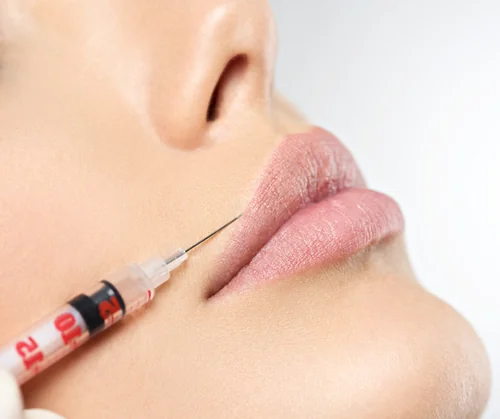
Quick Answer: How Long Botox Results Last
For most people, Botox results last 3-4 months. According to the American Academy of Dermatology, improvements typically become visible within 3-7 days and last about 3-4 months, sometimes longer.
However, this is an average, and your experience may vary based on several factors:
- Treatment area: Muscles that move more frequently may metabolize the neurotoxin faster
- Metabolism: People with faster metabolisms typically see results fade sooner
- Dosage: The number of units used affects how long results last
- Muscle strength: Stronger facial muscles may break down Botox more quickly
- Treatment frequency: Regular treatments can lead to longer-lasting results over time
First-time users often notice results fading closer to the 2-3 month mark, while people who've had multiple treatments may find their results lasting 4-6 months.
Understanding the Botox Results Timeline
Knowing what to expect at each stage helps you plan your schedule and set realistic expectations for when you'll see results and when you'll need a touch-up.
Days 1-3: The Settling Period
Immediately after your appointment, you won't see any changes. Botox blocks nerve signals to muscles, and these effects take time to develop. During these first few days, you might notice minor redness or slight swelling at injection sites, but the neurotoxin is already beginning its work beneath the surface as it binds to nerve receptors.
Days 3-7: Early Results Appear
This is when most people start noticing subtle changes. The treated muscles begin to relax, and you might see a softening of lines when you make facial expressions. Some areas respond faster than others.
Days 7-14: Full Results Develop
By the end of the second week, you'll typically see the complete effect of your treatment. Lines are at their smoothest, and the treated areas have achieved maximum relaxation. This is the perfect time for any touch-up appointments if certain areas need a bit more refinement.
Months 1-3: Peak Results Phase
This is your sweet spot. You're experiencing the full benefits of treatment with smooth, relaxed skin in the treated areas.
Month 3-4: Gradual Fade Begins
Around the three-month mark, some people start noticing subtle changes. You might see faint lines reappearing when you make certain expressions, or notice that muscles are beginning to move more than they did at peak results.
Month 4+: Time for Maintenance
By month four, most people are ready for their next treatment. Scheduling your appointment around this time helps maintain consistent results without letting everything fully revert.
What Affects How Long Botox Lasts
Several factors influence whether your results stick around for three months or stretch closer to six. Understanding these variables helps you set realistic expectations and potentially extend your results.
Your Metabolism Matters
People with faster metabolisms process and eliminate Botox more quickly. If you're young, very active, or have a naturally high metabolic rate, you might find results fading on the shorter end of the spectrum.
Athletes and people who work out intensely several times per week often report shorter Botox longevity. Your body is simply more efficient at breaking down the neurotoxin, which means more frequent maintenance treatments may be necessary.
Muscle Size and Strength
Larger, stronger facial muscles require more product and tend to metabolize Botox faster than smaller muscle groups. The muscles in your forehead are bigger and more active than the delicate muscles around your eyes, which is why different areas may have different longevity.
If you have particularly strong facial expressions or use certain muscle groups frequently throughout the day, those areas may need more units or more frequent touch-ups to maintain results.
Treatment Area Makes a Difference
Different facial zones have different activity levels, which impacts how long Botox lasts in each area:
Crow's feet (around the eyes): Often lasts 3-4 months. These muscles are smaller and less active during daily facial expressions.
Forehead lines: Typically 3-4 months, though this area sees constant movement, which can lead to slightly shorter duration for some people.
Frown lines (between eyebrows): Usually 3-4 months. This area tends to have strong muscles that may metabolize product faster.
Brow lift: Results may last 3-4 months, with subtle positioning changes appearing as the product wears off.
Lip flip: Often fades around 2-3 months. The mouth moves constantly for eating and speaking, which breaks down the neurotoxin more quickly.
Dosage and Unit Count
The number of units your provider uses directly affects longevity. Too few units may result in partial muscle relaxation that wears off faster. The appropriate dosage for your anatomy and goals helps ensure results last the expected timeframe.
However, more isn't always better. Overdoing it can create an unnatural frozen appearance, and it won't necessarily extend results significantly beyond the typical 3-4 month window.
Injection Technique and Placement
Even with the right product and dosage, poor injection technique can lead to disappointing results. Precise placement ensures Botox reaches the intended muscles and creates the desired effect.
An experienced injector understands facial anatomy well enough to target specific muscle fibers while avoiding unintended areas. This expertise directly impacts both the quality and duration of your results.
How Long Does Botox Last by Treatment Area
While 3-4 months is the general guideline, breaking down expectations by specific treatment zones gives you a more accurate picture of what to expect.
Forehead Botox Duration
Forehead treatments typically last 3-4 months for most people. This area involves large muscles that you use constantly throughout the day as you raise your eyebrows or show surprise. The high activity level means consistent muscle movement that can metabolize the neurotoxin steadily.
Some people find forehead Botox lasts slightly longer with repeated treatments as the muscles adapt to reduced activity. First-timers might see results closer to 2.5-3 months, while experienced patients may stretch to 4-5 months between appointments.
Crow's Feet Longevity
The delicate muscles around your eyes typically hold Botox results for 3-4 months. Crow's feet often respond beautifully to treatment, and because these muscles are smaller and less forceful than forehead muscles, results can sometimes last on the longer end of the spectrum.
People who squint frequently (hello, bright sunlight and small phone screens) may find this area needs touch-ups slightly more often than those who keep facial expressions minimal.
Frown Line Duration
The "11s" between your eyebrows usually maintain smoothness for 3-4 months. These are often the first lines people treat with Botox, and they tend to respond predictably to treatment.
However, if you have a habit of furrowing your brow when concentrating or stressed, you might notice results fading slightly sooner. The constant muscle engagement works against the Botox, gradually restoring movement.
Lip Flip Results
Botox lip flips tend to have the shortest duration, typically lasting 2-3 months. Your mouth is in near-constant motion for eating, drinking, talking, and expressing emotions, which breaks down the neurotoxin faster than static treatment areas.
Most people schedule lip flip touch-ups every 8-12 weeks to maintain the subtle lip enhancement effect.
Brow Lift Longevity
Botox brow lifts last about 3-4 months. As the product wears off, you'll notice your brows gradually lowering back toward their pre-treatment position. The change is usually subtle and progressive rather than a sudden drop.
Do Results Last Longer with Repeated Treatments
This is one of the most common questions people ask, and the answer is yes, for many people, Botox can last progressively longer with consistent treatments.
Why Muscle Memory Matters
When you regularly prevent certain muscles from contracting, they can actually begin to atrophy slightly. This doesn't mean permanent damage; rather, the muscles become trained to move less intensely, a phenomenon documented in long-term studies of repeated Botox treatments.
Think of it like any muscle in your body. When you stop using it regularly, it weakens. The same principle applies to facial muscles that are repeatedly relaxed by Botox injections.
Building a Maintenance Schedule
Many people find that after a year or more of consistent treatments every 3-4 months, they can start extending the time between appointments. Instead of needing touch-ups at exactly 12 weeks, you might stretch to 16-20 weeks while still maintaining good results.
This progression isn't guaranteed for everyone, but it's common enough that it's worth noting. Your provider can help you track your personal timeline and adjust your schedule accordingly.
First-Time vs. Long-Term Users
First-timers often experience shorter results, sometimes seeing effects fade around 2-3 months. This is completely normal. Your muscles haven't been trained yet, and your body is encountering the neurotoxin for the first time.
After several rounds of treatment, many people notice their results lasting closer to 4-5 months. The cumulative effect of repeated muscle relaxation contributes to this extended longevity.
How Often Should You Get Botox
Planning your treatment schedule depends on your individual response to Botox, your aesthetic goals, and your budget.
Standard Maintenance Schedule
Most providers recommend appointments every 3-4 months to maintain consistent results. This timing prevents complete reversal while keeping your treatment schedule manageable and predictable.
Scheduling your next appointment before you leave each session ensures you stay on track. Many people book standing appointments (like the first Saturday of every fourth month) so they never have to remember when they're due.
Adjusting Based on Your Response
Pay attention to when you start noticing changes:
- 2-2.5 months: You may need slightly more product, more frequent treatments, or both
- 3-3.5 months: This is typical and suggests your current dosage and schedule are working well
- 4-5 months: You might be able to extend time between appointments or reduce units slightly
- 6+ months: While rare, some people do experience this duration, especially after years of consistent treatments
Avoiding Overtreatment
Getting Botox too frequently (like every 6-8 weeks) isn't necessary for most people and can lead to unnecessary expense. Unless you're experiencing unusually fast fade, stick to the recommended 3-4 month interval.
Overtreatment can also increase your risk of developing antibodies to the neurotoxin, which could reduce effectiveness over time. It's rare, but giving your body adequate time between treatments is the safer approach.
Comparing Botox Duration to Other Neuromodulators
If you're curious how Botox stacks up against alternatives like Dysport, Xeomin, and Jeuveau, here's what you should know about longevity.
Dysport Longevity
Dysport typically lasts 3-4 months, similar to Botox. Some studies suggest it may work slightly faster (results in 2-3 days versus 5-7 for Botox) but overall duration is comparable. A few people report Dysport lasting slightly longer in certain treatment areas, but individual response varies significantly.
Xeomin Duration
Xeomin, often called the "naked" neurotoxin because it contains no accessory proteins, also lasts about 3-4 months. The lack of proteins may reduce the risk of antibody development, but it doesn't significantly extend results compared to Botox.
Jeuveau Results
Jeuveau is marketed as lasting 3-4 months with similar efficacy to Botox. Some providers and patients report comparable duration, while others notice slight variations. The differences are generally subtle enough that other factors (like price and provider preference) often drive the decision.
Daxxify: The Long-Lasting Option
Daxxify is the newest FDA-approved neuromodulator and claims to last up to 6 months for some patients, potentially twice as long as traditional options. However, it comes at a premium price, and real-world results are still being evaluated as more people try it.
What Makes Botox Wear Off Faster
Understanding what accelerates Botox breakdown helps you avoid habits that might shorten your results.
High-Intensity Exercise
While regular exercise is great for your health, very intense workouts may speed up your metabolism and cause Botox to break down faster. This doesn't mean you should skip the gym, but it's worth noting if you're a serious athlete wondering why your results don't last as long as your friend's.
Sun Exposure and Heat
Excessive heat exposure in the immediate post-treatment period (first 24-48 hours) can potentially affect how well Botox settles. After that initial window, normal sun exposure won't make Botox wear off faster, but sun damage can create new wrinkles that make you feel like your Botox isn't working.
Frequent Facial Movements
If you have very animated facial expressions or frequently engage the treated muscles (think constant forehead scrunching while concentrating), you may metabolize Botox more quickly in those areas. Habitual facial movements put continuous stress on the neurotoxin, gradually wearing down its effects.
Zinc Deficiency
Some research suggests that adequate zinc levels may help Botox work more effectively and potentially last longer. While the evidence isn't conclusive, ensuring you're not zinc-deficient through diet or supplements might support better results.
Certain Medications
Some medications, particularly certain antibiotics and muscle relaxants, can potentially interact with Botox. Always inform your provider about any medications or supplements you're taking to avoid interactions that might reduce effectiveness.
Tips to Make Your Botox Last Longer
While you can't control your metabolism or muscle size, you can take steps that may help extend your results.
Choose an Experienced Injector
This is the single most important factor in getting long-lasting results. An experienced provider knows exactly where to place injections, how much product to use, and how to customize treatment for your unique facial anatomy. Skill matters more than the product itself.
Follow Aftercare Instructions
Stay upright for at least 4 hours after treatment, avoid rubbing the treated areas, and skip intense workouts for 24 hours. These simple steps help Botox settle properly and reach its full potential, allowing the neurotoxin to bind effectively to the targeted nerve receptors without migration to unintended areas.
Maintain Consistent Treatment Schedule
Letting your Botox completely wear off between treatments means you're starting from scratch each time. Maintaining regular appointments before complete fade may help muscles stay weaker, potentially extending duration over time.
Protect Your Skin from Sun Damage
While sun exposure doesn't directly affect Botox longevity, UV damage creates new wrinkles and skin texture issues that can make you feel like your Botox isn't working. Daily SPF protects your investment and your overall skin health.
Consider Skincare Support
Quality skincare with ingredients like retinoids, vitamin C, and peptides supports collagen production and skin health. While they won't make Botox last longer, they help maintain overall results and keep skin looking fresh between appointments.
Stay Hydrated
Proper hydration supports healthy skin and may help maintain the smoothness you achieve with Botox. While it won't extend the neurotoxin's duration, well-hydrated skin simply looks better.
When Do You Start to See Botox Wear Off
Recognizing the signs that your Botox is fading helps you time your next appointment appropriately.
Subtle Movement Returns
The first sign is usually a return of subtle muscle movement in previously relaxed areas. You might notice you can furrow your brow slightly or that your forehead has a bit more range of motion when you raise your eyebrows.
Lines Begin Reappearing
Next, you'll start seeing faint lines returning when you make facial expressions. These lines typically don't reappear at rest initially, but you'll notice them during active movement.
Full Movement Restoration
Eventually, muscle movement returns to pre-treatment levels, and lines are visible both at rest and during expressions. This is your sign that it's definitely time to book your next appointment.
Individual Variation
Some people notice these changes gradually over several weeks, while others feel like results drop off more suddenly. Tracking your personal timeline helps you anticipate when to schedule maintenance.
Botox for Medical Conditions: Different Duration
When Botox is used for medical purposes rather than cosmetic ones, the treatment schedule and duration can differ significantly.
Chronic Migraines
Botox for migraines typically involves treatments every 12 weeks (3 months). This schedule is based on clinical trials and FDA approval guidelines rather than when effects wear off cosmetically.
TMJ and Jaw Tension
Botox for TMJ usually lasts 3-6 months, with most people needing treatments every 4-6 months. The masseter muscle is large and strong, which can lead to variable duration.
Hyperhidrosis (Excessive Sweating)
When used for excessive sweating, Botox effects can last 6-12 months, significantly longer than cosmetic applications. The mechanism is different (blocking sweat glands rather than muscle movement), which accounts for the extended duration.
Planning Your Botox Schedule and Budget
Understanding duration helps you plan both your calendar and your finances for maintaining results long-term.
Annual Cost Considerations
If you're getting Botox every 3-4 months, you're looking at 3-4 treatments per year. Multiply your per-session cost by this number to understand your annual investment. This makes budgeting more straightforward and helps you decide if Botox fits your financial priorities.
Membership and Loyalty Programs
Many practices offer loyalty programs or membership plans that reduce per-unit costs for regular patients. If you're committed to consistent treatments, these programs can offer significant savings over time.
Prioritizing Treatment Areas
If budget is a concern, you don't have to treat every area every time. Some people alternate between full-face treatments and touch-ups in priority areas, or they focus exclusively on the zones that bother them most.
Making Your Decision About Botox Frequency
There's no universal right answer for how often you should get Botox. The decision depends on your goals, your response to treatment, and what works for your lifestyle and budget.
The standard 3-4 month timeline is a helpful starting point, but your personal experience may vary. Some people are perfectly happy with 2-3 treatments per year, while others prefer the consistency of appointments every 12 weeks.
What matters most is finding a schedule that maintains results you're happy with while fitting realistically into your life. Work with an experienced provider who can help you dial in the perfect timing, dosage, and treatment approach for your unique needs.