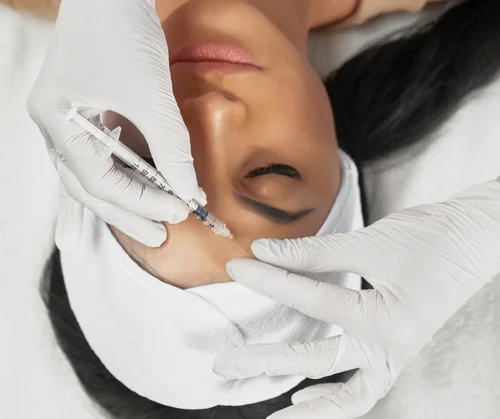
Quick Answer: Dysport vs Botox at a Glance
Both Dysport and Botox are FDA-approved neurotoxins derived from botulinum toxin type A, and they work by temporarily blocking nerve signals to muscles that cause dynamic wrinkles. The main differences lie in their formulation, how quickly they take effect, and how they spread under the skin.
Dysport tends to diffuse more readily, making it ideal for larger treatment areas like the forehead. It typically shows results within 2-3 days and costs around $4-$6 per unit. Botox stays more localized for precise targeting of smaller areas, takes about 5-7 days for full results, and costs approximately $10-$25 per unit. Both last about 3-4 months, though individual results vary based on metabolism, muscle activity, and the treatment area.
Understanding How Dysport and Botox Work
Before getting into the nitty-gritty of Dysport vs Botox differences, it helps to understand what makes these injectables so effective at smoothing wrinkles.
Both products are what dermatologists call neuromodulators. They contain botulinum toxin type A, which temporarily interrupts the communication between nerves and muscles. When injected into specific facial muscles, the toxin blocks the release of acetylcholine, a neurotransmitter that tells muscles to contract.
Why This Matters for Wrinkles
Dynamic wrinkles like frown lines, forehead creases, and crow's feet form from repeated facial movements over time. Every time you squint, frown, or raise your eyebrows, you're contracting the same muscles in the same pattern. Eventually, those movement patterns etch themselves into your skin as permanent-looking lines.
By relaxing those overactive muscles, neurotoxins like Botox and Dysport give your skin a chance to smooth out. The toxin works by binding to nerve terminals and blocking acetylcholine release, preventing muscle contraction. You can still make facial expressions, but the treated muscles move less intensely, which softens the appearance of lines and helps prevent new ones from deepening.
Both Dysport and Botox have earned FDA approval for cosmetic and therapeutic uses, with decades of safety data backing them up. Botox was first approved in 1989 for medical conditions, while Dysport received FDA approval in 2009 for both cervical dystonia and cosmetic treatment of glabellar lines.
Dysport vs Botox: Breaking Down the Key Differences
Diffusion and Treatment Area
One of the most talked-about differences between Dysport and Botox is how each product spreads once it's injected under your skin.
Dysport has smaller protein molecules in its formulation, which allows it to diffuse more readily across the treatment area. This spreading effect can be advantageous when you're treating larger zones like the entire forehead or broad areas of crow's feet. Fewer injection points may be needed to cover the area effectively, which some people find more comfortable.
Botox has a thicker consistency and stays more concentrated at the injection site. This makes it ideal for precise, targeted work in smaller areas where you want controlled results. It's particularly useful around the eyes or when treating specific asymmetries where you don't want the product migrating to neighboring muscles.
Some skilled injectors actually use both products during the same session, applying Dysport to broader areas and Botox for detailed work. This combination approach takes advantage of each product's strengths.
The cosmetic use of botulinum toxin was pioneered in the late 1980s and has since become a cornerstone of non-surgical facial rejuvenation, with continuous refinement of injection techniques and clinical applications.
Onset Time: How Quickly Results Appear
Dysport typically shows visible results within 2-3 days of injection. Botox generally takes 5-7 days for full results to develop, though some people start seeing changes around day three. Maximum effect usually appears around the two-week mark for Botox.
Unit Dosing and Conversion Ratios
Dysport and Botox units are not interchangeable. Most providers use a conversion ratio of approximately 2.5:1 or 3:1, meaning you need about 2.5 to 3 units of Dysport to equal 1 unit of Botox. For example, if you typically get 20 units of Botox in your forehead, you'd likely need 50-60 units of Dysport for comparable results.
Duration of Results
Both Dysport and Botox typically last 3-4 months, though longevity can vary based on several factors:
- Muscle strength and activity: People with stronger facial muscles may metabolize the product faster
- Treatment area: Results in high-movement areas like the forehead may fade sooner than in less active zones
- Metabolism: How quickly your body breaks down the neurotoxin influences duration
- Dosage: Higher appropriate doses may extend results slightly
- Treatment frequency: Regular maintenance appointments can sometimes lead to longer-lasting effects over time
Some studies suggest Dysport may last slightly longer in certain treatment areas, but real-world results are highly individual. You might find one product lasts longer on you than the other, which is worth noting for future appointments.
Dysport vs Botox Cost: What to Expect
Cost is often a deciding factor when choosing between Dysport and Botox, but the price comparison is more nuanced than it initially appears.
Per-Unit Pricing
On the surface, Dysport looks significantly cheaper:
- Dysport: Typically $4-$6 per unit
- Botox: Usually $10-$25 per unit
However, remember that you need about 2.5-3 times more Dysport units to achieve results comparable to Botox. When you factor in the conversion ratio, the total cost for a treatment session often ends up similar between the two products.
Total Treatment Cost Example
Let's say you're treating moderate frown lines between your eyebrows:
- Botox: 20 units × $15/unit = $300
- Dysport: 50 units × $5/unit = $250
In this scenario, Dysport might save you around $50, but pricing varies significantly by provider, geographic location, and whether any promotions are running. The difference typically isn't dramatic enough to be the sole deciding factor.
What Influences Final Price
Several factors beyond the product itself affect what you'll pay:
- Geographic location: Major metropolitan areas typically charge more than smaller cities or suburban practices
- Provider credentials: Board-certified dermatologists and plastic surgeons may charge premium rates compared to med spas
- Practice overhead: High-end clinics with luxury amenities often have higher pricing
- Membership programs: Some practices offer subscription models or loyalty discounts that reduce per-unit costs
- Treatment complexity: Treating multiple areas or requiring more units increases total cost
When evaluating how much Botox costs, focus on the provider's experience and results portfolio rather than choosing based purely on the lowest price. Poor technique can lead to uneven results, drooping, or the need for corrective treatments.
Which Areas Work Best with Each Injectable
While both Dysport and Botox can treat similar concerns, certain treatment areas may respond better to one product over the other.
Best Areas for Dysport
Forehead lines: The broad expanse of the forehead benefits from Dysport's spreading ability. Fewer injection points can create smooth, even results across the entire area.
Crow's feet: The diffusion helps blend the treatment naturally into the delicate skin around the eyes, reducing the risk of visible treatment edges.
Large treatment zones: Any area where you want comprehensive coverage without excessive injection points is a good candidate for Dysport.
Best Areas for Botox
Glabellar lines (frown lines): The "11s" between your eyebrows require precise placement, making Botox's localized effect ideal for this area.
Brow lifts: When you're trying to lift specific portions of the eyebrow without affecting neighboring areas, Botox brow lift techniques benefit from precise control.
Lip flip: The Botox lip flip requires extremely controlled dosing in a small area, making Botox the preferred choice for this treatment.
Asymmetry correction: If you have uneven facial movements or previous treatment complications, Botox allows for more targeted corrective work.
Combined Approach
Many experienced providers use both products strategically during the same appointment. They might inject Dysport in your forehead for broad, smooth coverage, then use Botox around your eyes or between your brows for precision work. This combination approach leverages the best qualities of each product.
Dysport vs Botox Results: What to Expect
The end results from Dysport and Botox are remarkably similar when administered correctly, but there are subtle differences in how those results develop and appear.
Natural-Looking Movement
Both products, when dosed appropriately, allow for natural facial expressions. You'll still be able to smile, frown, and show emotion, but the intensity of muscle movement decreases, which smooths out wrinkles.
Dysport's spreading tendency can create a softer, more diffused effect that some people describe as looking particularly natural. The muscles relax gradually across a broader area, which may reduce the "frozen" appearance that sometimes happens with overly concentrated treatments.
Botox's precision allows injectors to carefully control exactly which muscles are affected and to what degree. This can be ideal if you want very specific changes while maintaining full movement in adjacent areas.
Potential Side Effects
Both Dysport and Botox carry similar risk profiles since they contain the same active ingredient. Common side effects may include:
- Temporary bruising, swelling, or redness at injection sites
- Mild headache in the first 24-48 hours
- Temporary heaviness in the treated area
- Rare cases of eyelid or brow drooping if product migrates
Dysport's increased diffusion does carry a slightly higher theoretical risk of unintended spread to nearby muscles, but this is primarily a concern with inexperienced injectors who don't account for the product's properties. Choosing a provider who regularly works with Dysport minimizes this risk.
Serious side effects from either product are extremely rare when treatments are performed by qualified medical professionals. Both Botox and Dysport have extensive safety data supporting their use.
Comparing Dysport and Botox to Other Neuromodulators
While Dysport and Botox dominate the neuromodulator market, they're not your only options. Understanding how they compare to alternatives like Xeomin and Jeuveau can help you make a fully informed decision.
Xeomin is often called the "naked" neurotoxin because it contains no accessory proteins, just pure botulinum toxin type A. This may reduce the risk of developing antibodies that could decrease effectiveness over time. It works similarly to Botox in terms of precision and onset time.
Jeuveau is a newer option that uses a manufacturing process designed to create a highly purified form of botulinum toxin type A. It's structurally similar to Botox and shows comparable results, though it's often marketed at a slightly lower price point.
Daxxify is the newest FDA-approved neuromodulator and claims to last up to 6 months in some patients, about twice as long as traditional options. However, it comes at a premium price.
Each of these alternatives has specific characteristics that might make it preferable for certain individuals or treatment goals. Many providers offer consultations where they can explain how the different options might work for your unique facial anatomy and aesthetic goals.
Medical and Therapeutic Uses Beyond Aesthetics
Both Dysport and Botox have FDA approval for various medical conditions beyond cosmetic wrinkle reduction.
Botox Therapeutic Applications
Botox has a broader range of FDA-approved medical uses, including:
- Chronic migraines: Preventive treatment for people experiencing 15 or more headache days per month
- TMJ and jaw tension: Reducing pain and muscle tension in the jaw
- Excessive sweating (hyperhidrosis): Blocking sweat gland activation
- Overactive bladder: Treating urinary incontinence
- Muscle spasticity: Managing various neurological conditions
Botulinum toxin has become one of the most popular cosmetic procedures worldwide, with millions of treatments performed annually for both aesthetic and therapeutic purposes.
Dysport Therapeutic Applications
Dysport is FDA-approved for:
- Cervical dystonia: Treating abnormal head position and neck pain
- Moderate to severe glabellar lines: The primary cosmetic indication
- Adult and pediatric spasticity: Managing muscle stiffness and spasms
The broader therapeutic approval profile for Botox means it's more commonly the first choice when treating medical conditions, though Dysport is highly effective for the conditions it's approved to treat.
How to Choose Between Dysport and Botox
Deciding between Dysport and Botox isn't about one being objectively better than the other. It's about finding the right match for your specific situation.
Consider These Factors
Treatment area: Larger zones like the forehead may respond beautifully to Dysport's diffusion, while precise work benefits from Botox's localized effect.
Timeline: Need quick results? Dysport's 2-3 day onset might be preferable. Have more time? Botox's 5-7 day timeline works fine.
Previous experience: If you've had success with one product, there's often no compelling reason to switch. If you've had issues, trying the alternative might yield better results.
Provider preference: Your injector's experience matters more than the product itself. Choose a provider who regularly works with both and can recommend the best option based on their assessment of your facial anatomy.
Cost considerations: While total treatment costs are often similar, if one product offers a clear price advantage at your chosen provider, that might tip the scales.
Questions to Ask Your Provider
Prepare for your consultation by asking:
- Which product do you recommend for my specific concerns, and why?
- How many units will I likely need?
- What's your experience level with each product?
- Can I see before-and-after photos of results you've achieved with both?
- What's your approach if I'm not satisfied with the initial results?
- Do you use Dysport and Botox in combination for certain treatments?
A skilled provider will give you honest feedback about which option makes the most sense rather than pushing one product over another based purely on business considerations.
What Happens During Treatment
Whether you choose Dysport or Botox, the injection process is quite similar and typically takes less than 30 minutes.
Consultation and Planning
Your provider will examine your face both at rest and in motion, asking you to make various expressions so they can see exactly which muscles are creating your wrinkles. They'll mark injection points and discuss the expected outcome.
The Injection Process
After cleansing the treatment area, your provider will use a very fine needle to inject small amounts of the neurotoxin into the targeted muscles. Most people describe the sensation as minor pinching or pressure rather than significant pain.
The number of injections varies based on the treatment area and product used. Dysport's spreading ability may mean fewer injection points, while Botox requires more strategic placement.
Immediate Aftercare
You'll be able to resume normal activities immediately, though your provider will likely recommend:
- Staying upright for 4 hours after treatment
- Avoiding vigorous exercise for 24 hours
- Not rubbing or massaging the treated areas
- Skipping facials or facial massage for a few days
These precautions help prevent the product from migrating to unintended areas before it fully binds to the targeted muscles.
Follow-Up and Touch-Ups
Most providers schedule a two-week follow-up to assess results and make any necessary adjustments. Minor touch-ups are sometimes needed to perfect symmetry or enhance the effect in certain areas.
Maintaining Your Results Long-Term
Whether you go with Dysport or Botox, maintenance is key to keeping your results looking fresh.
Treatment Frequency
Plan for appointments every 3-4 months to maintain your results. Some people find they can gradually extend the time between treatments as their facial muscles adapt to having less movement, but most need consistent maintenance.
Building a Treatment Schedule
Many people schedule their next appointment before leaving the clinic to stay on a regular treatment schedule. Letting results fully fade between appointments can mean starting from scratch each time, whereas consistent maintenance may help prolong the effects.
Cost Management Strategies
To make regular treatments more affordable, consider:
- Joining your provider's loyalty or membership program for per-unit discounts
- Booking during promotional periods (though never compromise on provider quality for a deal)
- Treating only your primary concern areas rather than multiple zones
- Discussing which areas give you the most value and prioritizing those
Combining with Other Treatments
Both Dysport and Botox work well alongside other aesthetic treatments. Many people combine neuromodulators with dermal fillers to address both dynamic wrinkles and volume loss, or pair them with skin resurfacing treatments for comprehensive rejuvenation.
Making Your Final Decision
There's no universal answer to whether Dysport or Botox is "better" because the right choice depends entirely on your individual needs, anatomy, and goals.
Both products have proven track records, excellent safety profiles, and can deliver beautiful, natural-looking results when administered by skilled providers. The subtle differences in formulation, diffusion, and onset time make each one more suitable for specific situations, but neither is categorically superior.
Your best path forward is finding a qualified, experienced injector you trust and having an open conversation about which option makes the most sense for you. They'll consider your treatment areas, timeline, previous experiences, and aesthetic goals to recommend the product most likely to give you the results you're looking for.
Whether that's Dysport, Botox, or even a strategic combination of both, what matters most is that you're comfortable with your provider and clear about what you want to achieve.