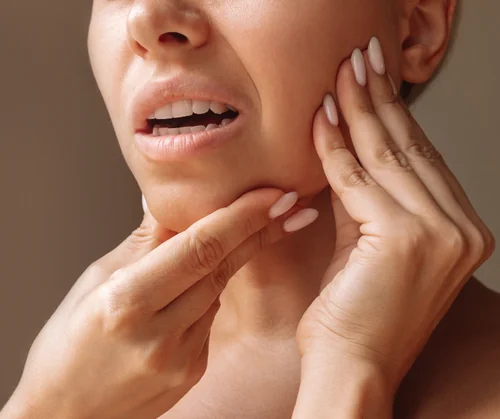
Quick Answer: Botox for TMJ Pain
Botox can help relieve TMJ-related symptoms by temporarily relaxing the overactive jaw muscles that cause pain, tension, and clenching. While the FDA hasn't specifically approved Botox for TMJ disorders, many dentists and orofacial pain specialists use it as an off-label treatment when conservative therapies haven't provided enough relief.
- How it works: Botox blocks nerve signals to jaw muscles, reducing muscle contraction and tension
- Typical dosage: 40-100 units total (varies by severity and treatment plan)
- Results timeline: Relief typically begins within 1-2 weeks and lasts 3-4 months
- Cost range: $300-$1,000+ per treatment depending on units needed
TMJ disorder (temporomandibular disorder or TMD) affects the joints connecting your jaw to your skull. It can cause jaw pain, headaches, clicking sounds, difficulty opening your mouth, and related symptoms.
Understanding TMJ Disorder and Muscle Pain
Before diving into how Botox helps, it's useful to understand what's happening in your jaw when you have TMJ disorder.
What Causes TMJ Symptoms
Your temporomandibular joints work like hinges on both sides of your jaw, allowing you to open and close your mouth. TMJ disorders affect 10-15% of adults, with symptoms ranging from mild discomfort to debilitating pain.
Several factors can contribute to TMJ problems:
Muscle-related causes (myofascial TMD):
- Teeth grinding (bruxism) during sleep or while awake
- Jaw clenching from stress or anxiety
- Overuse of jaw muscles from excessive chewing
- Poor posture affecting neck and jaw alignment
Joint-related causes (arthrogenic TMD):
- Displaced jaw disc
- Arthritis in the jaw joint
- Jaw injury or trauma
- Structural problems with the joint itself
The Role of Jaw Muscles
The masseter and temporalis muscles are the primary muscles that close your jaw. When these muscles become overactive, hypertrophic (enlarged), or chronically tense, they can create a cycle of pain and dysfunction.
Stress often triggers unconscious clenching, which overworks these muscles and leads to soreness, tension headaches, and increased grinding. Over time, this constant tension can make symptoms worse and affect your quality of life.
How Botox Works for TMJ Treatment
Botox (botulinum toxin type A) works differently for TMJ than it does for cosmetic wrinkle reduction, though the mechanism is the same.
The Science Behind Muscle Relaxation
When injected into specific jaw muscles, Botox blocks the release of acetylcholine, a neurotransmitter that signals muscles to contract. This creates a partial, temporary paralysis that prevents the muscles from contracting as forcefully as they normally would.
For TMJ treatment, this means:
- Reduced muscle tension and spasms
- Decreased force during clenching or grinding
- Less strain on the jaw joint
- Relief from associated headaches and facial pain
It's important to understand that Botox doesn't stop clenching or grinding behavior itself. Instead, it reduces the force involved, which can significantly decrease pain and prevent further damage to your teeth and jaw joint.
Why This Approach Helps
By relaxing the hyperactive jaw muscles, Botox gives your temporomandibular joint a chance to recover from constant stress. The reduced muscle activity can break the pain cycle, allowing other treatments like physical therapy, lifestyle changes, or night guards to work more effectively.
Many providers use Botox as a complementary therapy alongside conservative treatments rather than as a standalone solution.
What to Expect During Botox for TMJ Treatment
The treatment process for TMJ-related Botox differs somewhat from cosmetic Botox, both in technique and approach.
Initial Consultation
Your provider will evaluate your jaw function, assess muscle tension, and discuss your symptoms. They'll ask about:
- How long you've had symptoms
- What makes your pain better or worse
- Whether you grind your teeth or clench your jaw
- What other treatments you've tried
- Your overall health and medications
This evaluation helps determine if Botox is appropriate for your specific situation and which muscles need treatment.
The Injection Procedure
Botox for TMJ typically involves injecting several sites in the jaw muscles, primarily:
Masseter muscle: Located along your jawline, this powerful muscle is usually the primary treatment area. You'll typically receive 25-50 units per side.
Temporalis muscle: This muscle above your ear helps with chewing. Treatment usually involves 15-25 units per side.
Medial pterygoid muscle: Sometimes targeted if it's contributing to pain, though this muscle is deeper and harder to access.
The actual injection process takes 10-20 minutes. Most people report minimal discomfort, though you might feel a slight pinch or pressure at each injection site. Some providers use ice or a topical anesthetic to minimize any discomfort.
After the Treatment
You can return to normal activities immediately, but you should avoid:
- Rubbing or massaging the treated area for at least 4 hours
- Lying down for 2-4 hours after injections
- Intense exercise for 24 hours
- Dental procedures for 24-48 hours
These precautions help prevent the Botox from migrating to unintended muscles.
Botox for TMJ Results Timeline
Understanding when to expect results helps set realistic expectations for your treatment.
First Few Days
Some people notice a reduction in muscle tenderness within 1-2 days as the Botox begins taking effect. However, this is relatively uncommon, and it's more typical to need a bit more patience.
Week One to Two
Most people start experiencing noticeable relief around 7-14 days after treatment. You might notice:
- Less jaw soreness, especially in the morning
- Reduced tension headaches
- Easier jaw movement
- Decreased pain when chewing
Peak Results (Weeks 2-8)
The full effects of Botox for TMJ typically peak around 2-4 weeks after treatment and remain at their strongest through about 8 weeks. This is when you'll likely experience maximum symptom relief.
Duration of Relief
Results from TMJ Botox typically last 3-4 months, similar to cosmetic Botox treatments. However, duration can vary based on:
- The severity of your muscle tension
- How strong your jaw muscles are
- Your metabolism and how quickly your body breaks down the Botox
- Whether you're combining Botox with other therapies
Some people find they need retreatment every 3 months, while others can go 4-6 months between sessions.
Botox for TMJ Dosing and Cost
The amount of Botox needed for TMJ treatment is significantly higher than what's used for cosmetic wrinkle treatment.
Typical Unit Requirements
Standard TMJ treatment protocols use:
- 50-60 units total: For mild to moderate symptoms affecting primarily the masseter muscles
- 80-100 units total: For more severe pain or when treating multiple muscle groups
- Bilateral treatment: Always treated on both sides even if pain is one-sided to maintain muscle balance
Compare this to cosmetic forehead treatment, which typically uses 10-30 units. The higher dosage for TMJ is necessary because the jaw muscles are much larger and stronger than facial expression muscles.
Botox TMJ Cost
The cost of Botox for TMJ treatment varies based on the number of units needed and your location:
- Per-unit pricing: $10-$25 per unit depending on your area
- Treatment cost range: $300-$1,000+ per session
- Common scenario: 80 units at $12 per unit = $960
Some practices offer package pricing or membership programs that can reduce per-unit costs for patients who need regular treatments.
Insurance Coverage Considerations
Botox for TMJ is typically considered an off-label use and is often not covered by medical or dental insurance. However, coverage varies significantly:
- Some insurance plans cover it if you've documented failed conservative treatments
- Others categorize it as cosmetic and deny coverage
- Prior authorization is usually required even if your plan does cover it
- You'll need documentation from your provider explaining medical necessity
It's worth checking with your insurance company and asking your provider's office to submit for coverage, even if approval isn't guaranteed.
Who's a Good Candidate for Botox TMJ Treatment
Botox for TMJ isn't appropriate for everyone with jaw pain. Providers typically recommend it in specific situations.
Ideal Candidates
You might be a good candidate if you:
- Have muscle-related TMJ pain (myofascial TMD) rather than joint problems
- Haven't found adequate relief from conservative treatments like night guards, physical therapy, or medication
- Grind your teeth or clench your jaw, especially during sleep
- Experience frequent tension headaches related to jaw tension
- Have enlarged masseter muscles from chronic clenching
- Can commit to ongoing maintenance treatments every 3-4 months
When Botox Might Not Be Recommended
Botox may not be the right approach if you:
- Have joint-related TMJ problems (displaced disc, arthritis)
- Haven't tried conservative treatments first
- Are pregnant or breastfeeding
- Have certain neuromuscular disorders like myasthenia gravis
- Take medications that interact with botulinum toxin
- Have an infection near the planned injection sites
Your provider should evaluate your specific situation to determine if Botox is safe and appropriate for you.
Effectiveness: Does Botox Really Help TMJ?
Research on Botox for TMJ shows mixed but generally encouraging results.
What the Evidence Shows
Studies suggest Botox can be effective for certain TMJ symptoms:
- Pain reduction of 50% or more in approximately 70% of patients in some studies
- Significant decrease in tenderness when pressing on jaw muscles
- Improved jaw movement and range of motion
- Reduced frequency of tension headaches
However, research also indicates that Botox may work better for some symptoms than others. It appears most effective for reducing muscle-related pain and grinding force, but results for overall pain relief can be variable.
Realistic Expectations
Botox for TMJ isn't a cure, and it won't work the same way for everyone. Some people experience dramatic relief, while others notice more modest improvements. Setting realistic expectations helps:
Botox can help:
- Reduce muscle tension and soreness
- Decrease the force of clenching and grinding
- Provide a break from chronic pain to allow healing
- Make other treatments more effective
Botox typically doesn't:
- Fix structural joint problems
- Stop clenching behavior entirely
- Provide permanent results
- Work as well alone as it does combined with other therapies
Combining Botox with Other TMJ Treatments
Most experts recommend using Botox as part of a comprehensive treatment approach rather than relying on it exclusively.
Complementary Therapies
Botox often works best when combined with:
Night guards or occlusal splints: These devices protect your teeth from grinding damage and can help reduce clenching intensity. Wearing a properly fitted night guard alongside Botox treatment provides both symptom relief and teeth protection.
Physical therapy: Jaw exercises, stretches, and manual therapy can improve jaw mobility, reduce muscle tension, and address postural issues contributing to TMJ pain.
Stress management: Since stress often triggers clenching, techniques like meditation, cognitive behavioral therapy, or biofeedback can address the root cause of muscle tension.
Medication: Over-the-counter pain relievers or muscle relaxants can help manage symptoms, especially during flare-ups.
Why Combination Treatment Works
Using multiple approaches targets TMJ disorder from different angles. Botox reduces muscle force and provides pain relief, while other treatments address contributing factors, protect your teeth and joints, and help you develop healthier habits.
This comprehensive strategy typically provides better long-term outcomes than any single treatment alone.
Potential Side Effects and Risks
Botox for TMJ is generally safe when administered by a qualified provider, but like any medical treatment, it carries some risks.
Common Side Effects
Most side effects are mild and temporary:
- Bruising or tenderness at injection sites
- Mild headache in the first few days
- Temporary muscle soreness
- Slight difficulty chewing tough foods for a week or two
These effects typically resolve within a few days to a week.
Less Common Complications
More significant side effects are rare but possible:
- Difficulty swallowing if Botox spreads to nearby muscles
- Temporary facial muscle weakness or asymmetry
- Excessive muscle weakening that affects chewing
- Allergic reaction to the medication
- Flu-like symptoms
Minimizing Risks
You can reduce your risk of complications by:
- Choosing an experienced provider who understands jaw anatomy
- Disclosing all medications and health conditions
- Following post-treatment instructions carefully
- Starting with a conservative dose and adjusting as needed
- Reporting any concerning symptoms to your provider immediately
Choosing a Qualified Provider for TMJ Botox
Not every provider who offers Botox has the specialized training needed for TMJ treatment.
Who Should Perform TMJ Injections
Look for providers with specific expertise in TMJ disorders:
Orofacial pain specialists: Dentists with advanced training in diagnosing and treating jaw and facial pain conditions. They understand the complex relationship between your bite, jaw muscles, and TMJ function.
Oral and maxillofacial surgeons: Surgeons who specialize in the jaw and face have extensive knowledge of jaw anatomy and function.
Dentists with TMJ training: General or cosmetic dentists who have completed additional education in TMJ treatment and Botox administration.
Pain management specialists: Some physicians specializing in chronic pain conditions offer Botox for TMJ as part of their practice.
Important Qualifications
When evaluating providers, look for:
- Specific training in TMJ disorder diagnosis and treatment
- Experience with therapeutic Botox, not just cosmetic use
- Understanding of jaw mechanics and muscle anatomy
- Comprehensive approach to TMJ treatment
- Willingness to coordinate with other healthcare providers
- Clear communication about what Botox can and can't accomplish
Avoid providers who only offer cosmetic Botox or who promise unrealistic results.
Alternatives to Botox for TMJ
If Botox isn't right for you or doesn't provide adequate relief, other treatment options exist.
Conservative Approaches
Occlusal splints: Custom-fitted devices worn at night to prevent grinding and reduce jaw strain
Physical therapy: Exercises and manual techniques to improve jaw function and reduce muscle tension
Lifestyle modifications: Avoiding gum chewing, cutting food into smaller pieces, managing stress, and being mindful of jaw clenching
Medications: NSAIDs for pain, muscle relaxants for tension, or tricyclic antidepressants for chronic pain management
Advanced Treatments
Trigger point injections: Injecting anesthetic or saline into tender points in jaw muscles
Radiofrequency ablation: Using heat to reduce nerve signals from the TMJ
Arthrocentesis: Flushing the jaw joint with fluid to remove inflammatory debris
Surgery: Reserved for severe cases that don't respond to conservative treatments
Other Neurotoxins
Dysport, Xeomin, and Jeuveau are similar neurotoxin products that work like Botox. Some providers use these alternatives, which function essentially the same way for TMJ treatment.
Long-Term Management of TMJ with Botox
If Botox effectively relieves your TMJ symptoms, you'll need to plan for ongoing maintenance.
Treatment Frequency
Most people need retreatment every 3-4 months to maintain results. Your provider will help you determine the optimal schedule based on:
- How long your results last
- When symptoms start returning
- Your budget and treatment goals
- Whether combining with other therapies
Cost Considerations
Over a year, regular Botox treatment for TMJ can cost $1,200-$4,000+ depending on your dosage and provider pricing. This ongoing expense is an important factor to consider when deciding if Botox is the right long-term strategy for you.
Monitoring Your Response
Keep track of your symptoms to help you and your provider assess whether Botox is providing meaningful benefit:
- Pain levels throughout the day and week
- Frequency and intensity of headaches
- Jaw mobility and comfort
- Impact on daily activities
- How long results last after each treatment
This information helps optimize your dosing and treatment schedule.
Questions to Ask Your Provider
Before starting Botox treatment for TMJ, have a detailed conversation with your provider.
Essential questions include:
- What's your experience treating TMJ with Botox?
- How many units do you recommend for my case?
- What results should I realistically expect?
- How long will it take to feel relief?
- What other treatments should I combine with Botox?
- What are my options if Botox doesn't work?
- How much will treatment cost?
- What should I do if I experience side effects?
Getting clear answers helps you make an informed decision and establishes realistic expectations.
Making Your Decision About Botox for TMJ
Botox can be a valuable tool for managing TMJ-related muscle pain, especially when conservative treatments haven't provided enough relief. The treatment works by temporarily relaxing overactive jaw muscles, reducing pain and tension for 3-4 months at a time.
However, it's not a cure, it requires ongoing treatments, and it works best as part of a comprehensive treatment plan that addresses the underlying causes of your TMJ disorder. The cost, ranging from $300-$1,000+ per treatment, is another important consideration.
If chronic jaw pain is significantly affecting your quality of life and you've tried other approaches without success, Botox might be worth discussing with a qualified provider who specializes in TMJ disorders. They can evaluate whether you're a good candidate and develop a treatment plan tailored to your specific needs.