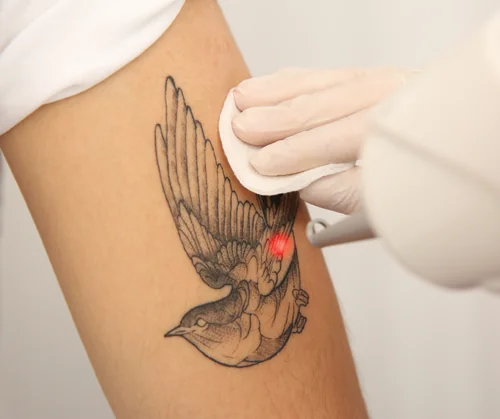
The Science Behind Laser Tattoo Removal Technology
Laser tattoo removal works by delivering highly concentrated beams of light energy directly into your skin, targeting the tattoo ink particles embedded in the dermis layer. These ultra-short pulses of light are absorbed by the pigment in the tattoo ink, causing the ink particles to rapidly heat up and shatter into much smaller fragments. Your body's immune system then recognizes these tiny ink fragments as foreign material and gradually removes them through your lymphatic system over the following weeks and months.
The technology relies on a principle called selective photothermolysis, where specific wavelengths of light target specific colors of ink without damaging the surrounding skin tissue. Modern Q-switched and picosecond lasers deliver energy in incredibly brief pulses (measured in nanoseconds or picoseconds), creating a photoacoustic effect that breaks apart ink particles mechanically rather than just burning them. This precision is what makes laser removal safer and more effective than older methods like dermabrasion or surgical excision.
The process isn't instantaneous because your tattoo wasn't created overnight either. When you got your tattoo, the artist injected thousands of ink particles deep into your dermis using a needle moving at high speed. Your immune system immediately identified this ink as foreign material and tried to remove it, but the particles were far too large for your white blood cells to break down and eliminate. This is exactly why tattoos are permanent. Laser treatment essentially picks up where your immune system left off, fragmenting those oversized ink particles into pieces small enough for your body to naturally flush out.
As with any medical procedure, this information is for educational purposes only and should not replace professional medical advice from qualified providers. Individual results vary based on numerous factors including tattoo characteristics, skin type, and overall health.
How Lasers Break Down Different Ink Colors
Not all tattoo inks respond to laser treatment the same way because different pigments absorb different wavelengths of light. Black ink is the easiest to remove because it absorbs all wavelengths of laser light, making it responsive to virtually any laser used for tattoo removal. This is why black tattoos typically require fewer sessions and show faster fading than multicolored tattoos.
Color-specific laser wavelengths:
- Black and dark blue inks respond best to 1064nm wavelength lasers, which is why Q-switched Nd:YAG lasers are so effective on dark tattoos. The ink absorbs this wavelength readily, heats up quickly, and shatters into removable fragments.
- Red, orange, and yellow inks require different wavelengths, typically 532nm, because these warmer colors don't absorb longer wavelengths efficiently. Specialized lasers or dual-wavelength systems target these stubborn colors effectively.
- Green and blue inks are among the most challenging to remove and often require 755nm wavelength lasers (like Q-switched Alexandrite lasers) or advanced picosecond technology that can target these specific pigments.
- Purple inks vary in difficulty depending on their specific formulation, sometimes responding to wavelengths used for red ink and sometimes requiring wavelengths used for blue ink.
The chemical composition of the ink matters significantly. Professional tattoo inks from reputable manufacturers tend to break down more predictably than amateur tattoo inks or inks containing certain metals. Some newer tattoo inks are specifically formulated to be more removable, while older tattoos with outdated ink formulations can be stubbornly resistant to laser treatment.
Multicolored tattoos require multiple laser wavelengths, which is why complete removal often takes longer and costs more than removing simple black tattoos. Your provider may need to switch between different laser systems during a single session or use different wavelengths in sequential sessions to address all the colors present in your tattoo. The American Society for Dermatologic Surgery provides detailed information about laser technology used in various cosmetic procedures.
The Step-by-Step Laser Tattoo Removal Process
Initial consultation and assessment: Your first appointment focuses on evaluating your tattoo and creating a personalized treatment plan. The provider examines your tattoo's size, colors, location on your body, how long you've had it, and whether it's amateur or professional work. They assess your skin type using the Fitzpatrick scale because darker skin requires different laser settings to avoid hypopigmentation or hyperpigmentation. You discuss your medical history, medications, and realistic expectations for the removal process.
The provider photographs your tattoo from multiple angles to track progress throughout treatment. They explain how many sessions you'll likely need based on your specific tattoo characteristics, though this estimate may change as treatment progresses. You learn about the expected timeline, with sessions typically spaced 6 to 8 weeks apart to allow proper healing and ink clearance between treatments.
Preparation for each session: Before treatment begins, the area is thoroughly cleaned to remove any lotions, oils, or debris. If you have significant hair growth over the tattoo, it may be shaved to ensure the laser energy reaches the ink rather than being absorbed by hair. Some providers apply a topical numbing cream 30 to 45 minutes before treatment to minimize discomfort, though this varies by practice and patient preference.
You and the provider both put on protective eyewear specifically designed to shield eyes from the laser wavelength being used. The provider performs a test spot on a small area of your tattoo to ensure the laser settings are appropriate for your skin and the ink being treated. This test helps determine the optimal energy level that will effectively break down ink without causing unnecessary skin damage.
During the laser treatment: The provider holds the laser handpiece against your skin and delivers rapid pulses of light to the tattooed area. You'll hear a snapping sound with each pulse and may see immediate whitening of the skin (called frosting) as the ink particles shatter and release gas. This frosting typically fades within 15 to 30 minutes after treatment ends. The provider works systematically across your entire tattoo, ensuring even coverage while avoiding excessive overlap that could damage tissue.
Treatment duration depends on tattoo size. Small tattoos take just a few minutes, while large pieces can require 30 to 45 minutes of laser application. The provider frequently checks your skin's response and may adjust settings if needed. Some practices use cooling devices that blow cold air on your skin during treatment to minimize discomfort and reduce the risk of burns.
Immediate post-treatment care: Right after the laser stops, the treated area typically appears white or frosted with some immediate swelling. Your provider applies a soothing ointment and covers the area with a sterile bandage to protect it as it begins healing. They provide detailed aftercare instructions covering wound care, sun protection, activity restrictions, and signs of complications to watch for. You schedule your next session, usually 6 to 8 weeks out to allow adequate healing time.
Why Tattoo Removal Requires Multiple Sessions
Your body needs time between treatments to clear away the ink fragments created by each laser session. When the laser shatters ink particles, your lymphatic system doesn't immediately remove all those fragments. The process of white blood cells engulfing the tiny ink pieces, transporting them through lymphatic vessels, and filtering them through your liver takes several weeks. Spacing sessions 6 to 8 weeks apart gives your immune system time to complete this clearance before introducing more fragmented ink.
Factors determining session count: Tattoo age significantly impacts removal difficulty. Newer tattoos (less than a year old) often require more sessions because the ink is still vibrant and densely concentrated. Older tattoos may fade faster because some natural ink breakdown has already occurred over the years, though this isn't universally true.
Ink density matters tremendously. Professional tattoos with heavy ink saturation need more sessions to break down all those closely packed particles. Amateur tattoos with lighter, more scattered ink often respond faster. The depth at which ink was placed also affects removal speed, with deeper ink requiring more aggressive treatment.
Your body's lymphatic system efficiency varies between individuals and even between different body locations on the same person. Tattoos on your torso generally clear faster than tattoos on your extremities because circulation and lymphatic drainage are more robust near your core. Ankle and foot tattoos can be frustratingly slow to clear because of reduced blood flow and lymphatic activity in these areas.
Typical session requirements: Small, simple black tattoos might clear completely in 4 to 6 sessions. Large, multicolored professional tattoos often require 10 to 15 sessions or more. The variance is enormous because so many factors influence treatment response. Some tattoos show dramatic fading early on but then plateau, requiring additional sessions to achieve further lightening.
Understanding laser tattoo removal costs helps you budget for the multiple sessions required for complete or satisfactory removal.
What Happens to Your Body During Ink Removal
The immune system response: When the laser shatters tattoo ink, your body immediately recognizes the fragmented particles as foreign material that needs removal. White blood cells called macrophages rush to the treated area within hours of your session. These specialized immune cells engulf the tiny ink fragments through a process called phagocytosis, essentially swallowing the particles whole.
The macrophages then carry their ink-filled cargo through your lymphatic vessels toward lymph nodes, where the particles are further processed. Your liver ultimately filters much of this material from your bloodstream and eliminates it through your body's natural waste removal systems. This is the same process your immune system used to try removing the original tattoo ink, except now the particles are small enough to actually transport and eliminate.
Inflammatory response and healing: Each laser session creates controlled injury to your skin, triggering inflammation as part of the healing process. You'll notice redness, swelling, and warmth in the treated area for several days after treatment. This inflammation is normal and necessary for proper healing, though excessive inflammation could indicate problems requiring medical attention.
Your skin works to repair the microscopic damage caused by the laser pulses. New collagen forms, and damaged cells are replaced over the following weeks. This healing process is why sessions must be adequately spaced. Treating skin that hasn't fully healed from the previous session increases scarring risk and can compromise results.
Circulation and lymphatic drainage: Blood flow to the treated area increases as part of the healing response, bringing oxygen and nutrients needed for tissue repair. However, the efficiency of lymphatic drainage varies significantly based on tattoo location. Areas with robust blood flow and lymphatic circulation (chest, upper arms, back) typically show faster ink clearance than areas with limited circulation (hands, feet, lower legs).
You can potentially support this process through healthy lifestyle choices. Staying well-hydrated helps your lymphatic system function optimally. Regular exercise improves circulation and lymphatic flow. Avoiding smoking is crucial because nicotine constricts blood vessels and impairs healing. Some providers recommend lymphatic massage in the area between sessions, though evidence for this practice is limited.
Laser Types Used for Tattoo Removal Technology
Q-switched lasers: These have been the gold standard for tattoo removal for decades and remain highly effective. Q-switched lasers deliver energy in nanosecond pulses (billionths of a second), creating enough heat to shatter ink particles through thermal and mechanical effects. The main types include Q-switched Nd:YAG (versatile for most colors), Q-switched Alexandrite (effective for green and blue), and Q-switched Ruby (good for blue and green but rarely used due to limitations with darker skin).
Q-switched lasers are reliable, well-studied, and available at most tattoo removal practices. They can effectively remove most tattoos with enough sessions, though treatment can be lengthy for stubborn colors or large pieces. The technology is mature and relatively affordable, making it accessible to more patients.
Picosecond lasers: These represent the newer generation of tattoo removal technology, delivering energy in picosecond pulses (trillionths of a second). The ultra-short pulse duration creates more of a photoacoustic effect than photothermal, essentially using pressure waves to shatter ink rather than relying primarily on heat. This can result in more efficient ink fragmentation with less thermal damage to surrounding tissue.
Brands like PicoSure, PicoWay, and Enlighten have shown impressive results, particularly on previously treated tattoos that didn't respond well to Q-switched lasers. They often require fewer sessions to achieve similar or better results compared to Q-switched technology. The faster treatment time and potentially reduced scarring risk make picosecond lasers attractive, though they're not universally available and typically cost more per session.
Choosing the right technology: Your provider selects laser technology based on your specific tattoo characteristics and skin type. Some practices have multiple laser systems to address different ink colors and skin tones optimally. More advanced technology isn't always necessary for every tattoo; simple black tattoos often respond perfectly well to older Q-switched systems. The provider's experience and proper technique matter as much as or more than which specific laser brand they use.
Pain Management During Laser Treatment
The sensation during laser tattoo removal is often compared to having hot grease splattered on your skin or being repeatedly snapped with a thick rubber band. The discomfort is brief but intense, lasting only during the actual laser pulses. Small tattoos can be tolerated by most people without anesthesia, while larger pieces often benefit from pain management strategies.
Available pain control options: Topical numbing creams containing lidocaine can be applied 30 to 60 minutes before treatment. The provider covers the numbed area with plastic wrap to enhance absorption. This reduces sensation significantly for many patients, though effectiveness varies. Some people find topical anesthetics make treatment completely tolerable, while others still feel significant discomfort.
Cooling devices that blow extremely cold air on the skin during laser pulses help numb the area and reduce heat buildup. Many modern laser systems have integrated cooling mechanisms. Some practices use ice packs before, during, and after treatment to minimize pain and swelling.
Local anesthetic injections (similar to what dentists use) provide the most complete pain relief but add time, cost, and minor additional risks to the procedure. Most providers reserve injectable anesthesia for very large tattoos or extremely pain-sensitive patients. The injections themselves cause brief discomfort before the area goes completely numb.
Managing expectations about discomfort: Understanding that laser tattoo removal pain varies widely helps you prepare mentally. Pain tolerance differs significantly between individuals. Tattoo location affects sensation; bony areas like ribs, ankles, and hands tend to hurt more than fleshier areas. The first session often feels most uncomfortable because you don't know what to expect and your anxiety is highest.
How Long It Takes to See Tattoo Fading Results
Immediate changes: Right after treatment, your tattoo may look slightly lighter due to the frosting effect, but this doesn't represent actual fading. Within a few hours, the tattoo might even appear darker as inflammation and swelling temporarily make the ink more visible. This is completely normal and doesn't mean the treatment failed.
Early fading timeline: The first signs of real fading typically appear 2 to 4 weeks after your initial session as your immune system begins clearing fragmented ink. You'll notice the tattoo looking slightly lighter or less sharp around its edges. The degree of fading after session one varies tremendously; some people see dramatic lightening while others notice only subtle changes.
Maximum fading from each session usually occurs 6 to 8 weeks post-treatment, which is why sessions are typically spaced this far apart. Treating again before reaching maximum clearance from the previous session may not provide additional benefit and risks over-treating the skin.
Progressive improvement: With each subsequent session, you should see incremental fading, though the pace of improvement often slows as treatment progresses. The first few sessions might show impressive results, but the final sessions may produce more subtle changes as you work toward complete removal. This is normal because you're dealing with progressively less ink.
Some tattoos reach a plateau where further sessions don't produce noticeable improvement. This can happen with certain ink colors that don't respond well to available laser wavelengths or when ink is unusually deep or chemically resistant. At this point, you may need to decide whether to continue with the same treatment approach, try different laser technology, or accept the remaining fading as your endpoint.
Factors affecting speed: Younger patients with healthy immune systems often see faster results than older individuals or those with compromised immunity. Lifestyle factors like smoking, poor nutrition, or inadequate hydration can slow ink clearance. The better your overall health, circulation, and lymphatic function, the more efficiently your body eliminates fragmented ink.
Proper Aftercare for Optimal Healing and Results
First 24-48 hours: Keep the treated area clean and dry, applying antibiotic ointment and fresh bandages as directed. Most providers recommend keeping the area covered for at least 24 hours to protect it from bacteria and friction. You can expect oozing, crusting, and scab formation as normal parts of the healing process.
Ice packs applied for 15 to 20 minutes several times daily help reduce swelling and discomfort. Elevate the treated area when possible to minimize fluid accumulation. Over-the-counter pain relievers like acetaminophen can manage discomfort, though avoid aspirin and ibuprofen initially as they can increase bleeding risk.
First 2 weeks: As blisters and scabs form, resist the intense urge to pick at them. Allowing scabs to fall off naturally dramatically reduces scarring risk. Keep the area moisturized with recommended ointments but don't smother it with thick products that prevent air circulation. Gently wash with mild soap and pat dry rather than rubbing.
Avoid strenuous exercise that causes heavy sweating for at least 48 to 72 hours. Skip swimming pools, hot tubs, and baths until the skin has fully healed to prevent infection. Showers are fine as long as you don't blast the treated area with hot water. Pat gently with a clean towel afterward.
Ongoing care between sessions: Protect the area from sun exposure religiously. UV radiation can cause hyperpigmentation in healing skin and may interfere with the tattoo removal process. Apply broad-spectrum SPF 30 or higher whenever the area will be exposed to sunlight. Consider sun-protective clothing for large tattoos on exposed areas.
Watch for signs of infection like increasing redness, pus, fever, or worsening pain. Contact your provider immediately if you notice these symptoms. Most complications can be managed effectively if caught early. Proper aftercare for laser tattoo removal significantly impacts both healing and final results.