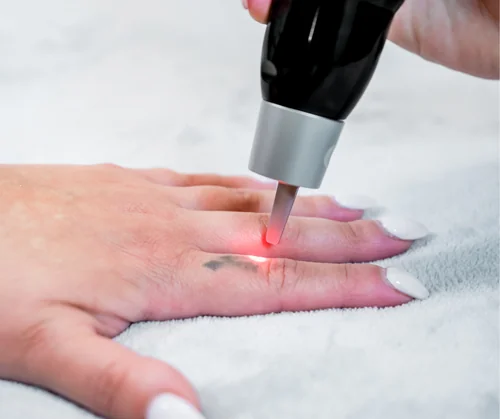
Essential Laser Tattoo Removal Aftercare Instructions
Your skin needs careful attention after each laser session to heal properly and prepare for the next treatment. The laser creates controlled injury to your skin as it breaks down ink particles, triggering your body's natural healing response. How you care for the treated area during recovery directly impacts healing speed, complication risk, and overall removal success.
Immediate post-treatment priorities (first 24 hours):
- Apply ice packs for 10 to 15 minutes every few hours to reduce swelling and numb discomfort. Use a clean barrier between ice and skin to prevent direct contact burns. The cooling helps counteract the heat generated during laser treatment and minimizes inflammation.
- Keep the area elevated above your heart when possible, especially for tattoos on feet, ankles, or lower legs. Elevation reduces fluid accumulation and decreases blistering risk. This is particularly important for the first 8 to 12 hours post-treatment.
- Apply a thin layer of healing ointment (Aquaphor, Vaseline, or antibiotic ointment) to keep the area moisturized and protected. Clean hands are essential when applying any product to prevent introducing bacteria to vulnerable skin.
- Cover with a clean, breathable bandage to protect from friction and contamination. Change the bandage if it becomes wet or dirty. Most providers recommend keeping the initial bandage on for at least 6 to 24 hours.
Understanding how laser tattoo removal works helps you appreciate why aftercare is so critical for success. As with any medical procedure, these instructions are for educational purposes and should not replace specific guidance from your provider.
Days 2-7 aftercare routine:
- Clean the area twice daily with lukewarm water and mild, fragrance-free soap. Pat dry gently with a clean towel rather than rubbing, which can irritate healing skin. Avoid harsh antibacterial soaps that can be too drying.
- Continue applying healing ointment 2 to 3 times daily to maintain moisture and prevent scabbing from becoming too dry and tight. Well-moisturized scabs heal faster and are less likely to crack or bleed.
- Watch for signs of normal healing including redness, mild swelling, blistering, and eventual scab formation. These reactions indicate your body is responding appropriately to treatment. Document any concerns with photos to share with your provider if needed.
- Avoid picking, scratching, or peeling any blisters or scabs no matter how tempting it feels. Allowing scabs to fall off naturally dramatically reduces scarring risk and prevents pulling out ink that should flush out through your lymphatic system.
What to Do After Laser Tattoo Removal Sessions
Showering and bathing guidelines:
- You can shower 2 to 3 hours after treatment, but avoid directing high-pressure water onto the treated area. Gentle water flow is fine, but forceful streams can damage fragile healing skin and increase irritation. Remove bandages before showering.
- Use lukewarm or cool water rather than hot water, which can increase inflammation and discomfort. Hot water also dilates blood vessels, potentially worsening swelling and slowing healing. Keep showers brief and gentle around the treatment site.
- Avoid baths, hot tubs, swimming pools, and any soaking until the area is completely healed (typically 2 to 4 weeks). Submersion in water, especially public pools and hot tubs, dramatically increases infection risk from bacteria in the water.
- Pat the area dry with a clean, soft towel after showering. Avoid rubbing or applying pressure. Apply fresh ointment and a new bandage if your provider recommended continued coverage. Clean, dry skin heals more efficiently than damp skin.
Activity and exercise restrictions:
- Avoid strenuous exercise and activities causing heavy sweating for at least 48 to 72 hours post-treatment. Sweat contains salt and bacteria that can irritate healing skin and potentially lead to infection. Light walking is generally fine, but avoid gym workouts, running, or intense physical labor.
- Skip saunas, steam rooms, and hot yoga for at least 2 weeks after treatment. These environments create excessive heat and moisture that interfere with proper healing. The combination of heat and bacteria-laden sweat is particularly problematic for vulnerable skin.
- For tattoos on hands, feet, or joints, minimize movement and friction in the treated area for the first few days. Constant bending and flexing can prevent scabs from forming properly and delay healing. Consider taking it easier than usual if your tattoo is in a high-movement area.
- Resume normal activities gradually as healing progresses. Most people can return to regular exercise within 3 to 5 days, but listen to your body and back off if the area becomes irritated or painful.
Sun protection requirements:
- Keep the treated area completely protected from sun exposure for at least 2 weeks after treatment. UV radiation on healing skin can cause hyperpigmentation (dark spots) or hypopigmentation (light spots) that may be permanent. Cover with clothing whenever possible.
- Apply broad-spectrum SPF 30 or higher sunscreen every 2 hours if the area will be exposed to sunlight. Choose a physical sunscreen with zinc oxide or titanium dioxide rather than chemical sunscreens that can irritate healing skin. Don't skip this step even on cloudy days.
- Continue daily sun protection for at least 3 months after each session, even after the skin appears healed. Your skin remains vulnerable to UV damage during the entire healing and fading process. Sun exposure can also darken remaining ink, making future sessions less effective.
- Consider sun-protective clothing like long sleeves, pants, or UV-blocking athletic wear for extended outdoor exposure. Physical barriers provide more reliable protection than sunscreen alone, especially for areas that are difficult to keep covered otherwise.
Normal Healing Stages and What to Expect
First 24-48 hours:
- Immediate frosting (white appearance) occurs during treatment but typically fades within 10 to 30 minutes. This whitening happens as the laser shatters ink particles and releases gas, creating a temporary color change. It's completely normal and not a cause for concern.
- Redness and swelling develop within hours and peak around 24 to 48 hours post-treatment. The treated area may look quite inflamed and feel warm to the touch. This inflammatory response is your immune system activating to begin healing and removing fragmented ink.
- Pinpoint bleeding or small blood spots (petechiae) may appear from broken capillaries near the skin surface. These tiny hemorrhages result from the laser's impact on blood vessels and resolve on their own within a few days. They're more common with aggressive treatments or vascular skin.
- Tenderness and sensitivity make the area uncomfortable to touch or have clothing rub against it. Most people describe the sensation as similar to a moderate sunburn. Over-the-counter pain relievers like acetaminophen help manage discomfort during this initial healing phase.
Days 3-14:
- Blisters may form within 8 to 72 hours of treatment, ranging from tiny fluid-filled bumps to larger water blisters. Blistering is actually a positive sign that the laser effectively targeted the ink. The fluid protects underlying tissue as it heals. Resist the strong urge to pop blisters.
- Scabs develop as blisters heal or as the skin begins repairing laser-induced micro-injuries. Scabbing typically starts 3 to 5 days post-treatment and may last 1 to 2 weeks. Scabs often look alarming, but they're a crucial part of the healing process.
- Itching intensifies as healing progresses, driven by skin dryness and nerve endings regenerating. The urge to scratch can be nearly overwhelming, but scratching damages healing tissue and increases scarring risk. Hydrocortisone cream and frequent moisturizing help manage itchiness.
- The tattoo may look darker or more prominent temporarily as scabs form and inflammation peaks. This darkening is temporary and doesn't mean the treatment failed. As scabs fall off, you'll see the first signs of fading underneath.
Weeks 2-8:
- Scabs gradually fall off on their own, revealing pink or pale skin underneath. The newly exposed skin is still fragile and needs continued sun protection and gentle care. Some areas may retain scabs longer than others depending on treatment intensity.
- Initial fading becomes visible as your immune system clears fragmented ink particles through your lymphatic system. The degree of fading after the first session varies tremendously based on tattoo characteristics and your body's response. Maximum fading typically occurs 6 to 8 weeks post-treatment.
- Skin texture normalizes and color returns to baseline, though the area may remain slightly lighter or pinker than surrounding skin for several more weeks. Complete healing takes 4 to 8 weeks on average, but individual healing times vary significantly.
- The tattoo continues fading gradually during this period as your body works to eliminate ink fragments. This is why sessions must be spaced adequately apart—treating again before reaching maximum clearance from the previous session provides no additional benefit.
Critical Things to Avoid During Tattoo Removal Recovery
Products and substances to skip:
- Avoid hydrogen peroxide, rubbing alcohol, or other harsh antiseptics that damage healing tissue. These products are too aggressive for vulnerable post-laser skin. Stick to mild soap and water for cleaning. Over-sanitizing actually impairs healing.
- Skip Neosporin, Polysporin, Bacitracin, and triple antibiotic ointments despite their popularity. Many people develop allergic reactions to these products, especially with repeated use. Plain petroleum jelly (Vaseline) or Aquaphor are safer choices for maintaining moisture.
- Don't apply aloe vera gel, vitamin E oil, or other "healing" products unless your provider specifically recommends them. Some natural products can irritate laser-treated skin or cause allergic reactions. The simpler your aftercare routine, the better.
- Avoid numbing creams, pain-relief gels, or medicated lotions on healing skin. These products contain ingredients that can interfere with healing or cause sensitization reactions. Manage pain with ice and oral medications instead.
Activities that delay healing:
- Never pick at, peel, scratch, or manipulate blisters and scabs. This is the single most important rule for preventing scarring. Picking removes scabs prematurely, exposing raw tissue that's vulnerable to infection and creates scars. It also removes ink that should drain through your lymphatic system naturally.
- Avoid tight, restrictive clothing that rubs against the treated area. Constant friction prevents scabs from forming properly and can cause irritation and inflammation. Choose loose, soft fabrics and consider covering the area with a bandage if clothing contact is unavoidable.
- Don't shave over or near the treated area until it's completely healed. Razors can nick scabs, introduce bacteria, and cause scarring. If hair removal is necessary, carefully work around the treatment site. Most people can wait the 2 to 4 weeks needed for complete healing.
- Skip tanning beds entirely during the removal process. Tanning beds deliver concentrated UV radiation that damages healing skin and can cause permanent pigmentation changes. They also darken remaining tattoo ink, making future treatments less effective. There's no safe amount of tanning bed use during tattoo removal.
Lifestyle factors that slow healing:
- Limit alcohol consumption during healing. Alcohol dehydrates you and impairs immune function, slowing healing and ink clearance. It also dilates blood vessels, potentially increasing swelling.
- Avoid smoking and nicotine completely if possible. Nicotine constricts blood vessels, dramatically reducing circulation to healing skin and impairing oxygen delivery. Smoking is one of the worst things you can do during tattoo removal.
- Get 7 to 9 hours of sleep nightly. Your body does most healing during sleep, and poor sleep weakens your immune system.
- Minimize stress through relaxation techniques and healthy coping mechanisms. Chronic stress suppresses immune function and slows wound healing.
Supporting Your Body's Healing Process Between Sessions
Hydration and nutrition:
- Drink at least 8 to 10 glasses of water daily to support lymphatic function and ink clearance. Well-hydrated bodies flush fragmented ink more efficiently. Carry a water bottle and sip consistently throughout the day.
- Eat a nutrient-dense diet rich in protein, vitamins, and minerals to fuel tissue repair. Focus on lean proteins, colorful vegetables, fruits, and whole grains.
- Consider skin-healing foods including vitamin C-rich citrus, zinc-containing nuts and seeds, and omega-3 fatty acids from fish. These nutrients support collagen production and immune function.
- Limit processed foods, excessive sugar, and inflammatory foods that impair healing and provide empty calories.
Exercise and circulation:
- Resume regular exercise once initial healing allows (typically 3 to 5 days post-treatment). Moderate exercise improves circulation and lymphatic flow, helping clear fragmented ink more efficiently.
- Focus on cardiovascular activities that get your heart rate up and blood flowing. Walking, jogging, cycling, and swimming (once fully healed) all promote circulation.
- Include lymphatic drainage massage if your provider recommends it. Gentle massage may help move ink toward lymph nodes, but avoid massaging directly on the treatment site until healed.
- Maintain consistent activity levels rather than sporadic intense workouts. Your body responds better to regular moderate exercise.
Immune system support:
- Get adequate sleep every night to maintain strong immune function. Your immune system does its regenerative work during deep sleep. Chronic sleep deprivation weakens healing and ink clearance. Prioritize consistent sleep schedules.
- Manage stress through meditation, yoga, deep breathing, or relaxation practices. Chronic stress suppresses immune function and slows healing. Finding healthy stress outlets protects your body's ability to respond optimally to treatment.
- Consider immune-supporting supplements like vitamin D, vitamin C, and zinc if deficient, but consult your provider first. Focus on getting nutrients from food when possible.
- Avoid getting sick between sessions by practicing good hygiene and managing stress. Infections tax your immune system, potentially delaying healing and reducing resources available for clearing ink.
How Long Does Laser Tattoo Removal Take to Heal
Complete healing from each session typically takes 4 to 8 weeks, though visible improvement occurs much sooner. Most people see dramatic reduction in redness and swelling within the first week. Scabs usually fall off within 2 to 3 weeks, revealing the underlying fading.
Factors affecting healing time:
- Tattoo location significantly impacts healing speed. Areas with good circulation like the chest, upper back, and upper arms heal faster than extremities. Tattoos on feet, ankles, and lower legs take longest to heal due to reduced blood flow and constant movement.
- Your overall health and age influence healing capacity. Younger patients with healthy immune systems typically heal faster than older individuals or those with compromised health. Chronic conditions like diabetes can extend healing time significantly.
- Treatment intensity affects how long recovery takes. Aggressive treatments targeting dense ink require longer healing than gentler sessions. Your provider adjusts intensity based on your tattoo's characteristics and your skin's response to previous treatments.
- Individual variation means healing times differ even for similar tattoos in similar locations. Some people simply heal faster than others based on genetics, lifestyle, and immune function. Don't compare your healing to someone else's timeline.
Timeline expectations:
- Week 1: Acute inflammation, possible blistering, initial scab formation
- Week 2-3: Scabs mature and begin falling off, itching peaks
- Week 4-6: Most scabs gone, pink skin visible, continued fading
- Week 6-8: Skin returns to normal color and texture, maximum fading achieved
You should wait at least 6 to 8 weeks between treatments to allow complete healing and maximum ink clearance. Treating too frequently doesn't accelerate removal and actually increases complication risk without improving results. Understanding laser tattoo removal costs helps you budget for the multiple sessions required with proper spacing.
Signs of Infection or Complications Requiring Medical Attention
Most laser tattoo removal healing progresses normally, but you should know warning signs requiring professional evaluation. Contact your provider immediately if you experience these symptoms.
Infection indicators:
- Increasing redness spreading beyond the treatment area rather than gradually improving. Normal redness stays contained and fades over days. Expanding redness with red streaks suggests infection spreading through tissue.
- Pus or honey-colored discharge from blisters or scabs indicates bacterial infection. Clear or slightly bloody fluid is normal, but thick, cloudy, yellow, or green discharge requires medical attention.
- Fever, chills, or feeling generally unwell suggests systemic infection. Temperature above 100.4°F (38°C) or flu-like symptoms warrant immediate medical evaluation.
- Severe or worsening pain that doesn't respond to over-the-counter medication. Some discomfort is normal, but escalating pain often signals complications.
Other concerning symptoms:
- Excessive swelling continuing to increase after 48 hours or affecting surrounding areas
- Abnormally large, painful blisters or blisters with red, inflamed borders needing professional drainage
- Allergic reactions including severe itching, hives beyond treatment area, difficulty breathing, or facial swelling
- Scarring concerns or abnormal skin texture changes
According to the American Academy of Dermatology, proper aftercare dramatically reduces complication risk. Never hesitate to contact your provider with concerns. Early intervention prevents minor issues from becoming major problems.
Can You Shower After Laser Tattoo Removal
Yes, you can shower 2 to 3 hours after laser tattoo removal, but you need to follow specific precautions to protect healing skin. Remove your bandage before showering to prevent it from becoming waterlogged and harboring bacteria.
Shower safety guidelines:
- Use lukewarm or cool water rather than hot water, which increases inflammation and discomfort. Test the water temperature before directing it near the treated area. Hot water also strips natural oils from skin, increasing dryness and potentially worsening healing.
- Keep water pressure gentle and avoid directing strong streams onto the treatment site. High-pressure water can damage fragile healing tissue, dislodge forming scabs, and cause pain. Let water flow over the area gently rather than blasting it directly.
- Clean the area carefully with mild, fragrance-free soap using clean hands or a soft washcloth. Avoid scrubbing or rubbing the treatment site. Gentle cleansing removes bacteria and debris without disrupting the healing process. Rinse thoroughly to remove all soap residue.
- Pat the area dry with a clean, soft towel after showering. Avoid rubbing or applying pressure. Let the skin air dry slightly before applying fresh ointment and a new bandage if recommended. Proper drying prevents moisture from creating an environment for bacterial growth.
Daily showering is fine and even beneficial for keeping the area clean, as long as you follow these guidelines. Clean skin heals better than dirty skin, but aggressive cleaning does more harm than good.
Keeping Your Tattoo Covered After Removal Treatment
Your provider will apply an initial bandage immediately after treatment to protect the area. Keep this first bandage on for 6 to 24 hours depending on your provider's instructions. This initial coverage protects vulnerable tissue during the most acute inflammatory phase.
Bandaging recommendations:
- After removing the initial bandage, you can leave the area open to air or use fresh bandages as needed for protection. Breathing room generally promotes faster healing than constant coverage, but protection from friction and contamination sometimes takes priority.
- Use bandages when clothing will rub against the area or when you'll be in dusty or dirty environments. Choose breathable, non-stick bandages that won't adhere to healing tissue. Change bandages whenever they become wet, dirty, or every 12 to 24 hours.
- Skip bandages at night if possible to allow maximum air circulation during sleep. Exposed skin heals faster when it can breathe. Only use overnight bandages if necessary to prevent unconscious scratching or if bedding will irritate the area.
- Always apply a thin layer of healing ointment before bandaging to prevent the bandage from sticking to skin. Non-stick pads or gauze work better than adhesive bandages directly on the treatment site. Removing stuck bandages tears healing tissue and causes pain.
Most people only need bandages for the first few days to a week, then can leave the area uncovered as long as it's protected from sun, friction, and contamination. Follow your provider's specific instructions about coverage duration.