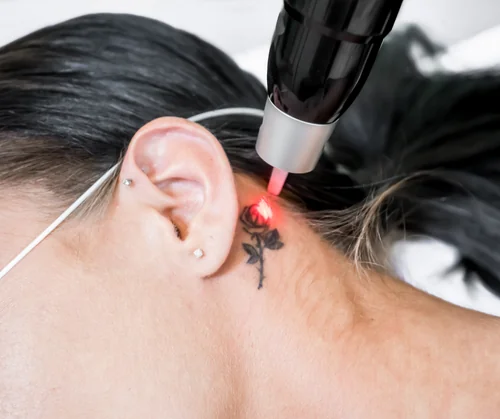
What You'll Pay Per Laser Tattoo Removal Session
A single laser tattoo removal session typically costs between $200 and $500, though prices vary significantly based on your location, tattoo size, and provider credentials. According to the American Society of Plastic Surgeons, the national average for laser treatments sits around $423 per session, but this figure doesn't include additional fees for consultations, numbing creams, or aftercare products.
Most people need multiple sessions to achieve satisfactory results, making the total investment substantial. Small tattoos might require 4 to 6 sessions, while large or multicolored pieces often need 10 to 15 treatments or more. The cumulative cost can range from $1,000 for a tiny, simple black tattoo to $10,000 or more for sleeve tattoos or complex, colorful designs.
Price ranges by tattoo size:
- Extra small (1-2 square inches): $200-$300 per session
- Small (3-4 square inches): $250-$350 per session
- Medium (5-7 square inches): $300-$450 per session
- Large (8-12 square inches): $400-$600 per session
- Extra large (sleeve, back piece): $500-$800+ per session
These are per-session prices, not total removal costs. Understanding how laser tattoo removal works helps explain why multiple treatments are always necessary.
As with any medical procedure, this information is for educational purposes only and should not replace professional advice from qualified providers.
Major Factors That Affect Laser Tattoo Removal Cost
Tattoo size is the most significant cost driver because larger tattoos require more laser time, energy, and treatment area coverage. A small wrist tattoo takes just a few minutes to treat, while a full back piece might require 45 minutes to an hour per session. Providers typically charge based on square inches of coverage, so area matters more than the design's visual complexity.
Ink color complexity changes pricing: Black ink absorbs all laser wavelengths, making it the easiest and least expensive to remove. Dark blue and brown inks behave similarly to black. Colors like green, yellow, light blue, and purple require specialized laser wavelengths and often need more sessions, increasing overall cost. Multicolored tattoos require switching between different laser types during treatment, adding time and expense to each session.
Tattoo age influences both removal difficulty and cost. Older tattoos have often faded naturally as your immune system gradually breaks down some ink over years or decades. This head start means fewer sessions may be needed. Fresh tattoos have vibrant, densely packed ink that resists removal more stubbornly, requiring more aggressive and lengthy treatment.
Your skin type matters because darker skin tones require more conservative laser settings to avoid hypopigmentation or hyperpigmentation. Lower energy levels mean more sessions to achieve the same ink fragmentation that lighter skin tolerates at higher settings. The Fitzpatrick scale guides providers in adjusting treatment parameters safely for your complexion.
Tattoo location impacts both pricing and removal efficiency. Tattoos on areas with robust circulation (chest, upper back, upper arms) typically clear faster because your lymphatic system more efficiently removes fragmented ink. Extremities like hands, feet, and ankles have reduced blood flow, slowing ink clearance and potentially requiring more sessions despite the tattoo's small size.
Why Laser Tattoo Removal Costs So Much
The equipment represents a massive upfront investment for providers. Professional Q-switched or picosecond lasers cost $50,000 to $150,000 or more, depending on the technology and capabilities. These machines require regular maintenance, calibration, and eventual replacement as newer technology emerges. Providers amortize these costs across all treatments, contributing to the per-session price.
Laser technology itself is expensive to operate. Each pulse depletes energy that costs money, and handpieces require periodic replacement after a certain number of shots. The specialized eyewear, cooling systems, and consumables add up quickly. Providers also need liability insurance specifically covering laser procedures, which costs significantly more than basic malpractice coverage.
Expertise and training requirements: Proper laser tattoo removal requires extensive training beyond basic aesthetician or nursing credentials. Providers must understand laser physics, skin biology, how different wavelengths interact with various ink pigments, and how to adjust settings for different skin types. This specialized knowledge commands higher fees than simpler cosmetic procedures.
The time commitment per patient is significant. Beyond the actual laser treatment, providers spend time consulting, photographing progress, adjusting treatment plans, and managing any complications. Each session requires thorough pre-treatment preparation and post-treatment care. The 6 to 8 week spacing between sessions means providers can't maximize patient volume like they might with other treatments.
Safety and sterility requirements add overhead costs. Providers must maintain medical-grade facilities, use single-use consumables, properly dispose of medical waste, and follow strict hygiene protocols. Regular staff training, OSHA compliance, and quality assurance measures all factor into the pricing structure.
How Many Sessions You'll Need Affects Total Cost
Session count varies dramatically based on numerous factors, making total cost predictions challenging until you're partway through treatment. A simple black ankle tattoo might fade satisfactorily in 4 sessions ($800-$1,200 total), while a vibrant half-sleeve could require 12 to 15 sessions ($6,000-$9,000 total).
Professional tattoos with heavy ink saturation generally need more sessions than amateur tattoos. Professional artists use high-quality inks applied at consistent depths with thorough coverage, creating beautiful tattoos that are frustratingly resistant to removal. Amateur tattoos often use lighter ink application and inconsistent depth, making them easier to break down.
Individual variation in treatment response: Your immune system's efficiency at clearing fragmented ink significantly impacts how many sessions you'll need. People with robust lymphatic function and healthy circulation see faster progress than those with compromised immunity or poor circulation. Age plays a role, with younger patients typically responding better than older individuals.
Lifestyle factors influence results. Smoking constricts blood vessels and impairs healing, potentially adding 2 to 3 sessions to your total. Good hydration, regular exercise, and overall health support efficient ink clearance. Some providers recommend lymphatic massage or staying well-hydrated between sessions, though evidence for these interventions is limited.
The treatment spacing matters for final session count. Waiting 8 to 10 weeks between sessions allows maximum ink clearance from each treatment, potentially reducing total sessions needed. Treating every 6 weeks might seem faster but can lead to more total sessions if your body hasn't fully processed the previous treatment's effects.
Geographic Location and Provider Type Price Differences
Major metropolitan areas command significantly higher prices than smaller cities or rural locations. New York City, Los Angeles, San Francisco, and other coastal cities typically charge $300-$800 per session due to high overhead costs, wealthy clientele, and intense competition. Mid-sized cities average $200-$500, while small towns might offer treatments for $150-$400 per session.
Provider type affects pricing: Dermatologists and plastic surgeons generally charge the highest rates ($300-$600+ per session) because they operate medical facilities with comprehensive oversight, carry extensive malpractice insurance, and bring medical expertise to complex cases. Their higher prices reflect their ability to manage complications and treat difficult tattoos safely.
Medical spas price in the mid-range ($250-$450 per session), offering professional treatment in a more relaxed environment. They typically employ nurse practitioners or physician assistants working under medical director oversight, balancing expertise with a more accessible price point.
Dedicated tattoo removal clinics often offer competitive pricing ($200-$400 per session) and may provide package deals. These facilities specialize exclusively in removal, allowing them to streamline operations and pass savings to clients. However, the trade-off may be less medical oversight for managing complications.
The provider's experience and reputation influence pricing. Established practitioners with extensive portfolios and strong outcomes often charge premium rates. Newer providers might offer discounts to build their client base. Extremely low prices ($100 or less per session) should raise red flags about equipment quality, provider training, or hidden fees.
Package Deals and Payment Plans to Manage Costs
Many providers offer package pricing that reduces the per-session cost when you commit to multiple treatments upfront. A 6-session package might run $1,200-$2,400 (averaging $200-$400 per session) instead of $1,500-$3,000 for individual sessions. Packages work well when you're confident about your provider and committed to complete removal.
Unlimited treatment packages: Some clinics offer "removal guarantee" packages where you pay one flat fee for unlimited sessions until your tattoo is gone or faded as much as clinically possible. These range from $1,500 for small tattoos to $8,000+ for large pieces. This option provides cost certainty but requires significant upfront payment. Calculate whether the flat fee exceeds what you'd likely pay for the estimated number of individual sessions.
Payment plans through medical financing companies like CareCredit make treatments more accessible. You can finance the full removal cost and pay monthly installments, though interest rates vary based on your credit. Some providers offer in-house payment plans without credit checks, though these may carry higher interest or fees.
First-time client discounts typically reduce your initial session by 15-30%, letting you try the service at lower risk. Some clinics offer referral credits where you and a friend both save when they book treatment. Seasonal promotions around New Year's (tattoo removal season) might provide temporary savings.
Consider the actual value of package deals carefully. If you're uncertain about needing all sessions in the package, paying per session might be safer despite higher per-treatment costs. Package refund policies vary widely, so understand what happens if you move, change your mind, or can't continue treatment.
Insurance Coverage and FSA/HSA Eligibility
Laser tattoo removal is classified as cosmetic and elective, meaning health insurance doesn't cover it in almost all circumstances. Even if your tattoo affects your mental health or job prospects, insurers view removal as enhancing appearance rather than treating medical necessity. Don't expect reimbursement regardless of your reasons for wanting removal.
Rare exceptions to insurance non-coverage: Some insurance policies might cover removal if the tattoo resulted from a medical procedure (like radiation therapy markings that didn't fade as expected) or if it's causing recurrent medical issues like allergic reactions or chronic inflammation. You'd need extensive documentation from your dermatologist and likely prior authorization. Even then, coverage isn't guaranteed.
Traumatic tattoos from injuries (like road rash embedding asphalt in skin) might qualify for coverage if they occurred within the policy period and are being treated as part of injury recovery. Gang-related tattoo removal for at-risk youth sometimes receives funding through community programs or nonprofits rather than insurance.
Flexible Spending Accounts (FSA) and Health Savings Accounts (HSA) typically don't cover cosmetic procedures. The IRS considers laser tattoo removal cosmetic unless you can prove medical necessity with a physician's letter of medical necessity. This letter must document specific health conditions caused by the tattoo, not just psychological distress or employability concerns.
If you have documented dermatological reactions to tattoo ink or if the tattoo is causing ongoing medical problems, consult a tax professional about using FSA/HSA funds. Keep detailed records and receipts if you pursue this route, as the IRS could audit and disallow the expense.
Comparing Costs of Different Removal Methods
Laser treatment dominates the tattoo removal market because it's the most effective method with the lowest scarring risk. While laser costs seem high at first glance, comparing to alternatives reveals why it's worth the investment for most people.
Surgical excision pricing: Cutting out small tattoos costs $1,500-$3,000 for a single procedure performed in a plastic surgeon's office. The all-in cost might be lower than extensive laser treatments, but excision always leaves a scar (sometimes substantial) where the tattoo was. It only works for small tattoos that can be cut out and stitched closed without excessive tension. Large tattoos would require skin grafting, dramatically increasing costs and recovery time.
Dermabrasion runs $1,000-$3,000 for multiple sessions but often provides incomplete removal with significant scarring risk. This "sanding" method removes skin layers to allow ink to leach out, but it's painful, has extended healing periods, and frequently leaves permanent textural changes. Modern laser technology has largely obsolesced dermabrasion for tattoo removal.
Chemical peels and cream-based removals: Over-the-counter tattoo removal creams cost $20-$100 but are largely ineffective and potentially harmful. They can't penetrate deeply enough to reach tattoo ink in the dermis, and some contain caustic ingredients that damage skin. Medical-grade TCA peels might cost $200-$500 per session but work slowly and carry scarring risks similar to dermabrasion.
Saline removal (mainly for cosmetic tattoos like microblading) costs $100-$300 per session and requires multiple treatments. It works differently than laser by pulling ink out rather than fragmenting it, and results vary widely. This method is best suited to shallow cosmetic tattoos rather than traditional body art.
While laser tattoo removal might seem expensive, it offers the best balance of effectiveness, safety, and cosmetic outcomes. Cheaper alternatives often end up costing more when you factor in disappointing results, scarring requiring correction, or needing laser treatment anyway to finish what other methods started.
Ways to Reduce Your Laser Tattoo Removal Costs
Partial removal for cover-ups costs significantly less than complete removal. If you're getting new ink over the old, you only need to lighten the existing tattoo enough for your artist to work over it effectively. This might require just 3 to 5 sessions instead of 10 to 15, cutting your costs by half or more. Consult your new tattoo artist about how light the old tattoo needs to be.
Focus on what bothers you most: For large tattoos, you might only remove certain elements that you dislike while leaving other portions. Removing a name or specific image from a larger piece costs less than removing everything. Some people selectively fade portions of tattoos that have personal significance they want erased while keeping decorative elements.
Shop around and get multiple consultations. Prices vary significantly between providers, sometimes by $100-$200 per session for the same service. Free consultations let you compare treatment plans and pricing without obligation. However, don't let price be your only consideration. Extremely low prices often indicate inexperienced providers, outdated equipment, or hidden fees.
Consider the trade-off between cost and convenience. A provider 90 minutes away might be $100 cheaper per session, but the time and gas costs for 10 sessions add up. A moderately priced local provider might be more cost-effective overall when you factor in travel time and expenses.
Ask about loyalty programs or discounts for upfront payment. Some clinics reduce costs if you pay for multiple sessions in advance, though only commit if you're confident about the provider. Student discounts, military discounts, or healthcare worker discounts might apply at certain facilities.
The pain level during laser tattoo removal often determines whether people complete treatment. If excessive discomfort causes you to quit halfway through, you've wasted money on partial removal. Choosing a provider offering effective pain management might cost more per session but ensure you actually finish treatment.
Is Laser Tattoo Removal Worth the Investment
The value equation depends entirely on how much removing your tattoo matters to you personally and professionally. For someone whose visible tattoo limits career opportunities, spending $3,000-$5,000 on removal might unlock significantly higher earning potential. For others, covering the tattoo with clothing or getting a cover-up tattoo might be more practical solutions.
When the cost makes sense: If your tattoo causes genuine daily distress, impacts your self-esteem, or reminds you of trauma or a difficult life period, the mental health benefit of removal can justify significant cost. Some people report improved quality of life and self-confidence that makes every penny worthwhile.
Professional or legal requirements sometimes necessitate removal. Certain careers (military, law enforcement, corporate positions) restrict visible tattoos. While expensive, removal might be mandatory for career advancement. In these cases, view it as a professional investment rather than optional cosmetic spending.
Relationship tattoos (names, portraits, symbols of ex-partners) often feel worth removing despite the cost. Many people find it psychologically freeing to erase permanent reminders of failed relationships. The price of removal pales compared to the daily discomfort of seeing a reminder of someone you've moved past.
When alternatives might be better: If your tattoo is large, heavily saturated, and contains difficult-to-remove colors, the total cost might exceed $10,000 with no guarantee of complete removal. In this scenario, investing $1,000-$2,000 in a cover-up tattoo from a talented artist might deliver better satisfaction and cosmetic results.
For tattoos in easily concealed locations that rarely bother you, the cost-benefit analysis might not support removal. Accepting the tattoo, covering it with clothing or makeup for occasions when it matters, or simply learning to live with it could be more economical than spending thousands on removal.
Consider the opportunity cost. That $5,000 could also fund other goals like education, travel, or financial investments. Only you can determine whether tattoo removal provides better value than alternative uses for that money. Understanding proper aftercare for laser tattoo removal ensures you protect your investment by healing properly between sessions.