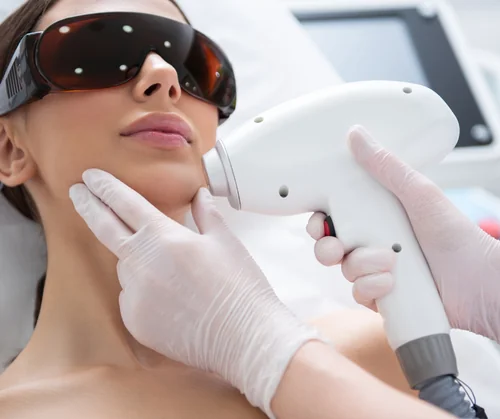
Your Complete Fraxel Laser Recovery Timeline Explained
Fraxel laser recovery follows a predictable pattern that spans roughly 5-7 days of visible healing, with your skin continuing to remodel and improve for weeks afterward. Immediately after treatment, your face will look and feel sunburned with significant redness, warmth, and swelling that peaks within the first 24 hours. Days 2-3 bring bronzing as your treated skin oxidizes and develops a dark, tanned appearance while maintaining tightness and heat. The peeling phase starts around day 3-4 when your bronzed skin begins flaking off in visible sheets, revealing pink fresh skin underneath that looks smoother but remains sensitive.
By day 5-7, most people have finished the obvious peeling and are left with residual pinkness that fades gradually over the following 2-4 weeks. Your skin will look noticeably more even-toned and refined once the initial inflammation resolves, though the full benefits won't be apparent until collagen remodeling completes around 6-12 weeks post-treatment. Understanding this day-by-day progression helps you plan time off work, prepare appropriate aftercare supplies, and recognize what's normal healing versus signs of complications that need medical attention.
The intensity of your recovery depends heavily on your treatment settings and which Fraxel system your provider used. Aggressive treatments with higher energy levels create more dramatic peeling and longer-lasting redness, while gentler settings produce milder side effects with faster visible recovery. Keep in mind that everyone's healing timeline varies based on skin type, age, overall health, and how diligently you follow aftercare instructions. While Fraxel is generally well-tolerated, complications can occur, so contact your provider immediately if you develop signs of infection, excessive pain, or unexpected symptoms during recovery.
Day 0: Immediately After Your Fraxel Laser Treatment
Your skin will feel intensely hot and tight within minutes of finishing your Fraxel session, with redness that ranges from moderate pink to deep crimson depending on your treatment intensity. Most people describe the sensation as having a bad sunburn combined with throbbing heat that seems to radiate from your face. Swelling starts appearing almost immediately, particularly around your eyes, cheeks, and jawline where skin is thinner and more reactive to laser energy.
Your provider applies cooling compresses and a thick barrier ointment before you leave the office to help manage the initial inflammatory response. The numbing cream has worn off by this point, so you'll feel the full extent of the heat and discomfort during your drive home. Many people notice their face continues getting redder and more swollen during the first few hours after treatment as the inflammatory cascade builds momentum.
What to do during the first 6-12 hours after treatment:
- Apply ice packs or cool compresses for 10-15 minutes every hour. Wrap ice in a clean cloth rather than applying it directly to your skin to avoid additional irritation. The cooling helps reduce swelling and provides temporary relief from the burning sensation, though the heat returns quickly once you remove the compress.
- Keep your head elevated when resting or sleeping. Use multiple pillows to prop yourself up at a 30-45 degree angle, which helps minimize facial swelling and prevents fluid from pooling around your eyes overnight. Many people find sleeping difficult the first night due to discomfort and the awkward positioning required to protect their treated skin.
- Apply prescribed healing ointment generously and frequently. Your skin needs constant moisture during this phase to prevent excessive drying and cracking. Most providers recommend reapplying ointment every 2-3 hours, creating a thick protective barrier that feels heavy but essential for proper healing.
Avoid touching your face unnecessarily, even though the tight sensation makes you want to massage or rub the treated areas. Your skin is extremely vulnerable to infection during these first hours since the laser has created thousands of microscopic wounds. Don't attempt to wash your face or apply any products beyond what your provider specifically recommended. Most people feel exhausted after treatment due to the physical stress of the procedure and the discomfort, so plan to rest at home rather than trying to accomplish anything productive.
Days 1-2: Peak Swelling and the Sunburn Phase
Swelling typically reaches its maximum intensity during the first 24-48 hours after Fraxel treatment, with some people experiencing significant puffiness that partially closes their eyes or distorts their facial features. The redness often intensifies rather than improving during this phase, and your skin maintains the hot, tight feeling from day zero. You might notice that the swelling is asymmetric, with one side of your face more puffy than the other, which is completely normal and will even out as healing progresses.
The sunburn sensation gradually shifts from acute burning to a persistent warmth combined with tightness and sensitivity. Your skin feels fragile and reactive to anything that touches it, including pillowcases, water, and even air movement. During day 2, you'll often see the beginning of bronzing as your damaged skin cells start oxidizing and developing a darker, tanned appearance that looks alarming but signals proper healing.
Most people can gently cleanse their face starting on day 1, using lukewarm water and the mildest cleanser possible. Pat your skin dry with a soft towel rather than rubbing, then immediately apply your healing ointment to prevent the tight, cracking sensation that develops when skin dries. You'll need to continue this cleanse-and-moisturize routine 2-3 times daily, always being extremely gentle to avoid disrupting the healing process.
The discomfort during days 1-2 often interferes with normal activities and sleep. Many people take over-the-counter pain relievers to manage the burning and tightness, though medication only takes the edge off rather than eliminating the sensation completely. You'll likely spend most of these days at home avoiding social situations since your appearance can be quite dramatic with the swelling and intense redness.
Days 3-4: Bronzing and the Start of Visible Peeling
Your skin develops a pronounced bronze or dark tan appearance during days 3-4 as the damaged cells fully oxidize and form a temporary protective layer over the healing tissue underneath. This bronzing looks like you spent days in harsh sun without sunscreen, creating an unnaturally dark tone that's especially obvious if you have naturally light skin. The bronzed layer feels rough, dry, and tight like leather, signaling that your skin is preparing to shed.
Visible peeling typically begins around day 3-4, starting as fine flaking along your jawline, around your mouth, or on your forehead. The peeling accelerates quickly once it starts, with larger sheets of bronzed skin loosening and lifting away from the fresh pink skin underneath. The texture during this phase can be quite obvious, with skin hanging in visible flaps or creating a scaly appearance that's difficult to hide even with moisturizer.
Managing the peeling phase without causing damage:
- Never pull, pick, or peel the flaking skin manually. Let everything come off naturally through gentle cleansing and moisturizer application. Forcibly removing skin creates raw spots that can scar or develop hyperpigmentation, completely undermining your treatment results.
- Apply moisturizer more frequently as dryness increases. The itching and tightness often intensify during peak peeling, making you want to constantly touch your face. Thick applications of bland moisturizer help reduce the itchy sensation and keep loosening skin from catching on clothing or pillowcases.
- Expect the peeling to look worse before it gets better. Days 3-5 typically represent the most visually dramatic phase of recovery when your skin actively sheds and looks quite obvious. Most people avoid work and social commitments during this window since makeup doesn't effectively camouflage the texture.
The itching during this phase can be intense and frustrating since you can't scratch without risking damage. Cool compresses provide temporary relief, and some providers recommend oral antihistamines to help manage the itchy sensation. You'll continue experiencing some redness and warmth underneath the bronzing, though the acute burning from days 0-2 should have resolved by this point. Understanding how Fraxel laser works helps you appreciate why this dramatic peeling represents successful treatment rather than a complication.
Days 5-7: Final Peeling and Emerging Fresh Skin
Most of the dramatic peeling finishes between days 5-7, leaving you with pink, smooth skin that looks noticeably more refined than before treatment. Small areas might continue flaking for another few days, particularly around your nose or in creases where skin thickness varies. The new skin underneath feels soft and slightly sensitive to touch but no longer has the fragile, reactive quality from earlier in recovery.
Redness persists but shifts from the intense crimson of days 1-3 to a more moderate pink flush that resembles mild inflammation rather than acute injury. This residual pinkness fades gradually over the following 2-4 weeks as your skin completes surface healing and inflammation fully resolves. Many people feel comfortable returning to work by day 7, especially if they can wear mineral makeup to tone down the remaining pinkness.
Your skin's texture improves dramatically once peeling completes, with a smoother surface and more even tone that makes the recovery process feel worthwhile. Fine lines appear softened, pores look smaller, and areas of hyperpigmentation that were targeted during treatment show visible fading. However, these initial improvements represent only a fraction of your final results since collagen remodeling continues for months after visible healing finishes.
By the end of week one, you can typically resume most normal activities with a few important restrictions. You'll need to continue strict sun avoidance, wear broad-spectrum sunscreen religiously, and stick with gentle skincare products rather than returning to active ingredients like retinoids or acids. Most providers clear you to wear makeup around day 5-7 once your skin has fully re-epithelialized and stopped actively peeling.
What to Expect After Fraxel Laser: Week 2 and Beyond
Week 2 brings continued improvement in redness and skin quality, with the pink flush fading noticeably day by day. Your skin maintains some sensitivity and may react more strongly than usual to temperature changes, wind, or certain skincare products. The smooth texture and improved tone become more apparent as inflammation subsides, giving you a better preview of your final results.
Some people develop small white bumps called milia during weeks 2-3 as dead skin cells become trapped in healing pores. These tiny cysts are common after aggressive skin treatments and typically resolve on their own within a few weeks. If they persist or bother you cosmetically, your provider can safely extract them during a follow-up appointment. Avoid trying to remove milia yourself since squeezing or picking can cause scarring.
Long-term healing and result development over months 1-3:
- Collagen production peaks around 6-12 weeks post-treatment. The visible improvements you see at week 1-2 continue building as your fibroblasts generate fresh collagen that fills in wrinkles and plumps your skin. Most people notice their skin looking progressively better throughout the second and third months, with final results becoming apparent around the three-month mark.
- Residual pinkness can linger for 4-8 weeks in some people. Fair-skinned individuals and those who received aggressive treatments often maintain a slight pink tone for several weeks beyond the initial healing period. This extended redness eventually fades completely but can be frustrating if you expected to look completely normal within 7-10 days.
- Sun exposure remains your biggest threat to results. Your healing skin has reduced melanin protection and will hyperpigment easily if exposed to UV radiation. Strict sun avoidance and daily broad-spectrum sunscreen application are non-negotiable for at least 3-6 months after treatment to protect your investment and prevent permanent pigmentation problems.
You can gradually reintroduce active skincare ingredients starting around week 3-4, though most providers recommend waiting 4-6 weeks before resuming retinoids or strong acids. Listen to your skin and back off if you notice increased irritation or sensitivity. The cost of Fraxel laser treatment typically covers the procedure itself but not the specialized aftercare products you'll need, so budget accordingly for gentle cleansers, healing moisturizers, and high-quality sunscreen.
How Long Is Downtime After Fraxel Laser Treatment
Fraxel laser downtime varies significantly based on treatment intensity, with conservative settings requiring 3-5 days before you look socially acceptable and aggressive treatments demanding 7-10 days of visible recovery. Most people can return to work and normal activities by day 5-7 if they're comfortable with residual pinkness and can wear makeup to camouflage remaining redness. However, if your job involves client-facing presentations or video calls where appearance matters significantly, you might prefer taking a full week off.
The concept of "downtime" means different things to different people. Some individuals feel fine appearing in public with obvious peeling and redness, while others won't leave their house until every trace of treatment has disappeared. Physical downtime is minimal since Fraxel doesn't impair your ability to work, exercise (gently), or function normally beyond the cosmetic appearance. Social and professional downtime is what most people actually worry about when planning their treatment schedule.
Factors that extend or shorten your Fraxel recovery period:
- Treatment intensity and energy settings. Higher energy levels remove more damaged tissue and trigger more aggressive inflammation, extending both the peeling duration and how long redness persists. Light treatments might involve just 3-4 days of mild flaking, while maximal settings can create 10+ days of obvious peeling and persistent pinkness.
- Your skin's natural healing capacity. Younger patients with healthy skin typically heal faster than older individuals or those with compromised skin health. Smoking, poor nutrition, certain medications, and underlying health conditions all slow healing and can extend your recovery timeline.
- How well you follow aftercare instructions. Diligent moisturizing, strict sun avoidance, and gentle skincare accelerate healing and minimize complications. People who skip recommended products, expose their skin to sun, or use harsh cleansers often experience prolonged redness and delayed peeling that extends their downtime.
- Whether you develop complications. Infections, severe reactions, or unexpected sensitivity can add weeks to your recovery and require medical intervention. Most complications are preventable through proper aftercare, but they do occasionally occur even with careful patients.
Plan your Fraxel treatment around a time when you can afford at least 5-7 days away from important social or professional commitments. Many people schedule treatments before long weekends or during slower work periods to minimize disruption. If you're getting multiple sessions as part of a treatment series, you'll need to repeat this downtime for each appointment, spacing them 4-6 weeks apart to allow complete healing between treatments.
When Can You Wear Makeup After Fraxel Laser
Most providers clear patients to wear makeup around day 5-7 after Fraxel treatment, once the skin has fully re-epithelialized and active peeling has finished. Applying makeup to open, oozing skin during days 1-4 creates infection risk and can interfere with proper healing by clogging the microscopic wounds left by laser treatment. Even once you're cleared for makeup, you'll need to stick with mineral-based formulas that won't irritate your sensitive healing skin.
The challenge with wearing makeup during Fraxel recovery isn't just about safety but about effectiveness. Trying to apply foundation over actively peeling skin often makes the flaking more visible rather than hiding it, creating a cakey appearance that draws more attention than bare skin would. Powder mineral foundations work better than liquid formulas during the late recovery phase since they don't emphasize texture as much, though nothing perfectly camouflages obvious peeling.
Best practices for makeup application during later recovery:
- Start with a hydrating primer or moisturizer base. Well-moisturized skin accepts makeup more smoothly and reduces the appearance of any remaining flaking or dry patches. Let your moisturizer fully absorb before applying color products to avoid creating a slippery, uneven surface.
- Use gentle application techniques with clean tools. Press or pat makeup onto your skin rather than rubbing or dragging, which can dislodge healing tissue or irritate sensitive areas. Wash brushes and sponges thoroughly before use to avoid introducing bacteria to your vulnerable skin.
- Remove makeup gently at the end of each day. Use the same mild cleanser recommended for your recovery routine rather than switching to harsh makeup removers. Your skin remains more sensitive than normal for weeks after treatment, so continue treating it gently even once you resume cosmetics.
Some people find they prefer to delay wearing makeup until week 2 when their skin has settled down and makeup applies more naturally. If you absolutely need to appear for work or events during peak peeling days, consider whether a simple concealer on specific spots works better than full-face foundation that emphasizes texture. Remember that the temporary cosmetic inconvenience leads to long-term improvement in your skin quality, making makeup application easier and more effective once healing completes.
Managing Fraxel Laser Aftercare for Optimal Healing
Successful Fraxel recovery depends heavily on following a strict but straightforward aftercare routine that prioritizes hydration, sun protection, and gentle care. Your skin's barrier function has been compromised by thousands of microscopic laser wounds, making it vulnerable to infection, dehydration, and damage from products that would normally be well-tolerated. The effort you invest in proper aftercare directly impacts both how quickly you heal and the quality of your final results.
Cleansing during recovery should be minimal and extremely gentle, using only lukewarm water and the mildest fragrance-free cleanser your provider recommends. Most dermatologists suggest cleansing just twice daily during the first week unless you've applied ointment so thickly that it needs removal. Over-cleansing strips away the protective oils your skin desperately needs and can increase irritation and drying.
Moisturization is your most important aftercare task, with many providers recommending applications every 2-3 hours during the first few days. Thick barrier ointments like Aquaphor or CeraVe Healing Ointment work well initially when your skin is most compromised, transitioning to lighter fragrance-free moisturizers like CeraVe Moisturizing Cream or Cetaphil once peeling begins. Your skin should never feel tight or dry during recovery since dehydration slows healing and increases scarring risk.
Sun protection is absolutely critical from day one through at least 3-6 months post-treatment. Your new skin lacks the protective melanin that normally shields against UV damage, making it extremely vulnerable to hyperpigmentation and sunburn. Stay indoors or in complete shade as much as possible during the first month, and wear broad-spectrum mineral sunscreen with at least SPF 30 anytime you're near windows or stepping outside, even briefly. Physical sun barriers like wide-brimmed hats and sun-protective clothing provide additional protection during the vulnerable healing period. The Fraxel laser treatment investment is wasted if you don't maintain strict sun protection afterward.
Fraxel Recovery Day by Day: Common Concerns and Solutions
Many people worry whether their recovery symptoms fall within normal parameters or indicate complications requiring medical attention. Some redness, swelling, heat, bronzing, and peeling are expected parts of Fraxel healing, but certain signs suggest problems that need provider evaluation. Contact your dermatologist immediately if you develop increasing pain rather than gradual improvement, oozing or crusting that seems excessive, fever, spreading redness, or any signs of infection.
Itching during the peeling phase drives many people crazy and makes them want to scratch or pick at their healing skin. Resist this urge completely since disrupting the natural shedding process causes scarring and pigmentation problems. Cool compresses, frequent moisturizer application, and oral antihistamines help manage itching without interfering with healing. Some providers prescribe short courses of topical or oral steroids for patients with particularly severe inflammatory reactions.
Troubleshooting common recovery problems:
- Prolonged redness beyond 2-3 weeks. While some pinkness is normal for 4-8 weeks, intensifying or persistent bright redness can indicate infection, allergic reaction, or excessive inflammation. Your provider might prescribe anti-inflammatory treatments or adjust your skincare routine to address extended redness.
- Hyperpigmentation developing during recovery. Dark patches that appear during healing usually result from sun exposure or inflammation and may become permanent if not addressed quickly. Strict sun avoidance and potentially prescription brightening agents can help prevent or minimize post-inflammatory hyperpigmentation.
- Excessive dryness and cracking despite moisturizer. Some people's skin doesn't respond well to standard recovery products and needs heavier occlusive ointments or different formulations. Contact your provider for product recommendations if your current routine isn't keeping your skin comfortable.
The emotional aspect of recovery can be challenging since you're investing significant money and dealing with a week of looking quite rough before seeing results. Many people feel frustrated or anxious during peak peeling days, wondering if the outcome will justify the process. Trust that the dramatic appearance during days 3-6 is temporary and represents proper healing rather than permanent damage. Your patience and diligent aftercare will be rewarded with smoother, more even-toned skin once the inflammatory phase resolves.