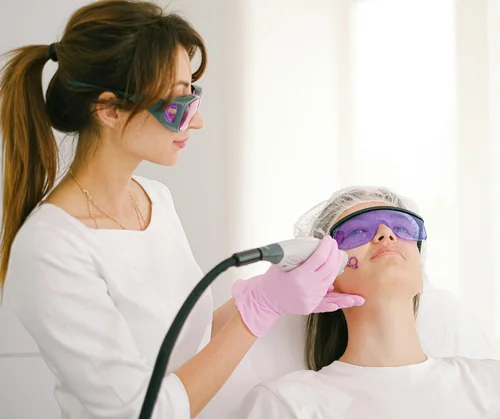
What You'll Actually Pay for Fraxel Laser Treatment
Fraxel laser treatments typically cost between $800 and $1,500 per session at most dermatology and medical aesthetics practices, with the national average landing around $1,100-$1,200 based on patient-reported data. However, pricing spans an enormous range from as low as $400 for very small treatment areas or promotional pricing up to $2,500 or more for full face treatments at premium practices in major metropolitan areas. The wide price variation reflects significant differences in treatment intensity, provider credentials, geographic location, and what's included in your quoted price.
Most people need 3-5 Fraxel sessions spaced 4-6 weeks apart to achieve their desired results, which means your total investment will likely range from $2,400 to $7,500 for a complete treatment series. Single sessions rarely deliver the improvement most patients want, so it's crucial to budget for multiple appointments rather than assuming one treatment will suffice. Some providers offer package pricing that reduces the per-session cost when you commit to a full series upfront, potentially saving you 10-20% compared to paying for each session individually.
The price you're quoted typically includes the laser treatment itself, numbing cream applied before the procedure, and immediate post-treatment care with cooling and protective ointment. However, it rarely covers the prescription medications, specialized skincare products, and follow-up appointments you'll need during recovery. Budget an additional $100-$300 for recovery supplies including gentle cleansers, healing ointments, mineral sunscreen, and potentially prescription antivirals or antibiotics your provider recommends. Keep in mind that cosmetic Fraxel treatments are never covered by health insurance since they're considered elective aesthetic procedures rather than medical necessities, even when treating acne scars or precancerous lesions.
Understanding the factors that drive Fraxel pricing helps you evaluate whether different providers are offering comparable treatments or if lower prices indicate reduced treatment quality, less experienced practitioners, or hidden costs that will emerge later. The cheapest option isn't always the best value if it means accepting suboptimal results or increased complication risks from inexperienced providers.
Breaking Down Fraxel Cost Per Session by Treatment Area
Full face Fraxel laser treatments represent the most common pricing tier, typically ranging from $1,000 to $1,800 per session depending on your provider and location. This pricing covers treatment from your hairline to your jawline including your entire forehead, cheeks, nose, chin, and typically extending to your upper lip and around your eyes. Some providers exclude the immediate eye area or charge separately for periorbital treatment since this delicate zone requires different settings and additional care.
Smaller targeted treatment areas cost significantly less than full face coverage, with pricing usually starting around $400-$600 for zones like just your forehead, cheeks, or around your mouth. However, the per-square-inch cost is often higher for small areas since providers still need to set up equipment, apply numbing cream, and dedicate appointment time regardless of treatment size. Treating multiple small areas separately can end up costing more than just doing your whole face at once, making full face treatment a better value if you have concerns across multiple zones.
Common Fraxel pricing by specific treatment area:
- Under eyes and periorbital region: $500-$900 per session. This delicate area requires careful energy calibration and takes significant skill to treat safely without causing complications. Some providers include under-eye treatment in full face pricing while others charge separately, so clarify what's included in your quote.
- Neck and décolletage: $600-$1,200 per session. These areas show significant sun damage and aging but are often overlooked in facial treatments. Adding neck treatment to your full face session typically costs 40-60% of the face price rather than the full single-area rate.
- Hands: $400-$700 per session. Hand rejuvenation with Fraxel targets age spots and textural changes from sun exposure. The smaller treatment area and relatively quick procedure time keeps costs lower than facial treatments.
- Acne scars or isolated concerns: $500-$1,000 per session. Spot treatments focusing on specific scars or problem areas cost less than full face coverage but may require more total sessions to blend treated zones with surrounding skin.
Geographic location dramatically impacts what you'll pay, with major metropolitan areas like New York, Los Angeles, San Francisco, and Miami commanding premium prices that can run 50-100% higher than the national average. The same Fraxel treatment that costs $900 in a suburban or rural practice might cost $1,500-$2,000 in Manhattan or Beverly Hills due to higher overhead costs, increased demand, and practices marketing to affluent clientele. Understanding how Fraxel laser works helps you evaluate whether different price points reflect actual treatment differences or just location-based markups.
Why Fraxel Laser Resurfacing Cost Varies So Dramatically
Provider credentials and experience level represent one of the biggest factors driving Fraxel price differences between practices. Board-certified dermatologists and plastic surgeons typically charge 30-50% more than medical spas, nurse practitioners, or physician assistants performing treatments under general physician supervision. You're paying for their extensive training, deeper understanding of skin biology, ability to handle complications, and experience calibrating treatments for optimal results with minimal side effects.
The specific Fraxel system your provider uses affects both treatment effectiveness and pricing. Fraxel Dual devices that combine both 1550nm and 1927nm wavelengths in a single platform cost more to operate and maintain than single-wavelength systems, often translating to higher per-session prices. Newer equipment with advanced features like improved cooling systems, precise depth control, and integrated tracking technology can justify premium pricing compared to older Fraxel systems that still work well but lack modern refinements.
Key factors that push Fraxel pricing higher:
- Treatment intensity and energy settings used. Providers who deliver more aggressive treatments with higher energy levels often charge more since they're removing more damaged tissue and creating more dramatic results per session. Conservative treatments with gentler settings might cost less but require more total sessions to achieve comparable outcomes, potentially costing more overall.
- What's included in your quoted price. Some practices bundle consultations, numbing cream, post-treatment products, and follow-up appointments into their session price, while others charge separately for these services. Always ask what's included and what costs extra to accurately compare pricing between providers.
- Practice overhead and facility quality. Upscale medical spas in premium locations with luxury amenities charge more than no-frills dermatology offices, even when using identical equipment and delivering similar treatments. You're partially paying for the environment and patient experience alongside the actual procedure.
- Provider demand and scheduling availability. Highly sought-after providers with months-long wait lists can command premium pricing that less popular practitioners can't justify. However, expensive doesn't always mean better, so research provider qualifications and patient reviews rather than assuming higher prices guarantee superior results.
Treatment packages and series pricing can significantly reduce your per-session cost when you commit to multiple appointments upfront. Many providers offer 3-session or 5-session packages that discount individual treatment prices by 10-25%, though you'll need to pay the full package cost immediately rather than spreading payments across months. These packages make financial sense if you're certain you want the full treatment series, but you lose flexibility if you're unhappy with results or experience complications after your first session.
How Many Fraxel Treatments Do You Need and Total Investment
The standard Fraxel treatment protocol involves 3-5 sessions spaced 4-6 weeks apart to achieve optimal skin improvement, with most dermatologists recommending at least 3 treatments as a minimum starting point. Your specific treatment count depends on your skin concerns, how aggressively your provider can treat during each session, your skin type and healing capacity, and how dramatic a transformation you're hoping to achieve. Someone addressing mild sun damage might see satisfactory results after 3 treatments, while severe acne scarring or deep wrinkles often require 5-7 sessions.
This multi-session requirement means your total Fraxel investment will likely range from $2,400 to $7,500 for a complete treatment series at average pricing. People who need more sessions, live in expensive markets, or choose premium providers can easily spend $8,000-$10,000 or more for their full course of treatments. Understanding this cumulative cost is essential for proper budgeting since many people assume they'll only need one or two sessions and feel frustrated when their provider recommends a longer treatment series.
Factors that influence your total treatment count and investment:
- Severity of your starting skin condition. Mild textural issues and light pigmentation typically respond to fewer treatments than severe scarring, deep wrinkles, or extensive sun damage. Your provider should give you a realistic session estimate during your consultation based on examining your skin.
- Treatment intensity per session. Providers who use conservative settings to minimize downtime typically recommend more total sessions than those who push energy levels higher. A very gentle approach might require 6-8 sessions to match the results of 3-4 aggressive treatments, though the lighter path involves less recovery disruption.
- Your age and collagen production capacity. Younger patients often see faster improvements requiring fewer treatments than older individuals whose collagen production has naturally slowed. Lifestyle factors including smoking, sun exposure, and overall health also impact how efficiently your skin responds.
Some people maintain their results for years with just annual maintenance sessions, while others need touch-ups every 6-12 months to preserve their improvements. Maintenance treatments typically cost the same per session as your initial series, though some providers offer reduced pricing for existing patients. Factor maintenance costs into your long-term budgeting if you want to preserve your investment rather than letting results gradually fade over time.
The recovery process from Fraxel laser requires 5-7 days of downtime per session, which means your complete treatment series will disrupt your schedule multiple times over 3-6 months. This time investment alongside the financial cost makes Fraxel a significant commitment that requires careful planning.
Average Cost of Fraxel Laser in Different U.S. Regions
Geographic pricing variations for Fraxel treatments reflect dramatic differences in cost of living, practice overhead, and local market dynamics across different regions. Major metropolitan areas on the coasts consistently command the highest prices, with New York City, Los Angeles, San Francisco, Miami, and Boston practices charging $1,300-$2,500 per session for standard full face treatments. These premium markets support higher pricing through dense populations of affluent patients willing to pay top dollar for cosmetic procedures.
Mid-sized cities and suburban areas typically price Fraxel treatments 20-40% lower than major metro markets, with average costs ranging from $900-$1,400 per session. Cities like Atlanta, Dallas, Denver, Seattle, and Chicago fall into this middle pricing tier where practices face moderate overhead costs and competitive pressure keeps prices somewhat in check. You can often find excellent providers in these markets offering quality treatments at more accessible price points than coastal premium locations.
Rural areas and smaller towns generally offer the lowest Fraxel pricing, sometimes as little as $600-$900 per session, though finding experienced providers with modern equipment can be more challenging in less populated regions. The lower cost of living and reduced competition allows practices to charge less while maintaining profitability, though you may need to travel to larger nearby cities to access the most experienced laser specialists.
Some people strategically combine Fraxel treatments with travel to lower-cost regions, particularly when pursuing full treatment series that would cost significantly more in their home market. However, this approach complicates follow-up care and makes it difficult to address complications if they arise, since you can't easily return to your provider. Most experts recommend staying local for procedures requiring multiple sessions and potential complication management rather than prioritizing cost savings over convenience and safety.
Is Fraxel Laser Worth the Cost Compared to Alternatives
Fraxel laser treatment sits in the middle of the skin resurfacing price spectrum, costing more than gentler options like chemical peels or microneedling but less than fully ablative CO2 laser resurfacing. Medium-depth chemical peels typically cost $150-$400 per session, microneedling runs $200-$700 per session, and professional microdermabrasion costs $75-$200 per session. While these alternatives involve lower per-session costs, they often require more total treatments to achieve results comparable to Fraxel and deliver more modest improvements overall.
Fully ablative CO2 laser resurfacing delivers more dramatic results than Fraxel but costs significantly more per session, typically ranging from $2,000-$5,000 for full face treatment. However, CO2 laser often achieves in one session what might take 3-5 Fraxel treatments to accomplish, potentially making the total investment comparable despite the higher single-session cost. The major difference lies in recovery time since CO2 laser requires 10-14 days of intensive healing compared to Fraxel's 5-7 day downtime.
Cost-effectiveness comparison for common skin concerns:
- Mild sun damage and prevention. Gentler options like Clear + Brilliant laser ($300-$500 per session) or regular chemical peels may deliver adequate results at lower cost than Fraxel. These lighter treatments work well for maintenance and early intervention before damage becomes severe.
- Moderate wrinkles and textural issues. Fraxel typically offers better value than multiple sessions of gentler treatments while avoiding the extreme recovery and high cost of fully ablative lasers. The balance of meaningful results with manageable downtime justifies the mid-range pricing for most people.
- Severe scarring and deep wrinkles. Fully ablative CO2 laser or even surgical interventions often make more financial sense than pursuing numerous Fraxel sessions that may deliver only modest improvement. While more expensive upfront, aggressive treatments avoid the frustration and cumulative cost of multiple inadequate sessions.
The "worth it" calculation depends heavily on your specific concerns, budget constraints, and lifestyle. Fraxel makes financial sense for people with moderate skin issues who want significant improvement without committing to fully ablative recovery. Those with very mild concerns or very severe damage might get better value from less or more aggressive treatments respectively.
Ways to Make Fraxel Laser More Affordable
Package deals and series pricing represent the most straightforward way to reduce your per-session Fraxel cost, with many providers offering 10-25% discounts when you purchase multiple treatments upfront. A provider charging $1,200 per individual session might offer a 3-treatment package for $3,000 or a 5-treatment series for $4,800, saving you $600-$1,200 compared to paying session-by-session. These packages require larger upfront payment but maximize value if you're committed to completing a full treatment series.
Timing your treatments around promotional periods can yield significant savings, with many practices offering special pricing during slower months or around holidays. Black Friday, January, and summer months often bring Fraxel promotions ranging from 15-30% off regular pricing. However, never choose a provider based solely on promotional pricing since inexperienced or poorly qualified practitioners sometimes use aggressive discounts to attract patients they wouldn't otherwise draw.
Additional strategies for reducing Fraxel treatment costs:
- Consider training institutions and medical schools. Dermatology residency programs and medical school teaching facilities sometimes offer Fraxel treatments performed by supervised residents at reduced rates. While treatments take longer and involve trainee providers, you benefit from attending physician oversight and significantly lower costs, often 30-50% below private practice pricing.
- Target smaller treatment areas rather than full face. If your concerns concentrate in specific zones, treating just those areas costs substantially less than full face coverage. However, make sure this approach won't create obvious demarcation lines between treated and untreated skin that look worse than your original concerns.
- Ask about loyalty programs and referral discounts. Many practices offer reduced pricing for repeat patients or provide credits when you refer friends and family. These programs can reduce your maintenance treatment costs or help offset your initial investment through referral bonuses.
- Inquire about payment plans and medical financing. Options like CareCredit, Alphaeon, and practice-specific payment plans let you spread costs over 6-24 months, making larger treatment series more accessible. However, carefully review interest rates and terms since promotional periods often expire, leaving you with significant interest charges if you don't pay off balances quickly.
Never sacrifice provider quality or treatment safety to save money on Fraxel laser procedures. Complications from poorly performed treatments can cost far more to correct than you saved initially, both financially and in terms of permanent skin damage. Research provider credentials thoroughly and prioritize experience and patient reviews over finding the absolute lowest price.
What's Included in Your Fraxel Laser Price Quote
Most Fraxel treatment prices include the laser procedure itself, pre-treatment numbing cream application, and immediate post-treatment care with cooling compresses and protective ointment. Your provider applies topical anesthetic about 45-60 minutes before the laser work begins, then treats your selected area with the Fraxel device before applying healing products and giving you aftercare instructions. This basic service represents what you're primarily paying for when quoted a per-session price.
However, many additional costs exist beyond the base treatment fee that can add several hundred dollars to your total investment. Initial consultations often cost $100-$300, though some practices apply this fee toward treatment if you proceed. Prescription medications including antivirals, antibiotics, or prescription-strength healing ointments typically aren't included and can add $50-$150 to your costs. Follow-up appointments to assess healing and results may be complimentary or cost $75-$150 each depending on your provider's policies.
Common extra costs not included in base Fraxel pricing:
- Specialized recovery skincare products. Most providers recommend specific gentle cleansers, healing moisturizers, and mineral sunscreens for optimal recovery. While you can purchase drugstore alternatives, medical-grade products specifically formulated for post-laser healing often cost $100-$200 for the full recovery regimen.
- Pre-treatment skin preparation products. Some providers require several weeks of pre-treatment with hydroquinone or other brightening agents to reduce post-inflammatory hyperpigmentation risk, particularly for darker skin tones. These preparatory products add $50-$150 to upfront costs.
- Touch-up treatments or additional sessions. If your initial treatment series doesn't achieve your desired results, additional sessions cost the same per-treatment rate unless your provider offers package discounts for extended series.
Always ask for itemized pricing during your consultation that breaks down exactly what's included in the quoted price and what additional costs you should expect. Some practices bundle everything into one comprehensive fee while others charge separately for each component, making direct price comparisons difficult without understanding what each quote actually covers. Get written pricing estimates that detail all anticipated costs rather than just verbal quotes that might not include important extras.
Fraxel Laser Cost by Provider Type and Credentials
Board-certified dermatologists represent the highest-priced provider category for Fraxel treatments, typically charging $1,200-$2,500 per session depending on their experience level and practice location. Dermatologists complete four years of specialized residency training focused exclusively on skin conditions and cosmetic procedures after medical school, giving them deep expertise in skin biology, laser physics, and complication management. Their higher fees reflect this extensive training and their ability to handle complex skin types and unexpected reactions.
Plastic surgeons who perform Fraxel treatments usually price similarly to dermatologists, ranging from $1,200-$2,200 per session at most practices. While plastic surgeons focus more on surgical procedures than dermatologic laser work, many develop strong laser skills and can deliver excellent Fraxel results. They bring valuable expertise in facial anatomy and aesthetics that enhances treatment planning and outcome optimization.
Medical spas and cosmetic clinics staffed by nurse practitioners, physician assistants, or medical aestheticians under physician supervision typically charge less than physician-performed treatments, with pricing ranging from $700-$1,400 per session. These mid-level providers often have extensive Fraxel experience despite their lower credential levels, though they work under protocols established by supervising physicians. The reduced cost reflects their different training path and generally lower overhead compared to physician-owned practices.
Key considerations when choosing providers based on price:
- Experience matters more than credentials for routine cases. A highly experienced nurse practitioner who's performed thousands of Fraxel treatments may deliver better results than a dermatologist who rarely uses lasers. Ask about specific laser experience and request before/after photos of patients with similar skin types and concerns.
- Physician backup and supervision are essential. If seeing a mid-level provider to reduce costs, ensure a qualified physician is readily available for consultation if complications arise. Some practices use physicians only for initial consultations while mid-level staff perform all actual treatments, which can be appropriate if proper oversight exists.
- Skin type complexity affects provider choice. People with darker skin tones, unusual scarring patterns, or complicated medical histories should strongly consider physician-level providers who can better navigate treatment challenges and reduce complication risks. The cost savings from choosing cheaper providers isn't worth increased risk of permanent complications.
Regional regulations vary significantly regarding who can legally perform Fraxel treatments, with some states requiring physician supervision while others allow independent practice by licensed aestheticians. Research your state's requirements and verify your provider operates within legal boundaries, since unlicensed practitioners offering suspiciously cheap treatments may be operating illegally.
Insurance Coverage and Tax Deductions for Fraxel Laser
Fraxel laser treatments are almost never covered by health insurance when performed for cosmetic purposes like reducing wrinkles, improving skin texture, or fading sun damage. Insurance companies classify these treatments as elective aesthetic procedures that improve appearance rather than treating medical conditions, making them ineligible for coverage under standard health plans. Even when treating acne scars or other scarring that impacts quality of life, most insurers deny coverage since scar revision is typically considered cosmetic unless scars cause functional impairment.
Very limited exceptions exist where insurance might contribute to Fraxel costs, primarily when treating precancerous actinic keratoses or other medical dermatology conditions where laser treatment serves a therapeutic rather than cosmetic purpose. However, these medical indications usually involve ablative lasers rather than the non-ablative Fraxel systems most commonly used for cosmetic rejuvenation. If you believe your condition might qualify for coverage, get written pre-authorization from your insurance company before proceeding with treatment to avoid unexpected bills.
Fraxel laser treatments generally don't qualify as tax-deductible medical expenses since the IRS classifies them as cosmetic procedures. The tax code allows deductions only for procedures that meaningfully promote proper bodily function or prevent/treat illness, explicitly excluding treatments primarily for improving appearance. Even substantial out-of-pocket costs for multiple Fraxel sessions typically can't be claimed on your taxes unless your specific situation involves unusual medical circumstances that make treatment medically necessary rather than elective.
Flexible Spending Accounts (FSAs) and Health Savings Accounts (HSAs) usually can't be used for cosmetic Fraxel treatments either, since IRS rules governing these accounts mirror medical expense deduction criteria. Some people mistakenly believe HSAs offer a loophole for paying cosmetic procedure costs with pre-tax dollars, but using HSA funds for non-qualified expenses triggers penalties and tax consequences. Always verify expense eligibility with your FSA/HSA administrator before using these accounts for laser treatments.