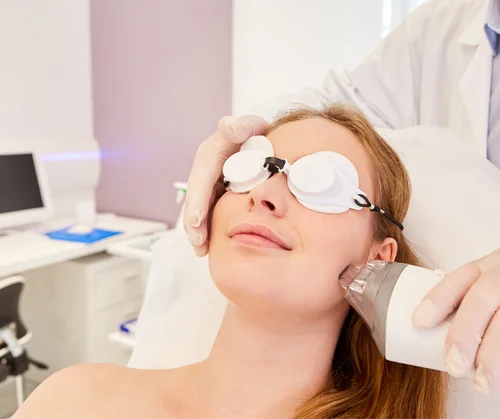
How Fraxel Laser Treatment Actually Works on Your Skin
Fraxel laser creates thousands of microscopic treatment zones in your skin using fractional photothermolysis technology, which treats only a portion of your tissue at a time while leaving surrounding areas intact. Each laser pulse delivers concentrated heat energy into narrow columns that penetrate through your epidermis into the deeper dermal layers, vaporizing old damaged cells and triggering your body's wound healing response. Unlike older ablative lasers that remove your entire skin surface, Fraxel targets between 20-40% of the treatment area in a precise grid pattern, allowing the untreated tissue to support faster recovery.
The laser energy gets absorbed by water molecules in your skin cells, creating controlled thermal injury that destroys pigmented cells, breaks down damaged collagen, and signals your body to begin repair processes. Your skin responds by flooding the treated zones with growth factors and inflammatory cells that clear away debris and start building fresh collagen matrices. New skin cells migrate from the untreated zones and from deeper skin structures to resurface the microscopic wounds, typically completing this initial healing within 5-7 days.
The real transformation happens over the following 3-6 months as your fibroblasts continue producing new type III collagen that gradually remodels into stronger type I collagen. This organized collagen network fills in wrinkles, smooths textural irregularities, and provides structural support that makes your skin look firmer and more youthful. Unlike temporary fixes that sit on your skin's surface, Fraxel laser resurfacing works from the inside out by actually changing your skin's cellular structure and composition. However, because Fraxel doesn't remove your entire protective barrier like fully ablative treatments, you get meaningful improvements without the extreme downtime and complication risks that come with more aggressive approaches.
Different Types of Fraxel Laser Systems and Their Wavelengths
The Fraxel name covers several distinct laser systems that use different wavelengths and energy delivery methods to target specific skin concerns. Fraxel Restore (also called Fraxel Re:store) uses a 1550nm erbium glass laser wavelength that penetrates into the mid-dermis without removing any surface skin, classifying it as a non-ablative treatment. This wavelength gets absorbed by water in your dermal tissue, creating heat that stimulates collagen without breaking your skin's protective barrier, making it the gentlest option with minimal visible peeling.
Fraxel Dual combines two wavelengths in a single device: the 1550nm erbium laser for deeper collagen stimulation plus a 1927nm thulium fiber laser that targets the more superficial epidermis. The 1927nm wavelength specifically homes in on pigmented cells and water in your upper skin layers, making it particularly effective for treating sun damage, age spots, and melasma. This combination approach lets providers customize treatments by adjusting the ratio of deep versus superficial energy delivery based on whether you're primarily concerned with wrinkles, texture, or pigmentation.
Key differences between Fraxel systems:
- Fraxel Repair uses a 10600nm CO2 laser. This is the most aggressive Fraxel option and works similarly to traditional CO2 laser resurfacing by actually vaporizing columns of tissue through your full skin thickness. It delivers the most dramatic results for severe wrinkles and deep scars but requires 7-10 days of intensive recovery with significant swelling and oozing during initial healing.
- Non-ablative wavelengths (1550nm, 1927nm) preserve your skin barrier. These options allow you to return to normal activities within a few days since your skin maintains its protective function throughout healing. You'll experience temporary swelling, redness, and bronzing, but you won't have open wounds that require constant ointment application like ablative treatments demand.
- Treatment intensity varies significantly within each system. Your provider controls the energy level, density of treatment zones, and number of passes based on your skin condition and tolerance. A light Fraxel Dual treatment might cause minimal downtime while an aggressive setting can create substantial peeling and require a week of recovery.
The technology behind Fraxel laser resurfacing represents a middle ground between gentler treatments that barely touch your skin and aggressive ablative procedures that remove your entire surface layer. Most dermatology and medical aesthetics practices offering Fraxel use either the Dual or Restore systems since these provide the best balance of visible results with manageable recovery for most patients.
The Science Behind Fractional Laser Fraxel Technology
The fractional approach that defines Fraxel laser treatment fundamentally changed how providers could safely deliver intense laser energy without causing the severe complications associated with older full-field resurfacing. Traditional ablative lasers treated 100% of your skin surface, removing your entire protective barrier and leaving you vulnerable to infection, scarring, and prolonged healing. Fraxel's breakthrough involves creating a pattern of microscopic treatment columns surrounded by healthy, untreated tissue that serves as a reservoir of stem cells and growth factors to accelerate healing.
Each treatment zone measures roughly 50-100 microns in diameter and extends anywhere from 400 to 1500 microns deep depending on the energy settings and wavelength used. The laser creates these columns in a precise grid pattern with consistent spacing between each zone, treating thousands of individual spots across the full treatment area. Depending on the density setting your provider chooses, anywhere from 20% to 40% of your total skin surface receives direct laser energy during a single pass.
The untreated tissue between laser columns does multiple jobs during your recovery. First, it provides mechanical support that prevents the treated skin from collapsing or creating textural irregularities. Second, the healthy cells in these zones actively migrate into the wounded areas within 24-48 hours, rapidly resurfacing the microscopic injuries before bacteria can colonize them. Third, blood vessels in the untreated zones maintain circulation and nutrient delivery to the healing tissue, supporting the collagen production and cell turnover that create your visible results.
This fractional pattern also allows for heat stacking when providers make multiple passes over the same area. The thermal energy from each subsequent pass adds to residual heat in the tissue, effectively increasing treatment depth without changing the individual pulse settings. Experienced providers use this technique to customize treatment intensity across different facial zones, going lighter around delicate areas like your eyelids while delivering more aggressive energy to thick-skinned areas like your cheeks or forehead.
What Happens During a Fraxel Laser Treatment Session
Your provider starts by thoroughly cleansing your skin to remove all makeup, oils, and debris that could interfere with laser penetration or increase infection risk. They'll apply a thick layer of topical numbing cream about 45-60 minutes before your scheduled laser time, covering the entire treatment area with an occlusive dressing to help the anesthetic penetrate more effectively. Most people need this pre-treatment numbing to tolerate the heat sensations during the procedure, though pain tolerance varies significantly between individuals.
Once you're adequately numb, your provider removes the anesthetic cream and may apply a thin layer of blue chromophore gel to your skin. This FDA-approved optical tracking dye helps the laser's computer system identify areas that need treatment while monitoring which zones have already received energy to ensure even coverage. The blue tint concentrates in areas with more pigmentation and sun damage, creating a treatment map that guides your provider throughout the session.
The actual laser treatment involves systematic passes across your treatment area:
- Your provider moves the handpiece in overlapping patterns. The Fraxel device automatically delivers hundreds or thousands of microscopic pulses as it glides across your skin, creating a stamping sensation accompanied by mild heat and sometimes a prickling feeling. Each pass takes several minutes depending on the size of the treatment zone, with full face treatments typically requiring 20-30 minutes of active laser time.
- You'll feel varying levels of discomfort across different areas. The thinner skin around your eyes and upper lip tends to be more sensitive than your cheeks or forehead. Most people describe the sensation as similar to snapping a rubber band against your skin combined with warmth, though some areas can feel intensely hot for a few seconds after each pulse. Your provider frequently checks in about your comfort level and can adjust settings if you're struggling to tolerate the treatment.
- Built-in cooling helps manage heat accumulation. Modern Fraxel devices include cooling mechanisms that blow cold air across your skin between pulses or immediately after treatment to minimize discomfort and reduce swelling. This cooling is essential for preventing excessive thermal damage that could lead to blistering or unwanted side effects.
Immediately after finishing the laser treatment, your skin will look bright red and feel hot like a moderate to severe sunburn. Your provider applies a thick barrier cream or healing gel to soothe the treated area and protect your skin during the initial inflammatory response. They'll give you detailed aftercare instructions covering how often to apply moisturizer, which products to avoid, and warning signs that would require immediate contact. The whole appointment including numbing time, treatment, and post-treatment care typically takes about 90 minutes to two hours.
Breaking Down Fraxel Laser Recovery Day by Day
The immediate aftermath of Fraxel laser treatment involves significant redness, warmth, and swelling that peaks within the first 24 hours after your session. Your face will feel tight, hot, and sensitive to touch, with swelling often most pronounced around your eyes and cheeks. This initial inflammatory response is completely normal and indicates your skin is beginning its healing cascade. Most people need to plan for staying home and avoiding social commitments for at least the first full day while their skin looks its most dramatic.
Days 2-3 bring the "bronzing" phase where your treated skin develops a dark, tanned appearance as the damaged cells oxidize and prepare to shed. The bronzing looks alarming but signals that the treatment worked—it's essentially your damaged skin cells dying and forming a temporary protective layer over the healing tissue underneath. During this phase, your skin typically feels rough, tight, and slightly itchy as the cellular turnover accelerates. You can gently cleanse and moisturize but need to resist any urge to scrub or exfoliate the bronzed layer.
What to expect during peak recovery days 4-7:
- Visible peeling and flaking begins. Your bronzed skin starts shedding in fine flakes or sometimes larger sheets, revealing pink fresh skin underneath. This peeling can be obvious and may interfere with your ability to wear makeup or appear professional in work settings. The skin coming off looks similar to what happens after a moderate sunburn, though the texture underneath is smoother and more refined than typical sunburn recovery.
- Itching intensifies as healing progresses. The sensation of tight, itchy skin can be frustrating since you can't scratch without risking damage to your new skin. Applying recommended moisturizers and using cool compresses helps manage the discomfort without interfering with the natural shedding process.
- Makeup application becomes tricky. Putting foundation or powder over actively peeling skin often makes the flaking more visible rather than hiding it. Mineral-based makeup works better than liquid formulas, but many people find it easier to skip makeup entirely during peak peeling days rather than fighting against the texture.
By day 7-10, most of the visible peeling has finished and you're left with pink, slightly sensitive skin that looks noticeably smoother and more even-toned than before treatment. The pinkness gradually fades over the following 2-4 weeks as inflammation resolves and your skin completes its surface healing. However, the deep collagen remodeling continues for months after your skin looks normal, meaning your results keep improving long after the visible recovery from Fraxel laser has finished.
How Many Fraxel Treatments Do You Actually Need for Results
Most providers recommend a series of 3-5 Fraxel laser sessions spaced 4-6 weeks apart to achieve optimal improvement in skin texture, tone, and wrinkle reduction. This treatment series approach allows your skin to build collagen progressively between sessions while giving adequate time for inflammation to resolve before the next round of controlled injury. Each session builds on the improvements from previous treatments, creating cumulative effects that typically exceed what a single aggressive session could accomplish safely.
The number of treatments you need depends heavily on your starting skin condition and how aggressively your provider can treat during each session. Someone with mild sun damage and fine lines might see satisfactory results after 2-3 treatments, while severe acne scarring or deep wrinkles often require 5 or more sessions to achieve meaningful improvement. Your skin type also impacts treatment planning since darker skin tones usually need gentler settings delivered over more sessions to avoid pigmentation complications.
Factors that influence your total treatment count:
- Treatment intensity and energy settings. Providers who use conservative settings to minimize downtime and side effects typically recommend more total sessions than those who push energy levels higher. A very gentle Fraxel treatment might require 6-8 sessions to match the results of 3-4 aggressive treatments, though the lighter approach involves less recovery disruption between appointments.
- Specific concerns being addressed. Pigmentation issues like sun spots and melasma often respond well to fewer treatments (3-4 sessions) compared to deep wrinkles or scarring that may need 5-7 sessions. Combining different Fraxel wavelengths or alternating between laser treatments and other modalities can sometimes reduce the total number of sessions needed.
- Your body's collagen production capacity. Younger patients with healthier baseline skin typically see faster, more dramatic improvements requiring fewer treatments than older individuals whose collagen production has naturally slowed. Lifestyle factors including smoking, sun exposure, and overall health significantly impact how well your skin responds to each session.
Most people start seeing visible improvements after their second treatment, with results continuing to build through the final session and beyond. The collagen remodeling triggered by your last treatment can continue improving your skin for 3-6 months afterward, so your final outcome won't be apparent until roughly six months after completing your treatment series. Some individuals maintain their results for years with just annual maintenance sessions, while others need touch-ups every 6-12 months to preserve their improvements.
Ablative vs Non Ablative Fraxel: Understanding the Difference
The fundamental distinction between ablative and non ablative Fraxel laser treatments lies in whether the laser energy vaporizes your skin's surface layer or penetrates beneath it while leaving the surface intact. Ablative Fraxel (primarily Fraxel Repair using CO2 technology) removes columns of tissue entirely, creating actual wounds that must heal from the bottom up through a process of cellular migration and tissue regeneration. Non ablative Fraxel (Restore and the 1550nm setting on Dual) heats tissue without removing it, stimulating collagen production through controlled thermal injury while your skin barrier remains functional.
Ablative treatments deliver more dramatic results per session since they remove damaged tissue completely and trigger more aggressive wound healing responses. The tissue destruction forces your body to completely rebuild the treated zones from scratch, typically producing tighter skin, better wrinkle reduction, and more significant textural improvements than non ablative options. However, this enhanced effectiveness comes with substantially longer recovery periods, higher infection and scarring risks, and more post-treatment discomfort.
Non ablative Fraxel treatments work more subtly by heating your dermal tissue to temperatures that denature old collagen and trigger remodeling without breaking through your epidermis. Your skin's protective barrier stays intact throughout treatment and recovery, dramatically reducing infection risk and allowing you to return to normal activities within days rather than weeks. The trade-off involves needing more treatment sessions to achieve results comparable to ablative approaches, with improvements that tend to be more gradual and moderate.
The 1927nm wavelength on Fraxel Dual occupies a middle ground since it's technically ablative but only treats the very superficial epidermis. This creates mild surface disruption with some visible peeling but nowhere near the intensity of full CO2 ablation. Many providers use the 1927nm setting for pigment concerns while reserving the 1550nm non ablative wavelength for deeper collagen stimulation, sometimes combining both in a single treatment session.
Your best option depends on balancing desired results against lifestyle constraints and risk tolerance. If you can accommodate 7-10 days of serious downtime and want maximum improvement from minimal sessions, ablative Fraxel Repair might make sense. For most people dealing with moderate aging concerns who need to maintain work and social schedules, non ablative Fraxel Restore or Dual provides a better balance of meaningful results with manageable recovery.
Who Makes a Good Candidate for Fraxel Laser Treatment
Ideal Fraxel candidates have light to medium skin tones (Fitzpatrick types I-III) with visible sun damage, fine to moderate wrinkles, textural irregularities, or acne scarring that hasn't responded adequately to topical treatments or less aggressive procedures. People in their 30s through 60s tend to see the best results since they still have reasonable collagen production capacity to support the healing response while having enough accumulated skin damage to make the treatment worthwhile. You should be in overall good health with realistic expectations about what Fraxel can and can't accomplish for your skin.
People with darker skin tones (Fitzpatrick types IV-VI) can undergo Fraxel treatments but face higher risks of post-inflammatory hyperpigmentation and other pigment complications. Experienced providers who regularly treat darker skin can often deliver successful Fraxel sessions using carefully calibrated settings and extensive pre-treatment preparation with skin lightening agents. However, many dermatologists recommend alternative treatments for darker complexions that carry lower pigmentation risks while still delivering meaningful rejuvenation.
Conditions and factors that may disqualify you from Fraxel treatment:
- Active acne, rosacea flares, or inflammatory skin conditions. Your skin needs to be calm and healthy before undergoing laser treatment. Active inflammation or infection increases complication risks and can lead to poor healing outcomes including scarring or worsened pigmentation.
- Recent isotretinoin (Accutane) use within the past 6-12 months. Accutane impairs skin healing for months after discontinuation, significantly increasing scarring risk from laser treatments. Most providers won't treat anyone who's taken Accutane within the past year regardless of how healthy their skin currently appears.
- History of keloid formation or abnormal scarring. If your body tends to create thick, raised scars in response to injury, you'll likely develop similar complications from laser treatment. Providers should refuse Fraxel treatment for anyone with documented keloid tendencies.
- Unrealistic expectations about downtime or results. If you believe Fraxel will eliminate all your wrinkles in one session with no recovery period, you need more education before proceeding. The treatment requires multiple sessions and involves real downtime that impacts your daily life, even with non ablative options.
- Pregnancy or current breastfeeding. While there's no definitive evidence that laser treatments harm pregnancy, most providers avoid treating pregnant or nursing women out of an abundance of caution. You'll need to wait until you're no longer breastfeeding before scheduling Fraxel sessions.
Certain medications including blood thinners, immune suppressants, and photosensitizing drugs can increase complication risks or interfere with healing. Provide your complete medication list during consultation so your provider can identify any problematic interactions. Sun worshippers who can't commit to strict sun avoidance and daily sunscreen use shouldn't undergo Fraxel since UV exposure will negate your results and can cause permanent pigmentation problems during the healing period.
Fraxel Laser Resurfacing Results: What Actually Improves
The most consistent improvements from Fraxel laser treatment show up in overall skin texture and tone rather than dramatic wrinkle elimination. Your skin should feel noticeably smoother to the touch with reduced roughness and refined pore appearance. Fine lines, especially those caused by sun damage rather than muscle movement, often soften by 40-60% after a complete treatment series. Brown spots, age spots, and areas of uneven pigmentation typically fade significantly as the laser breaks down melanin clusters and promotes even distribution of pigment in your new skin.
Acne scars respond particularly well to Fraxel treatments, especially shallow rolling scars and boxcar scars that involve textural irregularities rather than deep ice pick indentations. The collagen stimulation helps fill in depressed areas while smoothing raised scar tissue, creating a more uniform skin surface. However, very deep scars that involve significant tissue loss may need additional treatments like subcision, dermal fillers, or more aggressive ablative lasers to achieve meaningful improvement.
What typically changes after completing a Fraxel series:
- More even skin tone with reduced pigmentation. Sun damage, freckles, and age spots fade as damaged melanin-containing cells are replaced with fresh, evenly pigmented skin. Your overall complexion often looks brighter and more uniform without the mottled appearance that accumulated UV exposure creates.
- Improved skin texture and refined pores. The surface of your skin becomes smoother with less obvious pore size and reduced rough patches. This textural improvement makes makeup application easier and creates a more polished appearance even without cosmetics.
- Modest reduction in fine lines and shallow wrinkles. Static wrinkles caused by collagen loss and sun damage improve as fresh collagen fills in the creases. However, deep expression lines and wrinkles from repetitive muscle movement won't change dramatically since Fraxel doesn't address the underlying muscle activity.
- Slight skin tightening through collagen contraction. The new collagen your body produces after Fraxel treatments contracts as it matures, creating mild tightening effects. This improvement is subtle compared to surgical lifts but can make your skin look firmer and more youthful.
What won't change includes significant skin laxity, deep nasolabial folds, jowling, or structural sagging that requires surgical intervention to correct. Fraxel also won't eliminate dynamic wrinkles that appear when you make facial expressions unless you combine treatments with neurotoxin injections. Understanding how Fraxel laser costs compare to the results you're likely to achieve helps set realistic expectations about whether the investment makes sense for your specific concerns.
Your results typically last 1-3 years depending on your age, skin care habits, and sun exposure. The collagen you build during treatment provides lasting structural support, but your skin continues aging naturally and accumulating new damage over time. Many people schedule annual maintenance treatments to preserve their improvements rather than waiting until their skin returns to pre-treatment condition.
Comparing Fraxel to Other Laser Resurfacing Options
Fraxel occupies a specific niche in the laser resurfacing spectrum that balances meaningful results with moderate downtime and reasonable complication risks. Fully ablative CO2 and erbium lasers deliver more dramatic improvements for severe wrinkles and deep scars but require 1-2 weeks of intensive recovery with higher risks of scarring and pigment changes. These aggressive treatments remove your entire skin surface, making them too intense for many people's concerns and lifestyle constraints.
Gentler non-ablative lasers like Clear + Brilliant (essentially Fraxel's baby sister), IPL, and broadband light treatments involve minimal to no downtime but deliver more subtle improvements requiring regular maintenance. These options work well for early aging prevention and mild textural concerns but won't significantly impact moderate wrinkles, established sun damage, or scarring the way Fraxel can. Think of them as preventive maintenance while Fraxel addresses existing moderate damage.
How different laser treatments compare for common concerns:
- Moderate wrinkles and sun damage. Fraxel typically outperforms gentler options while avoiding the extreme recovery of full ablative treatments. It offers better cost-effectiveness than multiple sessions of minimal-downtime treatments that deliver incremental improvements.
- Acne scarring. Fraxel works well for shallow to moderate scars, while deeper ice pick or boxcar scars often need fully ablative lasers or combination approaches including subcision and fillers. Very mild scarring might respond adequately to even gentler fractional devices.
- Pigmentation and brown spots. IPL and BBL can be more targeted and effective for pure pigment concerns without the recovery demands of Fraxel. However, if you're addressing both pigmentation and texture simultaneously, Fraxel's dual-action approach often makes more sense.
- Skin tightening and laxity. Radiofrequency devices like Thermage or ultrasound treatments like Ultherapy target skin tightening more specifically than Fraxel. If loose skin is your primary concern rather than surface quality, these non-laser options might deliver better results.
The "best" treatment depends on matching your specific concerns to the appropriate technology while considering your tolerance for downtime and risk. Fraxel makes sense for people with multiple moderate concerns who want significant improvement without committing to fully ablative recovery. Those with severe damage or limited concerns might be better served by more aggressive or more targeted treatments respectively.