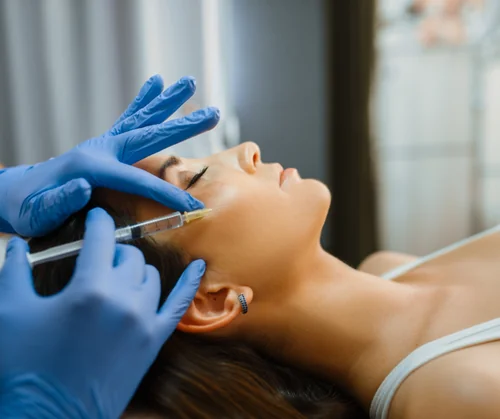
Xeomin Cost Breakdown
Xeomin typically costs $8-$18 per unit in the United States, positioning it as a moderately priced neurotoxin option. Total treatment cost depends on how many units you need, which varies by treatment area, muscle strength, and desired results.
Average total costs by area:
- Frown lines (glabellar): 20 units = $160-$360
- Forehead lines: 20-30 units = $160-$540
- Crow's feet (both eyes): 24 units = $192-$432
- Full upper face: 60-75 units = $480-$1,350
Annual maintenance budget: Most people need 3-4 treatments yearly, so expect $600-$1,800 annually for a single area or $1,500-$4,000+ for multiple areas.
The American Society of Plastic Surgeons reports that neuromodulator injections remain among the most popular minimally invasive procedures, with nearly 10 million treatments performed in 2024. Xeomin pricing reflects both the competitive market and its position as a pure, protein-free alternative to other neurotoxins.
Understanding Xeomin Pricing Per Unit
The foundation of Xeomin cost is per-unit pricing, which varies based on several key factors.
National Average Per-Unit Costs
Typical price range across the U.S.:
- Low end: $8-$10 per unit (smaller markets, competitive areas, promotions)
- Mid-range: $10-$13 per unit (most common pricing nationally)
- High end: $14-$18 per unit (major metro areas, experienced specialists, luxury practices)
The wide range reflects differences in overhead costs, provider credentials, geographic location, and practice positioning. Neither the lowest nor highest price automatically indicates better or worse quality—context matters significantly.
How Xeomin Compares to Other Neurotoxins
Relative pricing (per unit):
- Dysport: $4-$7 per unit (but requires 2.5-3x more units, so total costs are similar)
- Botox: $10-$20 per unit (Xeomin uses same unit conversion, making it slightly more affordable)
- Jeuveau: $8-$12 per unit (comparable to Xeomin)
- Daxxify: $12-$20 per unit (premium pricing but lasts longer)
When comparing Xeomin vs Botox cost, Xeomin often saves 10-20% on per-unit pricing. However, since both use identical unit dosing (20 units of Botox = 20 units of Xeomin for equivalent results), the total treatment cost difference is modest but meaningful.
What's Included in the Per-Unit Price
Typical inclusions:
- The Xeomin product itself
- Provider's expertise and time
- Consultation and assessment
- Injection technique and artistry
- Immediate post-treatment observation
Potential additional costs:
- Initial consultation fee (often $50-$150, sometimes waived if you proceed with treatment)
- Numbing cream if requested (usually $10-$25)
- Touch-up visits within 2 weeks (many providers include this complimentary)
- Facility fees (rare for Xeomin, more common with surgical procedures)
Units Needed by Treatment Area
Understanding how many units each area typically requires helps you estimate total costs accurately.
Frown Lines (Glabellar Lines)
Typical dosing: 20 units
The vertical lines between your eyebrows are the most common treatment area and FDA-approved indication for Xeomin. FDA approval specifies 20 units as the standard dose for glabellar lines.
Cost calculation:
- 20 units × $8 = $160 (low end)
- 20 units × $13 = $260 (mid-range)
- 20 units × $18 = $360 (high end)
Factors affecting units needed:
- Muscle strength (men typically need 20-25 units vs women's 15-20 units)
- Line severity (deeper furrows may benefit from 25 units)
- Treatment goals (complete smoothing vs subtle softening)
- Previous neurotoxin use (experienced patients often need standard dosing)
Forehead Lines (Horizontal Lines)
Typical dosing: 20-30 units
Horizontal forehead lines vary significantly in treatment needs based on forehead size and expressiveness.
Cost calculation:
- 20 units × $10 = $200 (smaller forehead, low pricing)
- 25 units × $13 = $325 (average treatment, mid-range)
- 30 units × $16 = $480 (larger forehead, higher pricing)
Dosing considerations:
- Forehead size and width
- How animated your expressions are
- Whether treating just central or entire forehead
- Brow position (lowering vs maintaining current position)
Crow's Feet (Lateral Canthal Lines)
Typical dosing: 24 units total (12 per side)
Crow's feet around the eyes require balanced dosing to maintain symmetry.
Cost calculation:
- 24 units × $8 = $192 (low end)
- 24 units × $12 = $288 (mid-range)
- 24 units × $18 = $432 (high end)
Treatment variables:
- Severity of wrinkles when smiling
- Skin thickness around eyes
- Desired result (subtle vs dramatic smoothing)
- Whether including lower eyelid area
Full Upper Face Treatment
Typical dosing: 60-75 units
Many patients treat all three areas simultaneously for comprehensive upper face rejuvenation.
Combined treatment breakdown:
- Frown lines: 20 units
- Forehead: 20-30 units
- Crow's feet: 24 units
- Total: 64-74 units
Cost calculation:
- 64 units × $9 = $576 (budget-friendly)
- 70 units × $13 = $910 (mid-range)
- 75 units × $17 = $1,275 (premium)
Package pricing benefits: Treating multiple areas often includes volume discounts (10-15% off) compared to treating areas separately over time.
Less Common Treatment Areas
Additional areas and typical units:
- Bunny lines (nose): 4-8 units = $32-$144
- Lip flip: 4-6 units = $32-$108
- Brow lift: 2-5 units = $16-$90
- Chin dimpling: 4-6 units = $32-$108
- Neck bands (platysma): 25-50 units = $200-$900
- Masseter (jaw slimming): 30-50 units per side = $480-$1,800 total
What Affects Xeomin Pricing
Multiple factors beyond per-unit costs influence your final bill.
Geographic Location
Regional pricing patterns:
Major metropolitan areas ($12-$18/unit):
- New York City, Los Angeles, San Francisco, Miami, Boston
- High overhead costs (rent, staff, insurance)
- Competitive but premium-positioned practices
- Larger pool of experienced providers
Mid-size cities ($10-$14/unit):
- Atlanta, Seattle, Denver, Austin, Charlotte
- Moderate overhead with good competition
- Balance of experienced providers and newer practices
- Often better value for equivalent quality
Smaller markets ($8-$12/unit):
- Suburban and rural areas
- Lower operating costs
- May have fewer highly experienced specialists
- Can offer excellent value with careful provider selection
Coastal vs inland pricing: Practices in coastal states often charge 20-30% more than similar quality providers in inland states, primarily reflecting cost-of-living differences.
Provider Credentials and Experience
Pricing by provider type:
Board-certified plastic surgeons or dermatologists ($14-$18/unit):
- Extensive training (3+ years in specialty)
- Deep understanding of facial anatomy
- Ability to handle complications expertly
- Often premium practice positioning
Experienced nurse practitioners or PAs ($10-$14/unit):
- Specialized aesthetic training and certifications
- Often working under physician supervision
- Years of injection experience
- Good balance of expertise and value
Less experienced injectors ($8-$10/unit):
- Newer to aesthetic injections (less than 1-2 years)
- May work at franchise med spas
- Lower prices but higher variability in results
- Appropriate for straightforward treatments only
Why credentials matter for cost: Highly credentialed providers command higher fees but typically optimize unit usage, reducing waste and need for touch-ups. Their precision often means better value despite higher per-unit costs.
Practice Type and Positioning
Med spa chains and franchises:
- Often run promotions ($8-$11/unit)
- High volume, efficiency-focused
- Standardized protocols
- Variable injector experience
Private dermatology/plastic surgery practices:
- Mid to premium pricing ($12-$17/unit)
- Established reputation
- Continuity of care with same injector
- Comprehensive aesthetic planning
Luxury med spas and aesthetic centers:
- Premium pricing ($15-$20/unit)
- Upscale environment and experience
- Concierge-level service
- Often most experienced injectors
Market Competition
Areas with many providers offering Xeomin tend to have lower prices due to competition. Regions with few Xeomin providers (where Botox dominates) may charge premium rates for the alternative option.
Xeomin Cost vs Botox and Dysport
Direct comparisons help you evaluate relative value among neurotoxin options.
Per-Unit Price Comparison
Price ranges (2026):
- Xeomin: $8-$18/unit
- Botox: $10-$20/unit
- Dysport: $4-$7/unit
Why Dysport seems cheaper: Dysport uses different unit measurements. While it costs $4-$7 per unit, you need 2.5-3x more units for equivalent results. A treatment requiring 20 units of Xeomin needs 50-60 units of Dysport, making total costs similar.
Total Treatment Cost Comparison
Frown lines example:
- Xeomin: 20 units × $12 = $240
- Botox: 20 units × $15 = $300
- Dysport: 50 units × $5 = $250
Full upper face example:
- Xeomin: 70 units × $12 = $840
- Botox: 70 units × $15 = $1,050
- Dysport: 175 units × $5 = $875
Savings potential: Xeomin typically saves $50-$200 per session compared to Botox for equivalent results, translating to $200-$800 annually with quarterly maintenance.
Duration and Value Considerations
Average duration (all three products):
- Typical: 3-4 months
- Some patients: 4-5 months
- With regular use: Possibly extending to 5-6 months over time
Since duration is similar across products, per-treatment cost becomes the primary value differentiator. Xeomin's lower pricing makes it cost-effective for long-term maintenance.
Ways to Save on Xeomin Treatments
Strategic planning can significantly reduce your annual Xeomin expenses.
Loyalty Programs and Membership Plans
Aspire Galderma Rewards:
- Manufacturer rewards program for Xeomin, Dysport, Restylane, Sculptra
- Earn points on qualifying treatments
- Redeem for discounts on future procedures
- Free to join through participating providers
- Can save $50-$150 annually with regular treatments
Provider-specific memberships:
- Monthly or annual membership fees ($50-$200/month)
- Discounted per-unit pricing (15-25% off)
- Priority booking and exclusive promotions
- Often include other aesthetic services
- Best value if you do multiple treatments yearly
Package Deals and Bundling
Multiple-area packages:
- Treat 3 areas, get 10-15% off total
- Common offerings: $750-$900 for full upper face (vs $900-$1,100 separately)
- Locks in pricing for cohesive results
- More efficient use of appointment time
Annual prepayment plans:
- Commit to 3-4 treatments, pay upfront at discounted rate
- Save 15-20% vs individual appointments
- Guarantees consistent pricing throughout year
- Requires upfront capital but maximizes savings
Seasonal Promotions and Special Events
Best times to book:
January-February:
- "New Year, New You" promotions
- Slowest season for practices
- Often 15-20% off regular pricing
April-May (Mother's Day):
- Gift certificate specials
- Package deals on treatments
- Bonus rewards points
September-October:
- Fall beauty prep events
- Pre-holiday specials
- Stock-up pricing on larger packages
Black Friday through New Year:
- Year-end events and sales
- Gift card bonuses (buy $500, get $100 free)
- Package deals for following year
First-Time Patient Offers
Common new patient specials:
- $50-$100 off first treatment
- Discounted per-unit pricing ($9/unit vs regular $13)
- Free consultation (normally $75-$150)
- Complimentary skin analysis or treatment plan
How to find these offers:
- Check provider websites and social media
- Sign up for email newsletters
- Call and ask about new patient promotions
- Check deal sites (RealSelf, Groupon) carefully—verify provider credentials
Consultation Tips for Best Pricing
Questions to ask:
- "What's your current per-unit price for Xeomin?"
- "Do you offer package pricing for multiple areas?"
- "Are there any promotions or new patient specials available?"
- "Do you have a loyalty program or rewards system?"
- "Can you match or beat a quote I received elsewhere?"
- "What's included in the price, and are there any additional fees?"
Negotiation strategies:
- Mention competitor pricing politely (not aggressively)
- Express interest in long-term relationship
- Ask about prepaying for multiple treatments
- Inquire about becoming a model patient for training
- Consider timing treatment during slower periods
Insurance Coverage and Medical Uses
Most cosmetic Xeomin treatments aren't covered by insurance, but medical applications sometimes are.
Cosmetic Treatments (Not Covered)
Never covered by insurance:
- Forehead lines, frown lines, crow's feet
- Any cosmetic wrinkle treatment
- Preventative Xeomin for younger patients
- Cosmetic brow lifts, lip flips, jaw slimming
You'll pay full out-of-pocket costs for aesthetic uses regardless of insurance type.
Medical Uses (Sometimes Covered)
FDA-approved medical indications that may qualify:
Upper limb spasticity:
- Muscle stiffness in arms from stroke, cerebral palsy, injury
- Often covered with medical documentation
- Requires physician prescription and treatment plan
Cervical dystonia:
- Involuntary neck muscle contractions
- Well-established medical necessity
- Usually covered with neurologist referral
Blepharospasm:
- Involuntary eyelid spasms
- Covered when medically documented
- Must demonstrate impact on vision or daily function
Chronic sialorrhea (excessive drooling):
- FDA-approved for adults
- Covered for neurological conditions causing drooling
- Requires documentation of medical necessity
Getting Insurance Approval for Medical Uses
Required documentation typically includes:
- Physician diagnosis and medical necessity documentation
- Failed conservative treatments (physical therapy, medications)
- Functional impairment description
- Treatment plan with expected outcomes
- Pre-authorization from insurance company
Coverage limitations:
- May cover drug cost but not injection fees
- Require specific specialty physicians
- Limit treatment frequency (every 12 weeks minimum)
- Cap annual units or dollar amounts
Out-of-pocket costs even with coverage:
- Copays ($20-$50 per visit)
- Coinsurance (10-20% of total cost)
- Deductibles applied first
- Injection/administration fees sometimes excluded
Annual Budgeting for Xeomin Maintenance
Planning for regular treatments helps you budget appropriately.
Frequency of Treatments
Typical maintenance schedule:
- First 3-4 months: Results from initial treatment
- Month 3-3.5: Schedule next appointment before results fade completely
- Annual frequency: 3-4 treatments per year (every 12-16 weeks)
Why consistent timing matters:
- Prevents deep wrinkles from returning
- Maintains muscle "training" from regular relaxation
- May extend duration slightly with consistent use
- Easier budgeting with predictable schedule
Single-Area Annual Costs
Frown lines only (20 units per treatment):
- Budget pricing: $160 × 4 = $640/year
- Mid-range: $260 × 4 = $1,040/year
- Premium: $360 × 4 = $1,440/year
Forehead only (25 units typical):
- Budget: $200 × 4 = $800/year
- Mid-range: $325 × 4 = $1,300/year
- Premium: $480 × 4 = $1,920/year
Crow's feet only (24 units):
- Budget: $192 × 4 = $768/year
- Mid-range: $288 × 4 = $1,152/year
- Premium: $432 × 4 = $1,728/year
Multiple-Area Annual Costs
Full upper face (70 units per treatment):
- Budget: $630 × 4 = $2,520/year
- Mid-range: $910 × 4 = $3,640/year
- Premium: $1,275 × 4 = $5,100/year
Two areas (forehead + frown lines, 45 units):
- Budget: $360 × 4 = $1,440/year
- Mid-range: $585 × 4 = $2,340/year
- Premium: $810 × 4 = $3,240/year
Budgeting Strategies
Pay-as-you-go:
- Most flexible option
- Budget $300-$1,000 per treatment depending on areas
- Save monthly ($75-$250/month) for quarterly treatments
Prepaid annual packages:
- Commit to 3-4 treatments upfront
- Save 15-20% vs individual treatments
- One large payment ($1,500-$4,000) but maximizes savings
Monthly savings plans:
- Some practices offer monthly payment plans
- Spread cost over 12 months
- Example: $250/month = $3,000 annual budget for comprehensive treatment