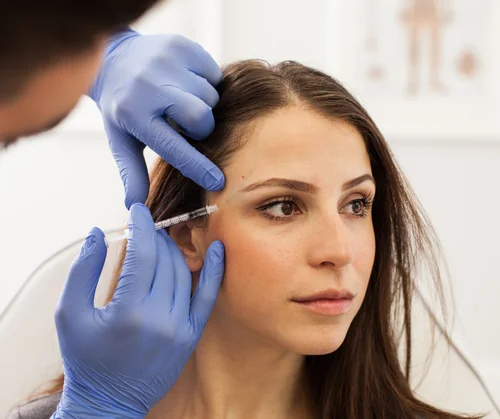
Most Popular Xeomin Uses
Xeomin (incobotulinumtoxinA) is FDA-approved for both cosmetic and therapeutic uses. For aesthetics, it treats moderate to severe upper facial lines including glabellar lines (frown lines between eyebrows), forehead lines, and crow's feet around the eyes. Medically, Xeomin treats cervical dystonia, blepharospasm, upper limb spasticity, and chronic sialorrhea.
Primary cosmetic uses:
- Frown lines (glabellar lines) between eyebrows
- Horizontal forehead lines
- Crow's feet (lateral canthal lines)
- Off-label: bunny lines, lip lines, brow lift, gummy smile
FDA-approved medical uses:
- Cervical dystonia (neck muscle spasms)
- Blepharospasm (eyelid twitching)
- Upper limb spasticity in adults
- Chronic sialorrhea (excessive drooling)
The "naked neurotoxin" works by temporarily blocking nerve signals to targeted muscles, relaxing them to smooth wrinkles or reduce involuntary muscle contractions. Effects typically last 3-4 months for cosmetic applications and vary for medical conditions.
Understanding Xeomin for Wrinkles
Xeomin's most popular application is cosmetic treatment of dynamic wrinkles caused by repeated facial expressions.
How Xeomin Works on Facial Lines
Dynamic wrinkles form from repetitive muscle movements like frowning, squinting, or raising eyebrows. Over years, these expressions create visible lines even at rest. According to the American Academy of Dermatology, botulinum toxin treatments like Xeomin work by relaxing targeted facial muscles, causing fine lines and wrinkles to diminish.
When injected into specific facial muscles, Xeomin blocks acetylcholine release at nerve endings. This neurotransmitter normally signals muscles to contract, so blocking it prevents forceful contractions that create wrinkles. The result is smoother skin with a more relaxed, refreshed appearance.
The "Naked Neurotoxin" Difference
Xeomin contains only purified botulinum toxin type A without complexing proteins or additives, earning its nickname as the "naked neurotoxin." This simpler formulation potentially reduces the risk of developing antibodies that could decrease treatment effectiveness over time.
For people who've used Botox for years and noticed diminishing results, switching to Xeomin may restore effectiveness. The pure formulation offers an alternative for those who've developed resistance to protein-containing neurotoxins.
Xeomin Cosmetic Uses: Treatment Areas
The FDA has approved Xeomin for comprehensive upper facial rejuvenation, making it the second neurotoxin (after Botox) approved for all three cosmetic areas.
Glabellar Lines (Frown Lines)
What they are: Vertical lines between the eyebrows, often called "11 lines" or "frown lines," these wrinkles form from repeatedly furrowing your brow when concentrating, squinting, or frowning.
Xeomin treatment:
- Typical dose: 20 units
- Injection points: 5 sites in the glabellar complex
- Results: Softened vertical lines, less severe furrow
- Duration: 3-4 months typically
This was Xeomin's first FDA-approved cosmetic indication and remains one of the most requested treatment areas. The frown lines between eyebrows can make you look angry, stressed, or older than you feel.
Forehead Lines (Horizontal Lines)
What they are: Horizontal lines across the forehead appear from raising eyebrows repeatedly. These lines become more pronounced with age as skin loses elasticity.
Xeomin treatment:
- Typical dose: 20 units
- Injection points: 4-8 sites across forehead
- Results: Smoothed horizontal lines while maintaining natural movement
- Duration: 3-4 months average
Strategic injection placement ensures you can still raise your eyebrows naturally while reducing the depth of horizontal lines. Experienced providers balance wrinkle reduction with preserved expression.
Crow's Feet (Lateral Canthal Lines)
What they are: Fine lines radiating from the outer corners of eyes, created by smiling, laughing, and squinting. These wrinkles often appear earlier than other facial lines.
Xeomin treatment:
- Typical dose: 24 units total (12 per side)
- Injection points: 3 sites per eye area
- Results: Softened lines when smiling, smoother skin at rest
- Duration: 3-4 months commonly
Treating crow's feet creates a more youthful, refreshed eye area. The injections target only the muscles causing wrinkles without affecting your smile's authenticity.
Off-Label Cosmetic Applications
While FDA approval covers the upper face, skilled providers use Xeomin for additional aesthetic concerns:
Bunny lines: Diagonal wrinkles across the nose bridge when scrunching. Small amounts of Xeomin (5-10 units) smooth these lines.
Lip lines (smoker's lines): Vertical lines above the upper lip benefit from careful, minimal Xeomin placement to prevent affecting lip movement.
Brow lift: Strategic injections can subtly lift the eyebrows by relaxing muscles that pull them downward.
Gummy smile: Injections near the upper lip can reduce gum visibility when smiling by limiting upper lip elevation.
Masseter reduction: Injecting the jaw muscles can slim the lower face and help with teeth grinding, though this is more commonly done with Botox or Dysport.
Xeomin Medical Uses: Therapeutic Applications
Beyond aesthetics, Xeomin treats several medical conditions characterized by muscle overactivity.
Cervical Dystonia
Condition overview: Cervical dystonia causes involuntary neck muscle contractions, resulting in abnormal head positions, chronic pain, and reduced quality of life. The neck may twist, tilt, or pull backward or forward uncontrollably.
Xeomin treatment approach:
- Injected directly into affected neck muscles
- Dosing individualized based on muscle involvement
- Relief typically lasts 3 months
- Reduces pain, improves head position, enhances function
Xeomin received FDA approval for cervical dystonia in 2010, offering relief for this painful movement disorder.
Blepharospasm
Condition overview: Blepharospasm involves involuntary eyelid spasms or twitching that can severely impact vision and daily activities. In severe cases, functional blindness occurs despite healthy eyes.
Xeomin treatment approach:
- Small doses injected around the eyes
- Relaxes overactive eyelid muscles
- Reduces spasm frequency and severity
- Effects last approximately 3 months
This condition significantly affects quality of life, and Xeomin provides effective symptom management for many patients.
Upper Limb Spasticity
Condition overview: Muscle stiffness and involuntary contractions in the arms can result from stroke, traumatic brain injury, multiple sclerosis, or cerebral palsy. Spasticity limits movement, causes pain, and interferes with daily tasks.
Xeomin treatment approach:
- Targeted injections into spastic arm muscles
- Doses adjusted based on affected muscles and severity
- Improves range of motion and function
- Reduces pain associated with muscle tightness
The FDA approved Xeomin for adult upper limb spasticity, expanding treatment options for this challenging condition.
Chronic Sialorrhea (Excessive Drooling)
Condition overview: Chronic sialorrhea involves uncontrolled saliva production or inability to manage saliva properly. This condition can result from neurological disorders, medications, or other underlying health issues.
Xeomin treatment approach:
- Injected into salivary glands
- Reduces excessive saliva production
- Improves quality of life and social comfort
- Effects typically last several months
This relatively newer indication demonstrates Xeomin's versatility in treating diverse medical conditions.
Xeomin vs Botox Uses: Key Differences
Understanding how Xeomin compares to Botox helps you make informed treatment decisions.
Approved Indications Comparison
Xeomin FDA approvals:
- Cosmetic: Glabellar lines (2011), forehead lines (2024), crow's feet (2024)
- Medical: Cervical dystonia (2010), blepharospasm (2010), upper limb spasticity (2019), chronic sialorrhea (2020)
Botox FDA approvals:
- Cosmetic: Glabellar lines (2002), crow's feet (2013), forehead lines (2017)
- Medical: Cervical dystonia, blepharospasm, upper limb spasticity, chronic sialorrhea, chronic migraine, overactive bladder, and more
While Botox has more approved indications overall, Xeomin and Botox work similarly for shared uses with comparable effectiveness.
Formulation Differences
Xeomin's "naked" formula:
- Pure botulinum toxin type A
- No complexing proteins
- Potentially lower antibody formation risk
- No refrigeration required before reconstitution
Botox formula:
- Botulinum toxin type A plus accessory proteins
- Includes protective complexing proteins
- Requires refrigeration
- Longer track record (FDA approved since 2002 for cosmetics)
Practical Treatment Differences
Dosing: Xeomin and Botox typically use a 1:1 unit conversion, meaning similar doses achieve comparable results. Your provider will determine appropriate units based on treatment area and muscle strength.
Onset and duration: Both products show results within days, with Xeomin typically working in 3-5 days and Botox in 4-7 days. Duration is similar at 3-4 months for cosmetic uses.
Cost: Xeomin pricing is often competitive with or slightly lower than Botox, though total treatment costs depend on units needed and provider pricing.
Who Is a Good Candidate for Xeomin?
Not everyone is suitable for Xeomin injections. Understanding candidacy helps set appropriate expectations.
Ideal Cosmetic Candidates
Good candidates typically:
- Have moderate to severe dynamic wrinkles (lines from muscle movement)
- Are 18 years or older
- Want to prevent wrinkles from worsening
- Prefer non-surgical facial rejuvenation
- Have realistic expectations about results
- Can commit to maintenance treatments every 3-4 months
Particularly good candidates:
- People who've developed resistance to other neurotoxins
- Those concerned about protein additives in other products
- First-time neurotoxin users seeking pure formulation
- Anyone wanting natural-looking wrinkle reduction
Medical Candidacy Considerations
For therapeutic uses, candidacy depends on specific diagnosis, symptom severity, overall health, and previous treatment responses. Your neurologist or specialist will evaluate whether Xeomin suits your medical condition.
Who Should Avoid Xeomin
Xeomin is contraindicated for:
- People allergic to botulinum toxin products or ingredients
- Those with infection at planned injection sites
- Individuals with certain neuromuscular disorders
- Pregnant or breastfeeding women
- Anyone with skin infection at treatment area
Use caution if you:
- Take blood thinners (increased bruising risk)
- Have had recent facial surgery
- Take certain medications (muscle relaxants, antibiotics)
- Have breathing or swallowing difficulties
Always disclose your complete medical history, medications, and supplements during consultation to ensure safe treatment.
What to Expect During Xeomin Treatment
Understanding the treatment process helps you feel prepared and confident.
The Consultation
Your provider will:
- Examine your facial anatomy or medical condition
- Discuss your goals and concerns
- Review medical history and medications
- Explain realistic outcomes
- Create customized treatment plan
- Answer all questions thoroughly
This consultation establishes whether Xeomin is appropriate and safe for your specific situation.
The Injection Procedure
Treatment typically involves:
Preparation (5 minutes):
- Cleansing treatment area
- Marking injection points
- Optional topical numbing (rarely needed)
Injections (10-15 minutes):
- Multiple small injections with fine needle
- Minimal discomfort (brief pinching sensation)
- Precise placement in target muscles
- No anesthesia typically required
Post-treatment (immediate):
- Brief assessment of injection sites
- Aftercare instructions provided
- Return to normal activities
- Avoid lying down for 4 hours
The entire appointment usually takes 20-30 minutes including consultation and treatment.
Aftercare Guidelines
First 4 hours:
- Stay upright (no lying down)
- Avoid touching or rubbing treated areas
- Skip strenuous exercise
- Don't apply makeup if possible
First 24 hours:
- Continue avoiding intense exercise
- Skip saunas, hot tubs, steam rooms
- Limit alcohol consumption
- Avoid facial massage or treatments
Following days:
- Protect skin with sunscreen daily
- Maintain normal skincare routine
- Stay well-hydrated
- Watch for results to develop
How Long Do Xeomin Results Last?
Duration varies between cosmetic and medical applications.
Cosmetic Longevity
Typical timeline:
- Initial results: 3-5 days
- Full effects: 10-14 days
- Peak results: 2 weeks to 3 months
- Gradual fading: Month 3-4
- Maintenance needed: Every 3-4 months
Most people schedule their next appointment around month 3 or when they notice lines beginning to return. Regular treatments may extend duration slightly as muscles become trained to stay relaxed.
Medical Use Duration
For therapeutic applications, duration depends on the specific condition:
Cervical dystonia: 3 months average, varies by individual. Blepharospasm: Approximately 3 months typically. Upper limb spasticity: 3-4 months commonly. Chronic sialorrhea: Several months, individualized.
Your specialist will recommend appropriate retreatment intervals based on symptom return and treatment response.
Factors Affecting Duration
Individual variations:
- Metabolism rate (faster metabolism = shorter duration)
- Muscle strength (stronger muscles metabolize faster)
- Treatment area (some areas last longer than others)
- Dosing accuracy (proper units optimize duration)
- Lifestyle factors (sun exposure, smoking, stress)
With regular treatments:
- Muscles may stay relaxed longer over time
- Some people extend to 4-5 months between sessions
- Wrinkles may appear less severe when treatment wears off
- Preventive effect accumulates with consistent maintenance
Is Xeomin Safe for Cosmetic Use?
Safety is a top priority when considering any injectable treatment.
FDA Approval and Safety Record
The FDA approved Xeomin in 2010 for therapeutic uses and expanded approvals to include comprehensive upper facial lines in 2024. This regulatory approval required rigorous clinical trials demonstrating both safety and effectiveness.
When administered by qualified healthcare providers following proper protocols, Xeomin has an excellent safety profile for cosmetic applications. Millions of treatments have been performed worldwide with high patient satisfaction and minimal serious complications.
Common Side Effects
Mild, temporary reactions:
- Bruising at injection sites (7-10 days)
- Minor swelling or redness (few hours)
- Slight tenderness (1-2 days)
- Temporary headache (24-48 hours)
- Small bumps at injection points (resolve quickly)
These effects are typically mild and resolve on their own without intervention.
Rare But Serious Risks
Seek immediate medical attention for:
- Difficulty breathing or swallowing
- Severe eyelid drooping affecting vision
- Muscle weakness spreading beyond treatment area
- Signs of allergic reaction (hives, facial swelling, breathing difficulty)
- Vision changes or severe eye problems
While extremely rare with cosmetic doses administered by qualified providers, awareness of potential serious effects is important.
Ensuring Safe Treatment
Choose qualified providers:
- Board-certified dermatologists or plastic surgeons
- Extensive neurotoxin injection experience
- Proper training in facial anatomy
- Clean, professional medical setting
- Willingness to answer questions thoroughly
Be an informed patient:
- Disclose complete medical history
- Report all medications and supplements
- Follow pre- and post-treatment instructions
- Attend scheduled follow-up appointments
- Communicate concerns immediately
Choosing the Right Provider for Xeomin
Provider expertise significantly impacts your safety, results, and satisfaction.
Essential Qualifications
Look for providers who are:
- Board-certified in dermatology, plastic surgery, or related specialties
- Experienced specifically with neurotoxin injections
- Knowledgeable about facial anatomy and muscle function
- Committed to continuing education in aesthetic medicine
- Licensed and practicing in proper medical facilities
Questions to Ask During Consultation
About their experience:
- How many Xeomin treatments do you perform monthly?
- What's your training in facial aesthetics?
- Can I see before-and-after photos of your work?
- What approach do you take for natural-looking results?
About the treatment:
- How many units do you recommend for my concerns?
- What results can I realistically expect?
- What are the risks specific to my situation?
- What happens if I'm not satisfied with results?
About the practice:
- Do you offer follow-up appointments?
- What's your policy on touch-ups?
- How do you handle complications if they arise?
- What's included in the treatment cost?
Red Flags to Avoid
Be cautious of:
- Non-medical settings (spas, salons without medical supervision)
- Unusually low prices (may indicate counterfeit product)
- Providers unwilling to discuss qualifications
- Pressure to undergo treatment immediately
- Promises of permanent results or guaranteed outcomes
- Lack of thorough consultation or medical history review