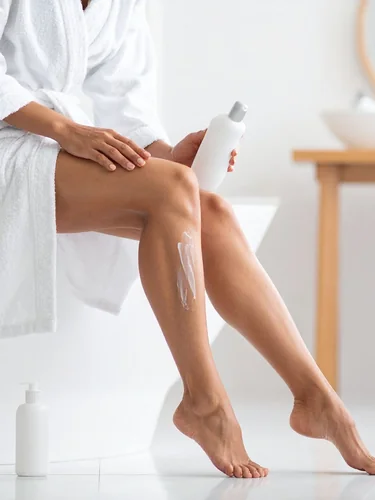
Quick Answer: laser hair removal aftercare in real life
Laser hair removal aftercare is mostly about keeping your skin cool, clean, and unbothered while it settles. Right after treatment, it's common to have some redness, warmth, or mild swelling around follicles, so gentle care matters more than fancy products.
For the first 24 to 48 hours, most people do best avoiding heat and friction, which means skipping hot showers, saunas, hot tubs, and intense workouts if the area feels sensitive. Sun exposure is another big one, because recently treated skin can be more reactive, and protecting it helps prevent irritation and pigment changes.
Over the next week, you'll focus on simple things like moisturizing if you're dry, avoiding harsh skincare actives, and letting hair shedding happen without picking. If you're in the middle of a series, staying consistent with aftercare helps you keep your appointment schedule, which is a big part of getting good results over time. If you're ever unsure whether a reaction is normal, your safest move is checking in with your provider rather than guessing.
This guide is general education and shouldn't replace medical advice. If you have a skin condition, take medications that affect sensitivity, or you're worried about a reaction, a qualified clinician can tell you what's safest for your skin.
What to do after laser hair removal right away (first 1 to 4 hours)
The first few hours are about calming the heat response and protecting your skin barrier. Even if your skin looks fine, laser is still a controlled heat-based treatment, so it's smart to act like your skin is a little more delicate than usual. You don't need to baby it forever, but a calm first day can prevent the most common annoyances like lingering redness or itchy bumps.
Start with a simple routine:
- Keep the area clean and dry, especially if you treated underarms, bikini, or inner thighs.
- Use a cool compress if the area feels warm, tender, or slightly swollen.
- Wear loose clothing that doesn't rub, especially on treated areas that sit under waistbands or collars.
- If your provider recommended a soothing product, use only what they advised and keep everything else minimal.
One small mindset shift helps: aftercare isn't about "fixing" anything. It's about giving your skin a quiet window to settle so you feel comfortable and stay on schedule.
Laser hair removal post care timeline: day-by-day expectations
Aftercare feels much easier when you know what phase you're in. This timeline also helps you answer "Is this normal?" without spiraling into worst-case scenarios. Everyone's skin is different, but these patterns are common enough that you can use them as a practical baseline.
Laser hair removal aftercare: the first 24 hours
This is the heat-and-friction phase. Your skin may feel warm, look pink, or have little bumps around follicles that resemble mild goosebumps. That can be more noticeable on sensitive areas like face, neck, bikini, and underarms, and it can be less noticeable on legs and arms.
What to do:
- Keep showers lukewarm and brief if you need one.
- Pat the area dry instead of rubbing.
- Use a bland, fragrance-free moisturizer if you feel dry or tight.
- Keep exercise light if your skin feels reactive.
What to avoid:
- Hot showers, hot baths, saunas, hot tubs
- Intense workouts that create heavy sweat and friction
- Scrubs, exfoliating gloves, loofahs, cleansing brushes
- Strong skincare actives on the treated area
For a solid overview of typical reactions and general safety basics, the American Academy of Dermatology's laser hair removal FAQs are a helpful reference.
Laser hair removal aftercare: 24 to 48 hours
This is the "mostly back to normal" window, but your skin can still be easily annoyed. You might see mild follicle bumps, some sensitivity to touch, or temporary dryness. If you treated underarms or bikini, friction from tight clothing can still cause irritation.
What to do:
- Keep products gentle and fragrance-free if your skin feels sensitive.
- Return to normal activities gradually, based on how your skin feels.
- Keep sun protection consistent on any exposed treated areas.
What to be cautious about:
- Going straight back to very hot showers or saunas if you still feel warm or tender.
- Applying heavily fragranced lotion, deodorant, or body sprays directly on freshly treated skin.
- Restarting strong actives too quickly on facial areas.
A good rule is simple: if something stings, your skin isn't ready for it yet.
Laser hair removal aftercare: days 3 to 7
This is often the "shedding begins" stage. People sometimes panic here because it can look like hair is growing back, but often it's hair working its way out of the follicle. You might also notice little dark dots that look like stubble, even if you shaved right before your appointment.
What to do:
- Keep the area moisturized if it feels dry.
- Avoid picking, squeezing, or tweezing hairs that look stuck.
- Keep sun exposure low and use sun protection on exposed areas.
- Stay consistent with gentle cleansing, especially for underarms and bikini.
What to avoid:
- Aggressive exfoliation unless your provider told you exactly when it's safe.
- Waxing, plucking, or threading between sessions.
- Scrubbing off "dots" that are actually shedding hairs.
If you want to understand the bigger treatment plan context, it helps to read a general overview of laser hair removal so aftercare fits into the full series, not just one appointment.
Laser hair removal aftercare: week 2 and beyond (between sessions)
Between sessions, your goal is consistency. The biggest things that delay people are sun exposure, irritation from over-exfoliating, and switching to hair removal methods that pull hair from the root. A steady routine is often what keeps your schedule smooth and your results moving in the right direction.
Between-session basics:
- Shave if you need to, but avoid waxing and plucking.
- Keep the treated area out of the sun or protected if it's exposed.
- Follow your provider's guidance for pausing active skincare before your next session.
- Don't chase "faster results" by overdoing products or extra treatments.
What should you not do after laser hair removal?
If you only want one section to bookmark, make it this one. Most aftercare issues come from a handful of common mistakes that sound harmless at the time. The good news is they're easy to avoid once you know what they are.
Don't add heat right away
Heat is one of the biggest triggers for prolonged redness and tenderness. Hot showers, hot baths, saunas, steam rooms, and hot tubs can keep your skin irritated longer than necessary. If you love a hot shower, you probably won't have to avoid it forever, but giving it a day can make a noticeable difference for sensitive skin.
Don't add friction and sweat if you're irritated
A hard workout right after laser isn't automatically "bad," but it can be uncomfortable if you're already warm or bumpy. Sweat plus friction can irritate follicles, especially in areas like bikini, underarms, and inner thighs. If you're itching to move your body, a gentle walk is often a smarter first-day choice.
Don't exfoliate too soon
Right after laser, your skin barrier may be more sensitive. Scrubs, exfoliating gloves, strong acids, and retinoids can sting and lead to unnecessary irritation. Even if you normally tolerate actives, this is one of those times where your skin might want a pause.
Don't wax, pluck, or tweeze between sessions
Laser targets the follicle through the hair structure. If you pull hair from the root, you remove the target that laser needs to work effectively. Shaving is usually fine between sessions because it doesn't remove the follicle.
Don't pick at bumps, scabs, or shedding hairs
Picking feels satisfying for two seconds and then you're left with irritated skin for days. Little follicle bumps and "peppery dots" can happen during shedding, and your best move is to let your skin do its thing. If the area feels itchy or tight, gentle moisturizer and cool compresses are usually more helpful than touching it.
The do's and don'ts of laser hair removal aftercare (quick, useful checklist)
Laser hair removal aftercare do's
- Do keep the area clean with a gentle cleanser and lukewarm water.
- Do use a cool compress if you feel warm or irritated.
- Do moisturize with a fragrance-free lotion if skin feels dry or tight.
- Do wear loose clothing that won't rub sensitive areas.
- Do protect exposed treated skin from sun exposure.
- Do follow your provider's instructions about shaving and product pauses.
- Do ask your provider if you're unsure, especially if symptoms feel intense.
Laser hair removal aftercare don'ts
- Don't take hot showers or use saunas right away if skin is sensitive.
- Don't do intense workouts immediately if you're already irritated.
- Don't exfoliate or use strong actives right after treatment.
- Don't wax, pluck, or tweeze between sessions.
- Don't pick at bumps or shedding hairs.
- Don't apply heavily fragranced products on freshly treated skin.
This isn't about being perfect. It's about keeping your skin comfortable enough that laser feels like an easy routine, not a stressful event.
Why can't you shower after laser hair removal?
You may have heard you can't shower after a laser appointment, but this isn't entirely true. The confusion comes from the details: most providers recommend avoiding hot water and harsh rubbing right after treatment. Heat can prolong redness, and scrubbing can irritate follicles that are already a bit inflamed from treatment.
A good middle ground for most people is:
- Take a lukewarm shower.
- Use a gentle cleanser.
- Avoid scrubbing the treated area.
- Pat dry, then apply a simple moisturizer if needed.
If your provider told you to wait a specific number of hours, follow their instructions first. They know what settings were used and how your skin looked immediately after.
What to do after laser hair removal if you get bumps, redness, or itchiness
Most people panic at the sight of irritation because bumps can look dramatic even when they're mild. Small follicle bumps, mild swelling, and redness are common short-term reactions for many people, especially in sensitive areas. The key is to reduce triggers and keep the area calm.
What usually helps:
- Cool compresses for a few minutes at a time.
- Gentle moisturizer if the area feels tight or dry.
- Avoiding heat and friction for another day.
- Wearing loose clothing, especially for bikini and underarms.
What usually makes it worse:
- Scrubbing to "smooth it out."
- Using strong acids, retinoids, or fragranced products.
- Shaving too aggressively when the skin is already irritated.
- Picking at bumps or hairs that look stuck.
If you're ever unsure whether what you're seeing is normal, a quick check-in with your provider can save you a lot of stress. You're not being annoying, you're being careful with your skin.
Laser hair removal aftercare by body area (because aftercare isn't one-size-fits-all)
Different areas react differently because skin thickness, friction, sweat, and sensitivity vary. The more specific your aftercare is, the easier it is to stay comfortable.
Face and neck laser hair removal aftercare
Face and neck are more likely to feel warm and sensitive, and people often use stronger skincare on those areas. If you're treating facial hair or the neck, keep skincare simple for a short window and avoid shaving aggressively if you're tender. Sun protection matters here too, because these areas are more exposed day-to-day.
If you're worried about what sessions feel like on sensitive areas, it's worth reading laser hair removal pain so you can plan comfort measures ahead of time.
Underarms aftercare
Underarms are a friction-heavy area, plus deodorant can sting for some people right after treatment. If you're sensitive, consider skipping deodorant for a short time, or choose a gentle option once skin feels calm. Avoid tight workout shirts right after a session because rubbing plus sweat can keep irritation going.
Bikini and Brazilian aftercare
This area gets irritated more easily because of friction, sweat, and tight clothing. Loose underwear and breathable fabrics can make a big difference for the first day or two. If you're feeling tender, consider skipping intense workouts and long hot showers. Also, avoid exfoliating too soon, even if you're prone to ingrowns, because timing matters.
Legs, arms, back, chest aftercare
These areas are often easier, but sun is the big issue for legs and arms. If you're treating areas that will be exposed, keep sun protection consistent and avoid tanning. For back and chest, friction from tight shirts and heavy sweating can be the main irritants, especially right after treatment.
How to maximize laser hair removal results with aftercare
This is the part people care about most, and it's usually not about adding products. Maximizing results is mostly about staying consistent and avoiding the things that force you to pause treatments.
Protect treated skin from sun exposure
Sun exposure can increase the chance of irritation and pigment changes, and it may affect how aggressively a provider can treat you safely. You don't have to live indoors, but you do want to treat sun protection like part of your laser plan. The Cleveland Clinic's overview of laser hair removal is a useful baseline for expectations and general care.
Stick to your schedule as closely as you can
Laser is a series, and spacing matters. If you delay sessions frequently, your timeline can stretch. That doesn't mean you "ruined" anything, but it can slow the momentum that people love about laser.
Don't switch hair removal methods in a way that conflicts with treatment
Waxing and tweezing remove the follicle target. Shaving usually doesn't. If you're tempted to wax because hair is bothering you between sessions, it can help to remember that hair growth can look uneven during the series, and that's part of the process.
Keep your skin calm between sessions
A calm skin barrier tends to tolerate treatments better and makes it easier to keep your appointments. Over-exfoliating, using harsh products, or treating irritation aggressively can create a cycle where you're always "recovering" and never fully comfortable.
Budget realistically so you don't quit mid-series
A lot of people stop halfway through because they budgeted for "one session" pricing instead of a full plan. If you want to plan your total investment and avoid surprises, you can learn more about laser hair removal costs. A calm budget makes the whole process feel easier.
If you're thinking long-term and trying to decide between methods, comparing electrolysis vs laser hair removal can also help you set expectations based on your hair color and goals.
A simple to-do after laser hair removal routine you can follow every session
If you want something repeatable, here's a routine you can use after most sessions. It keeps decisions easy, which is often what makes the experience feel comfortable.
- Cool down: cool compress if you feel warm or tender.
- Clean gently: lukewarm water, gentle cleanser, no scrubbing.
- Moisturize lightly: fragrance-free, simple products only if needed.
- Avoid heat and friction: especially for the first 24 hours if sensitive.
- Protect from sun: on any exposed treated areas.
- Let shedding happen: no picking, no tweezing, no "fixing."
When you treat aftercare as a routine instead of a rulebook, it becomes way less stressful.