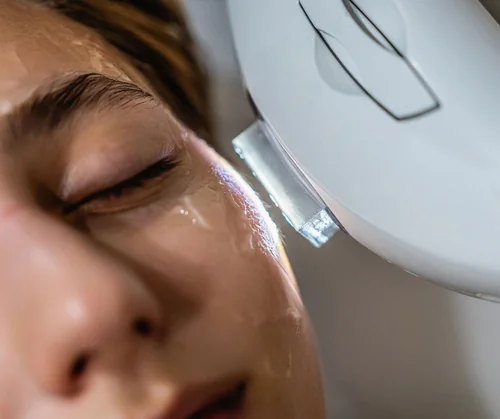
Understanding How IPL Photofacial Treatment Actually Works
IPL photofacial, also known as intense pulsed light therapy or photorejuvenation, is a non-invasive skin treatment that uses broad-spectrum light to target pigmentation, redness, and sun damage beneath your skin's surface. Unlike traditional lasers that emit a single wavelength of light, IPL devices deliver multiple wavelengths simultaneously, allowing the technology to address several skin concerns in one session. The light energy penetrates your skin and converts to heat when absorbed by melanin (pigment) or hemoglobin (red blood cells), destroying unwanted discoloration while leaving surrounding tissue unharmed.
The treatment works by creating controlled damage to targeted areas, triggering your body's natural healing response to replace damaged cells with fresh, healthy skin. As the light energy breaks apart concentrated melanin deposits and constricts dilated blood vessels, your skin begins shedding darkened cells over the following weeks while simultaneously ramping up collagen production. This dual action improves both surface-level concerns like sunspots and age spots, as well as deeper structural issues including fine lines and uneven texture.
IPL photofacials are performed in medical offices, dermatology practices, and medical spas by trained professionals who customize the light wavelengths and intensity based on your specific skin type and concerns. The procedure typically takes 20-45 minutes depending on the treatment area, with most people requiring a series of 3-5 sessions spaced 4-6 weeks apart for optimal results. While individual outcomes vary, IPL photofacial treatments can significantly improve skin clarity and tone when performed correctly, though results depend heavily on proper patient selection and skilled technique.
Keep in mind that IPL photofacials work best on fair to medium skin tones and may not be suitable for darker complexions due to increased risk of pigmentation complications. The treatment addresses cosmetic concerns rather than medical conditions, so results should be viewed as improvements in appearance rather than guaranteed transformations. Understanding the technology, process, and realistic expectations helps you determine whether IPL photofacial aligns with your skin goals and concerns.
How IPL Photofacial Differs from Laser Treatments
The fundamental distinction between IPL and laser treatments lies in how they deliver light energy to your skin. Traditional lasers emit a single, focused wavelength of light that targets one specific chromophore (light-absorbing molecule) with precision, making them ideal for addressing isolated concerns like individual blood vessels or tattoo removal. IPL devices emit a broad spectrum of light wavelengths ranging from about 500 to 1200 nanometers, with filters applied to customize which wavelengths reach your skin for different treatment goals.
This multi-wavelength approach makes IPL more versatile but less precise than lasers, allowing treatment of multiple skin concerns simultaneously but with less intensity per individual issue. A single IPL photofacial session can target both brown pigmentation and red vascular lesions by adjusting filters between passes, something that would require two different laser types. However, lasers typically deliver more dramatic results per session for specific problems since the concentrated energy creates stronger effects on targeted tissue.
Key differences between IPL and laser technology:
- Energy delivery and depth of penetration. Lasers deliver focused, coherent light beams that penetrate to predictable, controlled depths, while IPL emits scattered light that affects a broader area less deeply. This makes lasers more effective for precise targeting but gives IPL the advantage for treating diffuse concerns across larger areas like full facial sun damage.
- Treatment intensity and recovery requirements. IPL photofacials generally cause less immediate visible trauma than ablative lasers, with most people experiencing only redness similar to mild sunburn that resolves within hours to days. Laser resurfacing often creates more dramatic peeling, crusting, or prolonged redness depending on treatment depth and type.
- Suitability for different skin tones. Many laser treatments can safely treat a wider range of skin tones when calibrated properly, while IPL photofacials work best on Fitzpatrick skin types I-III (fair to medium complexions). The broad spectrum of IPL light makes it more challenging to avoid hyperpigmentation in darker skin compared to precisely targeted laser wavelengths.
- Cost and number of sessions required. IPL photofacials typically cost less per session than laser treatments but require more total sessions to achieve comparable results. You might pay $300-$600 per IPL session and need 4-5 treatments, while a single aggressive laser treatment costing $1,500-$3,000 might deliver similar overall improvement with more downtime.
Neither technology is universally "better" since the optimal choice depends on your specific concerns, skin type, and tolerance for downtime. IPL photofacials excel at addressing widespread, diffuse issues like overall sun damage and redness, while lasers work better for isolated problems or when dramatic improvement justifies longer recovery.
What Happens During an IPL Photofacial Procedure
Your IPL photofacial session begins with thorough cleansing to remove all makeup, oils, and skincare products that could interfere with light penetration or increase reaction risk. Your provider applies a cool gel to your skin that serves multiple purposes: conducting the light energy more effectively, protecting your epidermis from excessive heat, and keeping the treatment handpiece gliding smoothly across your face. You'll wear protective eyewear throughout the procedure since the intense light can damage your eyes even through closed lids.
The actual treatment involves your provider moving the IPL handpiece across your treatment area in a systematic pattern, delivering pulses of light with each trigger. Most people describe the sensation as quick snaps similar to a rubber band flicking against skin, accompanied by a warm or hot feeling that fades between pulses. The intensity varies across different facial areas, with bonier regions like your cheekbones or jawline typically feeling more uncomfortable than fleshier zones. Your provider may adjust energy levels if certain areas prove too sensitive or if your skin shows excessive response.
The step-by-step process during your IPL session:
- Pre-treatment skin assessment and marking. Your provider examines your skin to identify target areas and may mark particularly dark spots or vascular lesions for focused attention. They'll also check for any contraindications like active cold sores, recent sun exposure, or new skin lesions that weren't present during consultation.
- Application of cooling gel and protective eyewear. The thick gel layer helps the light penetrate evenly while providing some cooling relief. The dark protective glasses block the bright flashes that occur with each pulse, preventing eye strain or potential retinal damage.
- Systematic delivery of light pulses across treatment zones. Your provider uses the handpiece to deliver overlapping pulses in a grid pattern, ensuring even coverage. They may make multiple passes using different filter settings to address both pigmentation and vascular concerns. The number of pulses varies based on treatment area size but typically ranges from 100-500 for a full face.
- Post-treatment cooling and product application. After completing all passes, your provider removes the gel and may apply cooling packs, aloe, or soothing serums to calm any immediate heat or redness. They'll review aftercare instructions and schedule your next session if you're completing a treatment series.
The entire appointment typically lasts 30-60 minutes including prep and post-care, with the actual light delivery comprising about 15-30 minutes of that time. You can resume normal activities immediately after treatment, though your skin will look flushed and potentially feel tender for several hours. Understanding what to expect from IPL photofacial treatment helps reduce anxiety about the procedure and prepares you for normal post-treatment responses.
Which Skin Concerns Does IPL Photofacial Address
IPL photofacial treatments excel at correcting sun damage and photoaging that manifest as brown spots, age spots, freckles, and uneven skin tone across your face, neck, chest, and hands. The light energy specifically targets melanin concentrations, breaking apart the pigment deposits that create these dark patches. Over the 1-2 weeks following treatment, the darkened areas typically become more pronounced before flaking off to reveal clearer skin underneath. Multiple sessions progressively lighten remaining pigmentation as your skin continues shedding damaged cells.
Vascular concerns including broken capillaries, spider veins, diffuse redness, and rosacea-related flushing respond well to IPL photofacial therapy. The light energy absorbed by hemoglobin in dilated blood vessels generates heat that causes the vessel walls to collapse and be reabsorbed by your body. This reduces the visible redness and creates a more even skin tone, though severely dilated vessels may require multiple treatments or complementary therapies for complete resolution. People with rosacea often see significant improvement in overall facial redness and flushing frequency after completing an IPL series.
Additional skin concerns that may improve with IPL:
- Fine lines and textural irregularities. While IPL doesn't dramatically reduce wrinkles like laser resurfacing or injectables, the collagen stimulation from light energy can create modest improvements in skin texture and subtle softening of fine lines. This effect develops gradually over months as new collagen matures and provides additional structural support.
- Enlarged pores and rough skin texture. The skin renewal process triggered by IPL helps refine pore appearance and smooth rough patches, particularly when combined with proper exfoliation and skincare. The results are subtle rather than dramatic but can contribute to an overall more polished complexion.
- Acne and mild acne scarring. IPL has antibacterial properties that can help reduce active acne, while the collagen stimulation may improve the appearance of shallow acne scars over time. However, deeper ice pick or boxcar scars typically require more aggressive treatments for significant improvement.
- Overall skin tone and clarity. Perhaps the most valued outcome is the general improvement in skin clarity and uniformity that makes your complexion look fresher and more youthful. This cumulative effect from addressing multiple small imperfections often proves more impactful than dramatic change to any single concern.
IPL photofacials cannot address deeper structural aging including significant skin laxity, deep wrinkles, or loss of facial volume that require surgical intervention or injectable treatments. The technology works on surface and mid-dermal layers rather than deeper tissue structures, limiting its effectiveness for advanced aging concerns.
Who Makes a Good Candidate for IPL Photofacial
Ideal IPL photofacial candidates have fair to medium skin tones (Fitzpatrick types I-III) with visible sun damage, pigmentation irregularities, or vascular concerns they'd like to improve without surgery or significant downtime. The technology works best when there's clear contrast between the pigmentation or redness you want to treat and your surrounding skin tone, allowing the light to selectively target problem areas. People in their 30s through 60s seeking preventive maintenance or correction of early to moderate aging signs typically see the most satisfaction with IPL results.
You should be in generally good health with realistic expectations about what IPL photofacials can and cannot achieve. The treatment provides subtle to moderate improvements in skin quality rather than dramatic transformations, making it suitable for people wanting to look like refreshed versions of themselves rather than completely different. Patience is essential since results develop gradually over weeks to months rather than appearing immediately post-treatment.
Factors that may disqualify you from IPL photofacial treatment:
- Darker skin tones (Fitzpatrick IV-VI). The melanin-rich complexion of darker skin tones increases the risk of the IPL energy being absorbed by normal skin pigment rather than just unwanted dark spots, potentially causing hyperpigmentation, burns, or permanent discoloration. While some skilled providers successfully treat darker skin with careful calibration, many consider IPL too risky for Fitzpatrick types IV and above.
- Recent sun exposure or active tans. You must avoid sun exposure and tanning for at least 4-6 weeks before IPL treatment since tanned skin contains elevated melanin levels that compete with target pigmentation for light absorption. Treating recently tanned skin dramatically increases burn and hyperpigmentation risks.
- Active skin infections or inflammatory conditions. Conditions including active acne, eczema flares, psoriasis, cold sores, or any open wounds in the treatment area should heal completely before IPL therapy. Treating compromised skin increases infection risk and can worsen underlying conditions.
- Pregnancy and certain medications. Pregnant or breastfeeding women should postpone IPL treatments. Medications including isotretinoin (Accutane), certain antibiotics, and other photosensitizing drugs create increased light sensitivity requiring treatment delay until you've discontinued the medication for an appropriate period.
- History of keloid scarring or poor wound healing. People prone to excessive scarring face higher risks of complications from any treatment creating controlled skin injury, including IPL photofacials. Conditions affecting healing like uncontrolled diabetes or immune suppression also warrant caution.
Consulting with a qualified provider helps determine your candidacy through skin assessment, medical history review, and discussion of your concerns and goals. Many practices perform test spots on inconspicuous areas to verify your skin responds appropriately before treating visible facial zones.
How Many IPL Photofacial Sessions You'll Actually Need
Most people require 3-5 IPL photofacial sessions spaced 4-6 weeks apart to achieve their desired results, with the exact number depending on your starting skin condition and treatment goals. Mild sun damage or isolated concerns may improve satisfactorily after 3 treatments, while extensive photoaging, severe redness, or multiple combined issues often need 5 or more sessions. Each treatment builds on previous sessions' results, progressively lightening pigmentation and reducing vascular concerns as your skin cycles through healing and renewal.
The spacing between sessions allows your skin adequate time to respond to treatment, shed damaged cells, and produce new collagen before the next round of light exposure. Scheduling sessions too close together can overwhelm your skin and increase complication risks, while waiting too long between treatments may reduce the cumulative benefits. Most dermatologists recommend the 4-6 week interval as optimal for balancing treatment efficacy with skin safety.
After completing your initial series, maintenance treatments every 6-12 months help preserve results and address new damage from ongoing sun exposure and natural aging. Some people maintain their improvements with annual sessions, while others prefer more frequent touch-ups to keep their skin looking its best. The need for maintenance varies based on your sun exposure habits, skin care routine, and how aggressively you were treated during your initial series.
You'll typically notice some improvement after your first session, with results becoming progressively more obvious as you complete additional treatments. Dark spots often show the fastest response, visibly fading or flaking off within 1-2 weeks of each session. Vascular concerns and textural improvements develop more gradually, with the full benefits from collagen stimulation continuing to emerge for 2-3 months after your final treatment. Understanding the benefits IPL photofacial provides helps you maintain realistic timelines for seeing your desired outcomes.
What Results You Can Realistically Expect from IPL Photofacial
IPL photofacial results typically include a more even skin tone with significantly reduced appearance of sun spots, age spots, and freckles across treated areas. The pigmented lesions may initially darken before crusting and flaking off over 7-14 days, revealing clearer skin underneath. Most people see 50-75% reduction in unwanted pigmentation after completing a full treatment series, though individual results vary based on the depth and severity of your starting concerns.
Redness and vascular concerns including broken capillaries and diffuse flushing often improve by 50-70% after a complete IPL series, creating a calmer, more neutral skin tone. The reduction in overall redness can be particularly dramatic for people with rosacea or chronic facial flushing, significantly improving their baseline complexion. However, new blood vessels may develop over time from continued sun exposure or other triggers, necessitating maintenance treatments.
Timeline for seeing IPL photofacial improvements:
- Days 1-3: Immediate redness and darkening. Your skin will look flushed immediately after treatment, similar to mild sunburn. Treated pigmented spots often become noticeably darker during the first few days as the damaged melanin rises toward your skin's surface.
- Days 4-14: Crusting and flaking of targeted areas. The darkened spots develop a dry, crusty texture before gradually flaking off. This shedding reveals fresher skin underneath while some redness may persist. Your overall tone begins looking clearer and more even.
- Weeks 2-6: Progressive clearing and collagen development. The dramatic flaking subsides and your skin continues improving in clarity and tone. Collagen production ramps up during this period, though structural improvements won't be visible yet. Redness from vascular concerns fades as damaged blood vessels are reabsorbed.
- Months 2-6: Full results emerge from series completion. After finishing your treatment series, continued collagen remodeling creates subtle improvements in skin texture and firmness. The cumulative effect of all sessions becomes fully apparent, with your skin looking refreshed and more youthful.
Results from IPL photofacial treatments can last 1-3 years depending on your age, continued sun exposure, and skin care practices. Diligent sun protection significantly extends your results since new UV damage quickly reintroduces the pigmentation and vascular issues you worked to eliminate. Some changes like reduced capillaries may be permanent, while other improvements gradually fade as your skin continues aging and accumulating new damage.
Understanding IPL Photofacial Safety and Potential Risks
IPL photofacials are generally considered safe when performed by properly trained professionals using appropriate settings for your skin type. The American Society for Laser Medicine and Surgery recognizes IPL as an effective treatment for various skin concerns when used correctly. However, all light-based therapies carry potential risks including burns, blistering, hyperpigmentation, and scarring if performed incorrectly or on unsuitable candidates.
The most common side effects include temporary redness, swelling, and a sensation similar to mild sunburn lasting a few hours to several days after treatment. Some people develop temporary crusting, scabbing, or purpura (bruising) in treated areas, particularly when targeting vascular lesions. These effects are generally mild and resolve without intervention, though they can be alarming if you're not prepared for them.
More serious complications, while rare, can include burns from excessive energy levels, permanent hyperpigmentation or hypopigmentation from inappropriate skin type treatment, and scarring from infection or improper healing. Treating tanned skin, darker skin tones, or recently sun-exposed skin dramatically increases these risks. Eye injury from inadequate protection represents another serious potential hazard, emphasizing the importance of proper safety equipment during treatment.
Choosing a qualified provider with extensive IPL experience significantly reduces your risk of complications. Look for board-certified dermatologists, plastic surgeons, or medical aestheticians working under physician supervision rather than unlicensed technicians or bargain providers offering suspiciously low prices. The technology is only as safe as the person operating it, making provider credentials your most important safety consideration. Proper IPL photofacial aftercare is also essential for minimizing complications and optimizing results.
How IPL Photofacial Compares to Other Skin Treatments
IPL photofacials sit in a middle ground between gentler maintenance treatments like facials and more aggressive interventions like laser resurfacing or chemical peels. They deliver more significant improvements than topical skincare or basic facials while avoiding the extended downtime and higher risks of ablative procedures. This positioning makes IPL popular for people wanting noticeable results without committing to serious recovery periods.
Chemical peels can achieve similar improvements in skin tone and texture, with the advantage of working on darker skin tones that may not tolerate IPL safely. However, peels require more visible peeling and recovery, with medium to deep peels involving 7-14 days of obvious skin shedding compared to IPL's more subtle crusting of isolated spots. IPL better targets specific vascular concerns that peels cannot address, while peels may provide more dramatic textural improvements.
Laser resurfacing delivers more dramatic results for deep wrinkles, significant scarring, and severe sun damage compared to IPL photofacials, but requires substantially more downtime and carries higher complication risks. Ablative lasers remove layers of skin and demand 1-2 weeks of intensive healing, while non-ablative lasers like Fraxel offer results between IPL and ablative options with moderate recovery. The choice depends on balancing your desired outcome intensity against your downtime tolerance.
Microneedling targets collagen production and texture more effectively than IPL but doesn't address pigmentation or vascular concerns as directly. Many people combine IPL with microneedling, alternating treatments to address different concerns, or undergo both during the same session when protocols allow. This combination approach often delivers more comprehensive rejuvenation than either treatment alone. Exploring various options including comparing IPL photofacial costs to alternative treatments helps you make informed decisions.