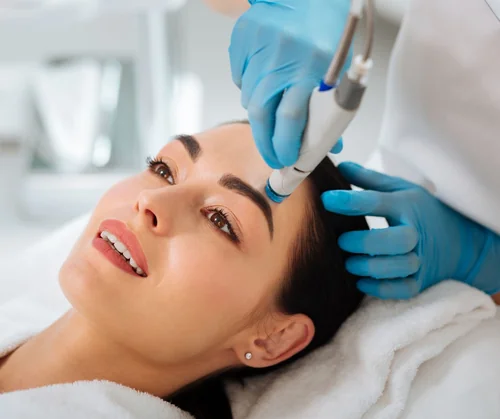
The HydraFacial Difference: Three Steps, One Session
A HydraFacial is a medical-grade facial treatment that combines cleansing, exfoliation, extraction, and hydration into one session using patented technology. Unlike traditional facials that rely on manual techniques, this treatment uses a specialized handheld device with interchangeable tips to deliver consistent results across different skin types. The Vortex-Fusion technology works by creating a swirling motion that simultaneously removes impurities while infusing skin with nourishing serums. Think of it as a deep clean and refresh happening at the same time: your skin gets cleared out and fed what it needs in one go.
What sets HydraFacial apart is how it tackles multiple concerns without the downtime you'd typically expect from more intensive treatments. You're not dealing with redness that lasts for days or peeling that makes you hide at home. The treatment delivers visible improvements right away, which is why it's become so popular before events or as part of regular maintenance routines. This treatment is performed by licensed estheticians or dermatologists and typically takes 30 to 45 minutes from start to finish.
The treatment addresses common skin concerns like fine lines, uneven texture, congested pores, dullness, and dehydration. While individual results can vary based on your skin's unique needs and condition, many people notice smoother texture and improved radiance immediately after their first session. It's worth noting that HydraFacial is a brand name for a specific device and protocol. Similar treatments exist, but they use different technology and may deliver different results.
As with any cosmetic treatment, information on this page is for educational purposes only and should not replace professional medical advice from a qualified healthcare provider or licensed skincare professional.
How Does a HydraFacial Work?
The HydraFacial process follows three core steps, each using different tips on the same handheld device. Your provider switches these tips throughout the session to address different needs at each stage.
Step 1: Cleanse and Exfoliate
The first step uses a vortex cleansing tip combined with a gentle chemical peel solution, typically containing glycolic and salicylic acids. This dual approach lifts away dead skin cells while opening up pores to prepare for deeper cleaning. Unlike harsher peels that can leave skin irritated, HydraFacial's formulation is designed to be non-irritating for most skin types. The exfoliation happens mechanically through the device's motion and chemically through the acids, creating a thorough but gentle resurfacing effect.
Step 2: Extract
Next comes the extraction phase, which uses painless vacuum suction to clear out blackheads, whiteheads, and other debris from your pores. The device's patented Vortex-Fusion technology creates gentle suction that pulls impurities into a collection chamber. You can actually see what's being removed from your skin. This step is particularly satisfying for people who struggle with congestion or enlarged pores. It's far gentler than manual extractions, which can sometimes cause trauma to the skin or push bacteria deeper.
Step 3: Hydrate and Protect
The final step infuses your skin with a customized serum containing antioxidants, peptides, and hyaluronic acid. These ingredients work to hydrate, protect against environmental damage, and support your skin's natural functions. The same vortex technology that removed impurities now delivers these beneficial ingredients deeper into your skin than traditional topical application would allow. This is where you get that signature HydraFacial glow: your skin is hydrated, plumped, and protected all at once.
Many providers offer add-on treatments like LED light therapy (red light for anti-aging, blue light for acne-fighting) or specialized booster serums that target specific concerns such as hyperpigmentation or advanced signs of aging. These customizations make each HydraFacial experience tailored to your individual needs.
What to Expect During Your HydraFacial Appointment
Your first HydraFacial typically starts with a consultation where your provider assesses your skin type, concerns, and goals. This helps them select the right serums and determine if any booster treatments would enhance your results. Be prepared to discuss any active skin conditions, recent treatments, or sensitivities you might have.
During the treatment itself, you'll recline in a comfortable treatment chair similar to what you'd find at a spa or dermatology office. The sensation varies by step. The cleansing and exfoliation feel like a gentle massage or vibration against your skin, extraction creates a light suction feeling, and the hydration step feels cool and soothing. Most people describe the overall experience as relaxing rather than uncomfortable. Some compare the extraction phase to having a small vacuum gently moved across your face, which feels unusual but not painful.
The treatment takes 30 to 45 minutes on average, though this can vary if you add boosters or LED therapy. Your provider works systematically across your face, ensuring even coverage of all treatment areas. They'll typically avoid the immediate eye area and any active breakouts or open wounds. After the treatment, your skin might look slightly pink for 30 minutes to an hour, but this typically fades quickly. Unlike more aggressive treatments, you can apply makeup immediately if needed, though many people choose to let their newly glowing skin breathe.
Who Benefits Most from HydraFacial Treatments?
HydraFacial works across a wide range of skin types and concerns, which contributes to its popularity. The treatment is particularly effective for people dealing with dull or dehydrated skin, fine lines, uneven texture, or congested pores. If you're someone who wants visible results without downtime, or if you're preparing for an event and need your skin to look its best, HydraFacial often delivers.
Ideal candidates include:
- People with combination, oily, or normal skin who want regular maintenance treatments
- Those dealing with early signs of aging like fine lines around the eyes or forehead
- Anyone struggling with blackheads, whiteheads, or enlarged pores
- Individuals with dull, tired-looking skin who want more radiance
- People seeking a treatment with immediate visible results and no recovery time
- Those who want to enhance their regular skincare routine with professional treatments
The treatment can also benefit people with sensitive skin, though you'll want to discuss your specific sensitivities with your provider beforehand. They can adjust the chemical peel strength or skip certain steps if needed. For those with very dry skin, the intense hydration aspect often provides significant relief and improvement.
When HydraFacial might not be the best choice:
HydraFacial isn't recommended for everyone. If you have active rashes, sunburn, or severe rosacea experiencing a flare-up, you should wait until your skin calms down. The exfoliation and extraction steps could aggravate these conditions. People with active acne breakouts (particularly cystic acne) might find the treatment too irritating, as the extraction process could potentially spread bacteria or cause further inflammation.
Those who've recently had more invasive treatments like deep chemical peels, laser resurfacing, or facial surgery should typically wait at least one to two weeks before getting a HydraFacial. However, some providers actually recommend HydraFacial as a soothing follow-up treatment after these procedures, so communication with your provider is essential. If you're pregnant or nursing, check with your healthcare provider first, as some serum ingredients like salicylic acid may not be recommended during this time.
HydraFacial Results: What You Can Actually Expect
Most people notice immediate improvements after their first HydraFacial session. Your skin typically looks brighter, feels smoother, and has a more hydrated, plumped appearance. Pores often appear smaller because they've been thoroughly cleaned out, and your overall complexion tends to look more even. This immediate glow is one of the main reasons people schedule HydraFacials before weddings, photos, or important events.
For concerns like fine lines, uneven texture, or hyperpigmentation, you'll likely need a series of treatments to see more dramatic improvements. Most providers recommend starting with monthly sessions for three to four months to build a strong foundation of skin health. After that, many people continue with monthly maintenance treatments to sustain their results. Some individuals with specific concerns might benefit from treatments every two weeks initially, while others find that quarterly sessions are enough to maintain their desired results.
The duration of your results varies based on your skin type, age, lifestyle factors, and skincare routine. The immediate glow and smoothness typically last about five to seven days. Deeper benefits like improved hydration, reduced pore size, and enhanced texture can last longer when you maintain regular treatments. Your at-home skincare routine plays a significant role here. Using quality products and protecting your skin from sun damage helps extend the effects of each treatment.
Research on HydraFacial specifically is limited, though studies on similar hydradermabrasion techniques show promising results. A study published in the Journal of Cosmetic Dermatology found that combining microdermabrasion with antioxidant serums led to thicker skin layers, increased collagen production, and improved overall appearance. Another small study on HydraFacial treatments for acne showed that most participants saw improvements in skin parameters and felt their skin looked cleaner after a series of treatments. While these results are encouraging, more research is needed to fully understand the long-term effects and optimal treatment protocols for different skin concerns.
The Science Behind the Treatment
HydraFacial combines several skincare techniques into one treatment, each with its own mechanism of action. The mechanical exfoliation removes the outermost layer of dead skin cells, which naturally accumulate and contribute to dull, rough texture. This process is similar to microdermabrasion but gentler because it doesn't use abrasive crystals or harsh scrubbing motions.
The chemical exfoliation component uses alpha and beta hydroxy acids (AHAs and BHAs) to further break down the bonds between dead skin cells. Glycolic acid, an AHA, works on the skin's surface to improve texture and tone. Salicylic acid, a BHA, penetrates into pores to dissolve oil and debris, which makes it particularly effective for congestion and acne-prone skin. According to the American Academy of Dermatology, these types of acids have been shown to improve skin texture and appearance when used appropriately. These acids work at lower concentrations than traditional chemical peels, which reduces irritation while still providing effective exfoliation.
The extraction process leverages negative pressure (vacuum suction) to physically remove impurities from pores. This is more controlled and gentler than manual extraction, where an esthetician uses their fingers or tools to apply pressure. The vortex action creates a continuous flow that dislodges debris while the suction pulls it away, minimizing the risk of pushing bacteria deeper into the skin or causing trauma.
Finally, the hydration step delivers ingredients that support skin barrier function and provide immediate benefits. Hyaluronic acid, a powerful humectant, attracts and holds moisture in the skin, creating that plumped, dewy effect. Peptides are short chains of amino acids that may support collagen production and skin repair processes. Antioxidants like vitamins C and E help neutralize free radicals from environmental stressors. The Vortex-Fusion technology helps drive these ingredients into the skin more effectively than simply applying them on the surface.
Preparing for Your HydraFacial
Preparation for a HydraFacial is relatively simple compared to more intensive treatments. Most providers recommend arriving with clean skin, though they'll cleanse your face as part of the treatment anyway. If you're wearing makeup, that's fine. It'll be removed during the cleansing step.
A few days before your treatment:
- Avoid using retinoids or prescription-strength exfoliating products for 2-3 days beforehand, as these can make your skin more sensitive to the treatment
- Skip any at-home chemical peels, scrubs, or other intensive exfoliation methods in the week leading up to your appointment
- If you've had any injectable treatments like Botox or fillers, wait at least two weeks before scheduling your HydraFacial
- Let your provider know about any medications you're taking, particularly those that affect your skin or increase photosensitivity
Stay hydrated in the days leading up to your treatment. Well-hydrated skin responds better to the hydration step and helps maximize your results. If you have any active cold sores, reschedule your appointment. The treatment could spread the infection or cause a flare-up. The same goes for any active infections, severe breakouts, or skin conditions experiencing a flare-up.
Come to your appointment with realistic expectations and be prepared to discuss your skincare goals honestly with your provider. They need to understand what you're hoping to achieve so they can customize the treatment appropriately. If you have specific concerns about sensitivity or previous negative reactions to skincare ingredients, mention these upfront.
Aftercare: Maximizing Your HydraFacial Results
One of the major advantages of HydraFacial is that aftercare is straightforward and minimal. Your skin might be slightly pink immediately after treatment, but this typically fades within an hour or two. You can return to your normal activities right away, which is why many people schedule these treatments during lunch breaks or before evening events.
For the first 24-48 hours after your treatment:
- Avoid direct sun exposure and wear broad-spectrum SPF 30 or higher if you need to be outside. Your freshly exfoliated skin is more vulnerable to UV damage
- Skip intense workouts that cause heavy sweating, as this could irritate your newly treated skin
- Avoid saunas, steam rooms, and very hot showers that could cause excess redness or sensitivity
- Hold off on using active ingredients like retinoids, AHAs, or BHAs for at least 24 hours to prevent over-exfoliation
- Keep your hands off your face to avoid introducing bacteria to your freshly cleansed pores
Your skin should feel hydrated and smooth, so there's no need to pile on heavy creams immediately after. Use your regular gentle cleanser and moisturizer that evening, and continue with your normal skincare routine the next day. Many providers send you home with samples or recommendations for products that complement your treatment results. The benefits of HydraFacial treatments can be extended through proper at-home care.
Staying hydrated by drinking plenty of water helps your skin maintain the moisture boost from the treatment. A consistent skincare routine with quality products (especially those containing ingredients like hyaluronic acid, ceramides, and antioxidants) supports and prolongs your results. Most importantly, daily sun protection is essential. UV exposure can quickly undo the improvements you've gained, particularly when it comes to addressing hyperpigmentation or preventing premature aging.
HydraFacial vs. Other Facial Treatments
Understanding how HydraFacial compares to other facial treatments helps you make informed decisions about which approach best fits your needs and goals.
HydraFacial vs. Traditional Facials: Traditional facials typically involve manual cleansing, steaming, extractions performed by hand, masks, and moisturizers. While relaxing and beneficial, results can vary significantly based on the esthetician's skill and the products used. HydraFacial uses technology to deliver more consistent results across different providers and typically provides more dramatic immediate improvements. Traditional facials often focus more on relaxation and maintenance, while HydraFacial is more treatment-oriented.
HydraFacial vs. Microdermabrasion: Microdermabrasion uses tiny crystals or a diamond-tipped wand to physically abrade and remove the outer layer of dead skin cells. It's effective for texture improvements but can be harsh on sensitive skin. HydraFacial combines gentler mechanical exfoliation with chemical exfoliation and hydration, making it less likely to cause irritation. The addition of the extraction and serum infusion steps also means HydraFacial addresses more concerns in one session.
HydraFacial vs. Chemical Peels: Chemical peels use acids at higher concentrations to remove layers of skin, which can dramatically improve texture, tone, and acne scarring. However, they typically involve several days of peeling and recovery time. HydraFacial uses lower-strength acids with no downtime, making it better for people who want improvements without the recovery period. For more significant skin concerns, chemical peels might deliver superior results, but they require more commitment and planning. You can learn more about managing treatment costs at our HydraFacial cost guide.
HydraFacial vs. DiamondGlow: DiamondGlow is another hydradermabrasion treatment that's often compared to HydraFacial. Both use similar concepts of exfoliation combined with serum infusion. The main differences lie in the specific technology used and the available serum options. Some people prefer one over the other based on how their skin responds. We've created a detailed comparison between DiamondGlow and HydraFacial to help you understand which might work better for your needs.
The Investment: What HydraFacial Treatments Cost
Pricing for HydraFacial treatments varies significantly based on your location, the provider's credentials, and the specific treatment package you choose. A basic HydraFacial session typically ranges from $150 to $300. More comprehensive treatments that include boosters, LED therapy, or other add-ons can cost $300 to $500 or more per session.
Major metropolitan areas with higher costs of living generally charge more than smaller cities or suburban locations. Treatments performed by board-certified dermatologists or plastic surgeons in medical settings often cost more than those performed by licensed estheticians in spas. This pricing difference reflects not just the provider's credentials but also the overhead costs of running a medical practice versus a spa environment.
Many providers offer package deals that reduce the per-session cost if you commit to a series of treatments upfront. For example, you might pay $800 for a package of four sessions instead of $1,000 if you paid for each individually. These packages can provide better value if you're planning to make HydraFacial part of your regular routine. Some med spas and dermatology offices also offer membership programs where you pay a monthly fee and receive discounted treatments and other perks.
Factors that influence the final cost include the specific serums and boosters selected for your treatment, whether you add services like lymphatic drainage or LED therapy, and your provider's pricing structure. It's worth noting that HydraFacial is considered a cosmetic treatment, so it's typically not covered by health insurance. You're paying out of pocket for these sessions. For detailed information about pricing and ways to make treatments more affordable, check out our complete guide to HydraFacial costs.
Choosing the Right Provider
Where you get your HydraFacial matters significantly for both your safety and your results. The treatment should be performed by a licensed professional (either a licensed esthetician, nurse, physician assistant, or dermatologist). While the technology does much of the work, proper training ensures the provider knows how to adjust the treatment for different skin types, select appropriate serums, and recognize when someone isn't a good candidate.
What to look for in a HydraFacial provider:
- Current licensure and certification in their field (esthetician license, nursing license, or medical degree)
- Specific training on the HydraFacial device and protocol
- A clean, professional treatment environment that follows proper sanitation protocols
- Willingness to conduct a thorough consultation and answer your questions
- Realistic communication about what the treatment can and cannot achieve
- A portfolio of before-and-after photos showing their work
- Positive reviews from actual patients, particularly those with similar skin concerns to yours
Medical spas, dermatology offices, and plastic surgery practices all commonly offer HydraFacial treatments. The setting matters less than the provider's qualifications and experience. That said, if you have complex skin concerns or medical conditions affecting your skin, you might prefer starting with a dermatologist who can provide comprehensive care and integrate HydraFacial into a broader treatment plan.
Don't hesitate to ask questions during your consultation. How many HydraFacials do they perform weekly? What's their experience treating your specific concerns? What happens if you have a negative reaction during treatment? How do they customize treatments for different skin types? A good provider should be happy to discuss their approach and qualifications. You can find qualified providers offering HydraFacial treatments through our HydraFacial provider directory.