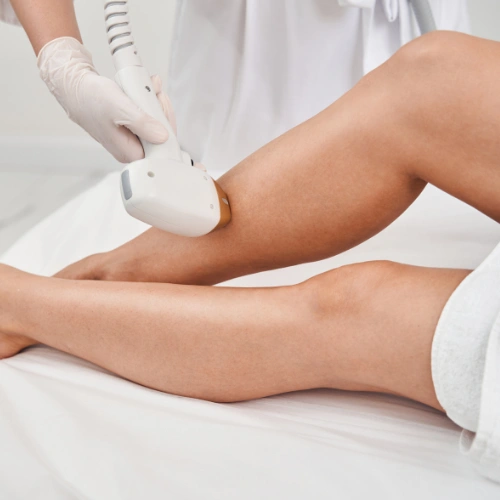
What is Electrolysis?
Electrolysis is the only hair removal method recognized as permanent by Health Canada and the FDA. Unlike laser, which relies on pigment to target hair, electrolysis works on every hair color and skin type by treating individual follicles directly. It is a precise, proven option for people who want lasting results, particularly in targeted areas like the face, chin, and bikini line. Electrolysis uses a fine probe inserted into each hair follicle to deliver a small electrical current. This current destroys the follicle's ability to produce new hair. The three main methods are galvanic (chemical reaction using direct current), thermolysis (heat-based using high-frequency current), and blend (a combination of both). Most modern clinics use thermolysis or blend, which tend to be faster and well-tolerated.
What electrolysis can help with
- ✓ Permanently removing hair from the face, including the upper lip, chin, jawline, and sideburns
- ✓ Treating light, gray, red, or white hair that laser cannot effectively target
- ✓ Precision shaping of the brows, hairline, or bikini line
- ✓ Reducing and permanently clearing hair on the underarms, legs, arms, and body
- ✓ Clearing remaining hairs after laser reduction, where residual growth is sparse but persistent
- ✓ Hair removal for all skin tones, including deeper skin tones where laser carries higher risk
What to expect during your electrolysis appointment
Sessions are typically booked in 15, 30, or 60-minute blocks. Your electrologist inserts a sterile, very fine probe alongside each hair shaft and into the follicle opening, then applies a brief pulse of energy to disable the follicle. The hair is then lifted out with tweezers. The sensation varies by area and method but is commonly described as a quick sting, zap, or heat pulse with each treatment. It is brief and repetitive rather than continuous. After your session, the treated area typically looks pink or slightly red and may feel warm or tender. Small bumps similar to mild insect bites are common and usually settle within a few hours to a couple of days. Do not tweeze, wax, or thread between sessions, as these methods remove the hair shaft from the follicle, leaving nothing for the electrologist to treat. Shaving is the electrolysis-friendly alternative between appointments.
What results can you expect with electrolysis?
Electrolysis is the only method formally classified as permanent hair removal. Successfully treated follicles do not regrow hair. However, because hair grows in cycles, not all follicles in an area are actively producing hair at the same time. This means a series of sessions is needed to catch each follicle during its active growth phase (anagen). Progress typically looks like a gradual reduction in density over several months, with clearing periods followed by lighter regrowth that decreases with each pass. Small facial zones with moderate density can often be substantially cleared within several months of regular sessions. Larger or denser areas take longer. Hormonal influences such as PCOS or thyroid conditions can affect the pace of progress and may require longer-term maintenance in some cases.
How long electrolysis results last
Follicles that are fully and successfully treated do not regenerate. Results in those follicles are permanent. The overall timeline to clear an area depends on how many total sessions are needed to treat every active follicle through its growth cycle. A small area like the upper lip may require several months of consistent weekly or biweekly appointments. Larger areas can take a year or more. Once an area is fully cleared, no ongoing maintenance is typically needed unless new hormonal hair growth develops.
Who's a good fit for electrolysis?
Electrolysis is a strong fit for anyone seeking permanent hair removal regardless of hair color or skin tone. It is particularly well-suited to people with light, gray, red, or white hair that cannot be effectively targeted by laser. It is also the preferred method for precision facial work, brow shaping, and hairline refinement where individual follicle control matters. People who have completed laser hair removal and want to address remaining hairs often turn to electrolysis to finish the job. Electrolysis requires patience and consistency. Candidates should be willing to commit to a series of appointments over several months and avoid plucking or waxing between sessions. People with active skin infections, open wounds, or certain pacemakers should discuss suitability with their provider before booking.
Alternatives to electrolysis?
- Laser hair removal: faster for larger areas with dark hair, but ineffective on light or gray hair and not suitable for all skin tones
- IPL (intense pulsed light): a broader light-based hair reduction method, less precise than laser and also pigment-dependent
- Waxing and threading: temporary removal methods that do not affect the follicle long-term
- Shaving: the most accessible temporary method, recommended between electrolysis sessions as it does not disrupt follicles
- Eflornithine cream (Vaniqa): a prescription topical that slows facial hair growth, sometimes used alongside electrolysis
Common electrolysis questions
How does electrolysis work? + -
Does electrolysis hurt? + -
How long does an electrolysis session take? + -
How soon will I see results from electrolysis? + -
Is there downtime with electrolysis? + -
Can electrolysis be combined with other treatments? + -
Who performs electrolysis? + -
Are electrolysis results natural-looking? + -
Featured clinics
Top-rated providers offering electrolysis.
Health & Beauty Enhancements Medical Spa inc
Toronto, ON
Look Radiant. Feel Resilient. Natural Enhancements. Internal Harmony. Results that speak quitely, but powerfully.
IS Beauty Clinic
Toronto, ON
Discover the beauty that IS already yours