Understanding the Difference Between Oxygen Facial and HydraFacial
Oxygen facials and HydraFacials both deliver immediate skin improvements through hydration and gentle exfoliation, but they use completely different technologies and approaches to achieve results. Oxygen facials infuse pressurized oxygen mixed with customized serums directly into your skin, creating instant plumping and radiance through enhanced product absorption. HydraFacials use patented vortex technology to simultaneously cleanse, extract impurities, exfoliate, and saturate skin with antioxidant serums in a multi-step process that addresses multiple concerns at once.
The fundamental distinction lies in how each treatment delivers benefits to your skin. Oxygen facials work primarily through pressurized delivery that pushes beneficial ingredients deeper into your epidermis, relying on the oxygen stream as a vehicle for serum penetration. HydraFacials combine gentle suction with specialized tips to physically remove debris from pores while infusing hydrating ingredients, creating a more thorough cleansing and extraction process than oxygen treatments provide.
Both treatments are non-invasive, require no downtime, and suit all skin types, making them popular choices for people seeking professional facials without the recovery demands of more aggressive procedures. The immediate glow and hydration from both treatments make them favorites before special events, though the specific results and duration of effects vary between the two. Neither treatment involves needles, chemicals, or heat, positioning them as gentle options that work well even for sensitive skin when performed correctly.
Understanding the mechanical differences between these facials helps clarify which might better address your specific skin concerns and beauty goals. While both create noticeable improvements, the path each takes to achieve results determines their effectiveness for different issues. Keep in mind that individual results vary based on your skin type, the skill of your aesthetician, and the specific products used during treatment.
How Oxygen Facial and HydraFacial Treatments Actually Work
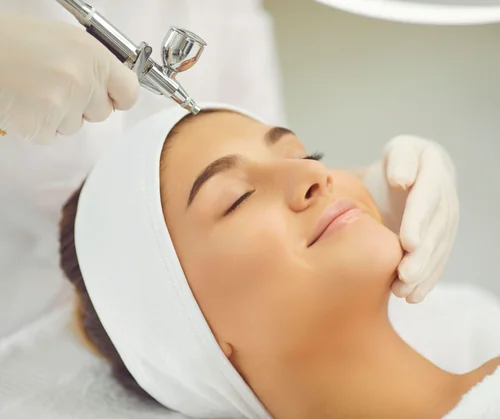
Oxygen facials begin with thorough cleansing and gentle exfoliation to prepare your skin for optimal serum absorption. Your aesthetician then uses a specialized wand that sprays a continuous stream of highly concentrated oxygen (90-95% pure) infused with vitamins, hyaluronic acid, peptides, and antioxidants across your face. This pressurized delivery system pushes the serum ingredients deeper into your skin than topical application alone would achieve, creating enhanced penetration and immediate plumping effects.
The oxygen stream temporarily increases cellular permeability, allowing your skin cells to absorb moisture and nutrients more efficiently. This creates the characteristic glow and hydration that oxygen facials are known for, with effects most noticeable immediately after treatment. The entire process typically takes 30-45 minutes and feels cool and refreshing on your skin, with no discomfort or sensation beyond gentle pressure from the oxygen stream.
The HydraFacial multi-step process works quite differently:
- Cleansing and exfoliation remove surface debris. The treatment begins with a gentle cleanse using the HydraFacial device, which simultaneously exfoliates dead skin cells through a combination of gentle suction and glycolic/salicylic acid application. This step reveals fresher skin underneath while preparing pores for extraction.
- Painless extraction clears out congested pores. The patented vortex suction technology creates a vacuum effect that pulls blackheads, whiteheads, and impurities out of your pores without manual squeezing or discomfort. This extraction component represents a major difference from oxygen facials, which don't include mechanical pore cleansing.
- Hydration infusion saturates skin with antioxidants. The final step uses the same vortex technology in reverse, flooding your skin with peptides, antioxidants, and hyaluronic acid while the device continues gentle suction. This simultaneous extraction and infusion creates the "HydraFacial glow" that combines deep cleansing with intense hydration.
The HydraFacial process takes about 30-60 minutes depending on whether you choose basic, deluxe, or platinum versions with add-ons like LED therapy or targeted boosters. The technology feels like a gentle vacuum massage on your face, with most people finding the sensation pleasant and relaxing rather than uncomfortable. Understanding what oxygen facials actually do helps clarify why the treatments produce different types of immediate results despite both being hydration-focused.
Comparing Oxygen Facial vs HydraFacial Results and Duration
Oxygen facials deliver the most dramatic results in terms of immediate glow and plumping, with skin looking noticeably radiant and hydrated within minutes of finishing treatment. The intense moisture infusion creates a dewy, luminous complexion that makes you look refreshed and well-rested, explaining why celebrities often get oxygen facials before red carpet events. However, these effects are quite temporary, typically lasting 3-7 days as the infused hydration gradually dissipates and your skin returns to baseline.
HydraFacials provide more comprehensive improvements that develop over several days and last longer than oxygen facial results. While you'll notice immediate brightness and smoothness after treatment, the full benefits continue emerging for 5-7 days as your skin responds to the deep cleansing and antioxidant infusion. Many people report HydraFacial results lasting 4-6 weeks, particularly improvements in skin clarity, texture, and reduced pore appearance from the thorough extraction component.
Key result differences between the two treatments:
- Immediate glow intensity: Oxygen facials win. The pressurized oxygen delivery creates more dramatic instant radiance and plumping compared to HydraFacials. If you need to look your absolute best within hours for an important event, oxygen facials deliver that peak glow faster.
- Lasting improvements: HydraFacials win. The combination of deep pore cleansing, chemical exfoliation, and antioxidant saturation creates changes that persist longer than oxygen facial hydration alone. Clearer pores and improved texture from extraction can last several weeks rather than days.
- Skin texture refinement: HydraFacials edge ahead. The exfoliation and extraction components of HydraFacials create more noticeable smoothing of rough patches, bumpy texture, and congested areas. Oxygen facials primarily add moisture rather than physically removing the buildup that causes texture issues.
- Fine line reduction: Comparable but different mechanisms. Both treatments temporarily soften fine lines through hydration, though oxygen facials create more dramatic immediate plumping while HydraFacials may provide slightly longer-lasting smoothness through sustained hydration and antioxidant benefits.
For maintaining optimal results from either treatment, most aestheticians recommend monthly sessions. The temporary nature of both treatments means regular appointments are necessary to sustain the improvements rather than expecting permanent changes from occasional visits. People who alternate between oxygen facials and HydraFacials often report that combining both treatments addresses more skin concerns than choosing just one option.
Which Is Better for Acne-Prone and Congested Skin
HydraFacials offer significantly better results for acne-prone and congested skin due to the mechanical extraction component that physically removes blackheads, whiteheads, and pore debris. The vortex suction technology clears out clogged pores more thoroughly than any non-extraction facial can achieve, creating immediate improvement in skin clarity and reducing the congestion that leads to breakouts. The salicylic acid used during HydraFacial exfoliation specifically targets acne by penetrating oil-filled pores and dissolving the buildup that causes comedones.
Oxygen facials can benefit acne-prone skin through the antibacterial properties of oxygen, which creates an environment less hospitable to the anaerobic bacteria that contribute to acne formation. The treatment also helps calm inflammation and delivers anti-acne ingredients like niacinamide or tea tree oil deep into skin when included in the serum blend. However, oxygen facials don't physically remove the congestion and debris from pores, limiting their effectiveness for moderate to severe acne or significantly clogged skin.
For people dealing with active breakouts, congested pores, or oily skin that tends to accumulate blackheads, HydraFacials provide more comprehensive treatment through the combination of extraction, exfoliation with acne-targeting acids, and hydration. The ability to see the extracted debris in the HydraFacial tip gives immediate visual confirmation of deep pore cleansing that oxygen facials simply can't match. Many dermatology practices specifically recommend HydraFacials for acne maintenance between more aggressive treatments.
That said, oxygen facials work well for sensitive, acne-prone skin that might react poorly to the suction and acids used in HydraFacials. Some people with very reactive skin find HydraFacial extraction too stimulating and prefer the gentler approach of oxygen infusion. The choice depends on your acne severity, skin sensitivity, and whether physical pore cleansing is a priority for your skin concerns.
Is Oxygen Facial or HydraFacial Better for Sensitive Skin
Oxygen facials generally prove gentler for extremely sensitive, reactive, or inflamed skin since they don't involve physical suction, chemical exfoliation, or mechanical extraction that could trigger irritation. The pressurized oxygen delivery feels soothing and cool on skin, with no pulling, tugging, or potentially irritating acids. People with rosacea, eczema, or very thin, sensitive skin often tolerate oxygen facials better than treatments involving more aggressive techniques.
HydraFacials, while still considered gentle compared to chemical peels or microdermabrasion, do involve suction and mild acids that can sometimes overstimulate sensitive complexions. The vortex technology creates a vacuum effect that might cause temporary redness in people with very reactive capillaries or rosacea-prone skin. The glycolic and salicylic acids used during exfoliation are relatively mild but can still trigger sensitivity in people who react poorly to any chemical exfoliants.
Sensitivity considerations for each treatment:
- Oxygen facials avoid mechanical and chemical irritants. The treatment relies solely on pressurized delivery and beneficial serums without incorporating anything that physically or chemically disrupts your skin barrier. This makes it the safer choice for compromised, inflamed, or hypersensitive skin types.
- HydraFacials can be customized for sensitivity. While standard HydraFacials include acids and extraction, your aesthetician can adjust suction strength and choose gentler serums specifically formulated for sensitive skin. Many practices offer "sensitive skin" HydraFacial protocols that minimize potential irritation.
- Post-treatment reactions differ between treatments. Oxygen facials rarely cause any redness or reaction beyond temporary plumpness, while HydraFacials occasionally create mild, short-lived flushing from the suction and exfoliation. These reactions typically resolve within hours rather than days.
Both treatments are significantly gentler than aggressive facials, making either suitable for most people with sensitivity concerns. The decision often comes down to whether your sensitive skin also deals with congestion requiring extraction (favoring customized HydraFacial) or if pure hydration without any stimulation is your priority (favoring oxygen facial). Consulting with an experienced aesthetician who can assess your specific sensitivity triggers helps determine the safest choice.
Oxygen Facial vs HydraFacial Cost Comparison
Oxygen facials typically cost $100-$200 per session at most spas and medical aesthetics practices, with pricing varying based on geographic location, provider credentials, and what's included in the treatment. The relatively straightforward technology and shorter treatment time compared to HydraFacials often translates to slightly lower pricing, though premium spas in major cities can charge comparable rates for both treatments. Package deals offering 3-5 sessions usually reduce the per-treatment cost by 10-20%.
HydraFacials generally run $150-$300 per session for the basic treatment, with deluxe and platinum versions costing $250-$400 when you add boosters, LED therapy, lymphatic drainage, or other enhancements. The patented technology and more complex multi-step process justify the higher pricing compared to oxygen facials. Many practices offer monthly HydraFacial memberships that provide treatments at discounted rates for people committed to regular sessions.
The cost difference often reflects the comprehensiveness of results rather than just treatment complexity. HydraFacials deliver more extensive improvements through extraction and exfoliation components that oxygen facials don't include, potentially making the higher per-session cost worthwhile for people with congested or textured skin. However, oxygen facials can provide excellent value for those primarily seeking hydration and glow without needing deep pore cleansing.
Budget-conscious people sometimes alternate between the treatments, getting HydraFacials monthly for deep cleansing and maintenance while adding oxygen facials before special events for maximum radiance. This combination approach costs more than choosing just one treatment but addresses different skin needs throughout the year. Consider your primary skin concerns and budget constraints when deciding whether to invest in one treatment consistently or rotate between both.
Which Treatment Works Better for Aging Skin and Wrinkles
Both oxygen facials and HydraFacials provide temporary improvement in fine lines and early aging signs through intense hydration that plumps skin and makes wrinkles less noticeable. However, neither treatment delivers the dramatic, lasting anti-aging results you'd get from more intensive procedures like laser resurfacing, chemical peels, or injectable treatments. They work best as maintenance between aggressive treatments or for people in their 20s and 30s focused on prevention rather than correction of established aging.
Oxygen facials create more immediate plumping and smoothing of fine lines through the intense moisture infusion, making them excellent choices before events when you want to look your freshest. The antioxidants and peptides delivered via pressurized oxygen may support collagen production over time with regular treatments, though scientific evidence for this remains limited. The visible wrinkle-softening from oxygen facials fades within days as hydration levels normalize.
HydraFacials may offer slightly better long-term anti-aging benefits through consistent exfoliation that promotes cell turnover and the delivery of specialized anti-aging boosters like growth factors or peptides. The removal of dull, dead skin cells reveals fresher skin underneath while the antioxidant serums help protect against environmental damage that accelerates aging. Regular monthly HydraFacials can help maintain skin health and potentially slow visible aging when combined with proper sun protection and quality home skincare.
For moderate to severe wrinkles, significant skin laxity, or pronounced aging concerns, neither oxygen facials nor HydraFacials will provide substantial improvement on their own. These treatments work better as complements to more powerful anti-aging interventions like retinoids, neurotoxin injections, or energy-based devices. They help keep skin healthy, hydrated, and glowing between more intensive treatments rather than serving as primary anti-aging solutions.
Can You Combine Oxygen Facial and HydraFacial Treatments
Many spas and medical aesthetics practices offer combination treatments that incorporate both oxygen infusion and HydraFacial technology in a single extended session. These combined facials typically start with the HydraFacial process for deep cleansing, extraction, and exfoliation, then finish with oxygen infusion to maximize hydration and create dramatic glow. The combination addresses multiple skin concerns more comprehensively than either treatment alone, though it costs more and takes longer than individual sessions.
Some people prefer alternating between oxygen facials and HydraFacials on different months rather than combining them in one session. This rotation approach allows you to benefit from deep pore cleansing one month and intense hydration boost the next, keeping your skin consistently healthy without the higher cost of combination treatments. Alternating also lets you tailor each month's facial to your current skin needs rather than getting the same treatment regardless of seasonal changes or skin condition.
Strategic approaches to combining or alternating treatments:
- Monthly HydraFacials with pre-event oxygen facials. Maintain regular deep cleansing and exfoliation with monthly HydraFacials, then add oxygen facials 1-2 days before weddings, photo shoots, or important presentations when you need peak radiance.
- Seasonal rotation based on skin needs. Get HydraFacials during seasons when your skin is more congested or oily, switching to oxygen facials during dry winter months when hydration becomes your primary concern.
- Combined treatments for special occasions. Invest in the full combination facial before milestone events like weddings or milestone birthdays when you want absolutely everything your skin can offer in terms of glow, clarity, and smoothness.
There's no medical reason you can't receive both treatments in the same week or even the same day, as both are gentle and non-invasive. However, the cumulative cost and time investment makes this approach impractical for most people's regular skincare maintenance. Discuss your skin goals and budget with your aesthetician to develop a treatment plan that incorporates both facials strategically rather than just duplicating hydration benefits.
Choosing Between Oxygen Facial or HydraFacial for Your Skin Type
Normal to dry skin types often prefer oxygen facials for the intense moisture infusion that addresses dehydration directly without the potential drying effects that can sometimes follow extraction-heavy facials. The pure hydration focus of oxygen treatments creates dramatic improvements in skin that's primarily suffering from lack of moisture rather than congestion or texture issues. People with dry skin typically see more noticeable, longer-lasting results from oxygen facials compared to those with oily complexions.
Oily and combination skin types usually benefit more from HydraFacials due to the extraction component that addresses the congestion, blackheads, and enlarged pores common in oil-prone skin. The salicylic acid exfoliation specifically targets excess sebum while the suction clears out debris that accumulates in oily pores. Regular HydraFacials help manage oil production and keep pores clear in ways that oxygen facials alone can't achieve.
Mature skin dealing with early aging signs gets value from both treatments, though the specific benefits differ. Oxygen facials create more dramatic immediate plumping for events, while HydraFacials provide better ongoing texture improvement through exfoliation and antioxidant protection. Many people with aging skin alternate between treatments or combine them to address both immediate cosmetic needs and long-term skin health.
Acne-prone or congested skin almost always benefits more from HydraFacials unless sensitivity issues make extraction problematic. The ability to physically remove pore blockages while treating with acne-targeting acids makes HydraFacial the clear choice for managing breakouts and preventing new congestion. Oxygen facials can supplement acne treatment through antibacterial effects but shouldn't replace proper pore cleansing for significantly congested skin. Reviewing potential oxygen facial side effects helps you understand what reactions might occur regardless of which treatment you choose.
Making Your Decision: Oxygen Facial vs HydraFacial
Choose oxygen facials if your primary concerns involve dullness, dehydration, or needing immediate radiance before special events. The treatment excels at creating instant glow and plumping that makes you look refreshed and well-rested within hours. Oxygen facials work particularly well for sensitive skin that might react poorly to extraction or chemical exfoliation, offering gentle hydration without potentially irritating techniques. If you have naturally dry skin or live in arid climates, the intense moisture boost from oxygen treatments may provide more noticeable improvements than HydraFacials.
Select HydraFacials if you're dealing with congested pores, blackheads, uneven texture, or need comprehensive skin maintenance that addresses multiple concerns simultaneously. The extraction component makes HydraFacials substantially more effective for oily, acne-prone, or textured skin that needs physical pore cleansing. The longer-lasting results and more thorough treatment process justify the higher cost for people seeking sustained improvements rather than just temporary glow. HydraFacials work better as monthly maintenance treatments that actually improve skin health over time rather than just creating cosmetic enhancement.
Final decision factors to consider:
- Your timeline and event schedule. Need maximum glow within 24-48 hours? Oxygen facial. Want improvements that build and last several weeks? HydraFacial.
- Your primary skin concern. Dehydration and dullness favor oxygen facials. Congestion, texture, and clarity favor HydraFacials.
- Your sensitivity level. Very reactive skin often tolerates oxygen facials better, while HydraFacials work for most people with normal sensitivity.
- Your budget and maintenance commitment. Both require monthly treatments to maintain results, so choose the one that addresses your concerns most effectively within your budget rather than the cheaper option that doesn't meet your needs.
Many people find that neither treatment alone perfectly addresses all their skin needs, making strategic combination or alternation the ideal approach. Starting with a consultation at a reputable spa or medical aesthetics practice helps you understand which treatment or combination makes sense for your specific skin type and goals. Understanding the comprehensive benefits of oxygen facials alongside HydraFacial advantages allows you to make informed decisions about your facial treatment plan.