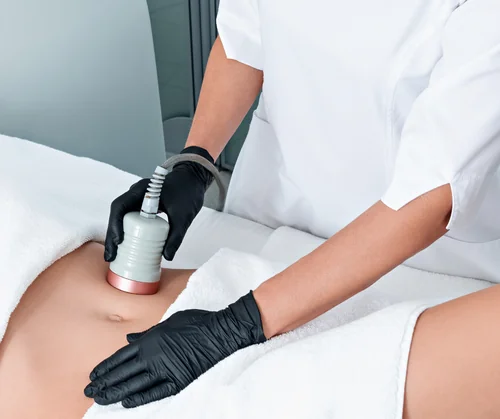
What You Need to Know About CoolSculpting Safety
CoolSculpting is FDA-cleared and generally considered safe for most people when performed by qualified providers. The FDA approved cryolipolysis (the technology behind CoolSculpting) in 2010 after reviewing clinical data on safety and effectiveness. Millions of treatments have been performed worldwide with most people experiencing only mild, temporary side effects like numbness, redness, or swelling.
However, like any medical procedure, CoolSculpting carries potential risks you should understand before treatment. Most side effects are temporary and resolve within days to weeks, but rare complications can occur. The most concerning is paradoxical adipose hyperplasia (PAH), where treated fat enlarges instead of shrinking. Research suggests PAH may occur more frequently than initially reported, affecting approximately 1 in 138 treatments rather than the manufacturer's earlier estimate of 1 in 4,000.
Body contouring procedures require careful consideration of both benefits and risks. CoolSculpting offers advantages over surgical options like no incisions, no anesthesia, and minimal downtime. However, results are more modest than liposuction, and not everyone is a suitable candidate. People with certain medical conditions, those who are significantly overweight, or those with unrealistic expectations may not be good candidates.
The safety of your CoolSculpting treatment depends heavily on provider qualifications, proper candidate selection, and using FDA-cleared devices. Choosing board-certified dermatologists or plastic surgeons who have extensive experience with the procedure can minimize risks. Avoiding uncertified providers, at-home devices, or non-FDA-cleared equipment is essential for safety.
Individual responses to CoolSculpting vary, and outcomes cannot be guaranteed. Like all cosmetic procedures, results depend on factors including your body composition, treatment area, and adherence to healthy lifestyle habits afterward. This information is educational and should not replace consultation with qualified medical providers who can assess your specific situation. See does CoolSculpting work for effectiveness information.
FDA Approval and Safety Profile
Understanding regulatory clearance helps contextualize safety.
FDA Clearance Status
The FDA cleared CoolSculpting in 2010 and has since expanded clearances to nine body areas: abdomen, flanks, thighs, back, upper arms, under buttocks, beneath chin, and jawline. FDA clearance means the device demonstrated reasonable safety and effectiveness for specific uses, though it doesn't guarantee complication-free outcomes for everyone.
Clinical Safety Data
Multiple studies indicate CoolSculpting has a favorable safety profile compared to surgical alternatives, with most side effects being mild and temporary. However, long-term safety data remains limited since the technology is relatively new.
Treatment Volume Statistics
Over 10 million CoolSculpting treatments have been performed globally, helping identify both common and rare side effects. However, treatment volume doesn't guarantee individual safety, as outcomes depend on technique, candidate selection, and individual factors.
Common CoolSculpting Side Effects
Most side effects are temporary and resolve without intervention.
During Treatment Sensations
During your session, you'll likely experience pulling, tugging, or intense cold sensations that typically subside after 5-10 minutes as the area becomes numb. Some people experience mild cramping. Treatment lasts 35-75 minutes per area, and most people read, work, or watch videos during the session.
Immediate Post-Treatment Effects
Right after treatment, common effects include:
- Redness and inflammation: The treated area often appears red or pink and may feel warm. This typically resolves within hours to a few days.
- Swelling: Mild to moderate swelling is common and can last 1-2 weeks. The area may appear slightly larger immediately after treatment before fat reduction becomes visible.
- Bruising: Some people develop bruising around the treatment site that fades within 1-2 weeks.
- Tenderness: The area may feel tender to touch for several days, similar to post-exercise muscle soreness.
- Numbness or tingling: Temporary altered sensation is very common and can persist for several weeks. Most sensation returns to normal within 1-2 months.
Short-Term Recovery Effects
In the days following treatment, you might experience firmness in the treated area, stinging or itching as nerves recover, or temporary skin sensitivity. These effects typically don't interfere with normal activities, and most people return to work and exercise immediately. See does CoolSculpting hurt for pain information.
Rare but Serious CoolSculpting Complications
While uncommon, some complications require medical attention.
Paradoxical Adipose Hyperplasia (PAH)
PAH is the most serious known complication. Instead of shrinking, the treated fat area enlarges and becomes firm or rubbery. This opposite effect develops gradually over 2-4 months after treatment and doesn't resolve on its own. Recent research suggests PAH occurs in approximately 1 in 138 treatments, significantly higher than earlier manufacturer estimates of 1 in 4,000.
PAH appears more common in men than women, though the exact reason remains unclear. Risk factors may include male gender, Hispanic ethnicity (based on limited data), and certain genetic factors, though predictability remains poor. The condition isn't dangerous or life-threatening, but it can only be corrected through liposuction or surgical fat removal after the tissue softens (typically 6-9 months).
Supermodel Linda Evangelista's 2021 disclosure about developing PAH brought widespread attention to this complication. Her case resulted in a settlement with the manufacturer and highlighted the importance of informed consent regarding all potential risks.
Motor Neuropathy
Rare cases of nerve damage affecting muscle control have been reported, particularly after chin or jawline treatments. Motor neuropathy can cause temporary or prolonged muscle weakness or difficulty with facial expressions. Most cases resolve within weeks to months.
Prolonged Pain or Dysesthesia
While temporary numbness is common, some people experience prolonged abnormal sensations including persistent tingling, burning, or shooting pains lasting months. This occurs in a very small percentage but can impact quality of life.
Hyperpigmentation
Skin darkening occurs in approximately 1 in 11,000 treatments. This usually resolves over time but can persist for months. Topical lightening agents may help improve appearance.
Frostbite or Cold Injury
Improper technique or equipment malfunction can rarely cause actual frostbite or cold burns. This risk is minimized with properly trained providers using FDA-cleared equipment.
Who Should Not Get CoolSculpting
Certain people face higher risks or aren't appropriate candidates.
Medical Contraindications
You should not undergo CoolSculpting if you have:
- Cold-related conditions: Cryoglobulinemia, cold agglutinin disease, or paroxysmal cold hemoglobinuria
- Raynaud's disease: Extreme sensitivity to cold
- Nerve disorders: Pre-existing neuropathy in treatment areas
- Pregnancy or nursing: Effects haven't been studied
- Active skin conditions: Eczema, psoriasis, dermatitis, or open wounds in treatment areas
Physical Limitations
CoolSculpting may not be safe or effective if you're significantly overweight (BMI over 30), have very loose skin requiring surgical tightening, lack sufficient pinchable fat (need at least 1/2 inch), have hernias in treatment areas, or have metal implants or pacemakers nearby.
Medication and Health Considerations
Discuss with your provider if you take blood thinners (may increase bruising), have diabetes, circulation problems, autoimmune conditions, history of keloid scarring, or are immunocompromised. Your provider will evaluate whether treatment is appropriate. See CoolSculpting cost for pricing if you're a suitable candidate.
CoolSculpting Safety vs. Alternative Procedures
Comparing safety profiles helps with decision-making.
CoolSculpting vs. Liposuction Safety
CoolSculpting advantages include no anesthesia risks (avoiding complications like allergic reactions or respiratory issues), no incision-related risks (eliminating infection, poor wound healing, or scarring concerns), and minimal downtime with most people resuming normal activities immediately.
However, liposuction offers more predictable, dramatic results in a single procedure, can remove larger fat volumes safely, and has decades of safety data. The trade-off involves accepting surgical risks like infection, bleeding, or anesthesia complications. See CoolSculpting vs tummy tuck for surgical comparison.
CoolSculpting vs. Other Non-Invasive Treatments
Other non-surgical technologies use different mechanisms (ultrasound, radiofrequency, laser) with varying safety profiles. CoolSculpting's FDA clearance and extensive use provide more safety data than newer technologies, though PAH risk appears unique to cryolipolysis.
Factors Affecting CoolSculpting Safety
Multiple variables influence your risk level.
Provider Qualifications
Safety depends heavily on who performs your treatment. Board-certified plastic surgeons or dermatologists with extensive CoolSculpting training typically have lower complication rates. Red flags include extremely low prices, lack of medical credentials, uncertified equipment, or unrealistic promises. Always verify credentials and ask about specific CoolSculpting experience.
Equipment Quality
FDA-cleared CoolSculpting devices have built-in safety features including temperature monitoring and automatic shutoff. Using authentic Allergan equipment rather than knockoff devices is critical. CoolSculpting Elite (the newest generation) has improved safety features reducing PAH risk compared to earlier systems.
Treatment Technique
Proper applicator selection, appropriate treatment duration and temperature, adequate skin protection, and post-treatment massage protocols all affect safety. Experienced providers optimize these variables to minimize risks while maximizing results.
Your Individual Factors
Your body's response influences safety based on overall health, skin sensitivity, fat distribution, adherence to instructions, and realistic expectations. Communicating openly with your provider about medical history and concerns helps ensure safe treatment.
Minimizing CoolSculpting Risks
Taking precautions reduces potential complications.
Pre-Treatment Steps
Choose qualified, board-certified providers with extensive experience. Disclose complete medical history. Have realistic expectations about fat reduction (typically 20-25% per area). Confirm you're within appropriate BMI range (under 30). Ask about equipment being used (preferably Elite).
During Treatment Safety
Communicate unusual sensations immediately. Ensure proper skin protection before applicator placement. Verify treatment settings are appropriate for your anatomy and don't exceed recommended duration or temperature.
Post-Treatment Monitoring
Watch for signs requiring medical attention:
- Excessive swelling, pain, or discomfort beyond expected levels
- Signs of infection (fever, increasing redness, warmth, discharge)
- Prolonged numbness lasting more than 2-3 months
- Paradoxical enlargement of treated area developing 2-4 months post-treatment
- Severe or worsening pain rather than gradual improvement
Contact your provider promptly if you experience concerning symptoms. Early intervention may help manage complications more effectively.
Lifestyle Factors
Maintaining stable weight after treatment helps preserve results. Gaining significant weight may stress the treated area. Following a balanced diet and exercise supports optimal healing. See how long does CoolSculpting last for longevity information.
Questions to Ask About CoolSculpting Safety
Informed decision-making requires asking the right questions.
Provider Qualification Questions
- What are your medical credentials and certifications?
- How many CoolSculpting treatments have you personally performed?
- What is your rate of complications or adverse events?
- Do you use FDA-cleared Allergan CoolSculpting equipment?
- What CoolSculpting technology version do you offer (Elite vs. older systems)?
- Are you trained to recognize and manage complications like PAH?
- Can I see before-and-after photos of actual patients you've treated?
Personal Risk Assessment Questions
- Based on my medical history, am I a good candidate?
- What are my specific risk factors for complications?
- What side effects should I expect in my case?
- How will you monitor me for potential complications?
- What happens if I develop PAH or other serious complications?
- Do you offer any guarantees or revision policies?
- What are my alternatives if I'm not an ideal candidate?
Treatment-Specific Safety Questions
- What safety precautions do you take during treatment?
- How do you determine appropriate settings for my anatomy?
- What should I do if I experience unusual symptoms after treatment?
- How long should side effects last, and when should I be concerned?
- Will you be performing the treatment or will it be delegated to staff?