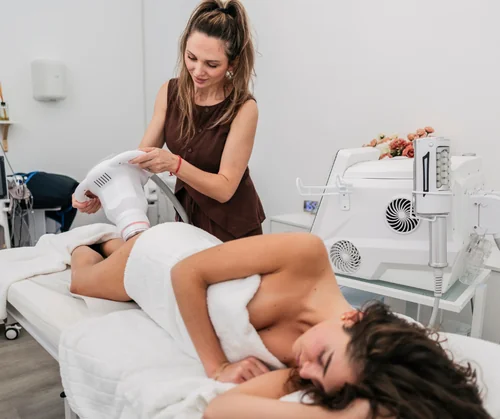
What You're Actually Paying For (And Why It Matters)
Here's what most people don't realize about body contouring cost: there's no single price tag. You might pay $750 for a small CoolSculpting session or $12,000 for a full tummy tuck. The difference comes down to what you're treating, how you're treating it, and who's doing the work.
The Real Price Range
- Non-surgical treatments typically range from $600 to $4,000 per session. You'll often need multiple sessions spaced weeks apart, with each session gradually reducing fat or building muscle.
- Surgical options start around $5,000 and can exceed $15,000. These deliver more dramatic changes in a single procedure and include anesthesia, operating room fees, and aftercare.
- Treatment area size directly impacts pricing, with larger zones like the abdomen costing significantly more than smaller areas.
Body contouring cost depends on whether you're sculpting small stubborn areas with non-invasive tech or reshaping larger portions through surgery. Your location, provider's experience, and how many areas you're treating also play major roles. If you're exploring what body contouring actually is, understanding these factors helps you match goals with realistic budget expectations.
How Much Does Body Contouring Cost Per Session?
Non-surgical options range from $600 to $4,000 per session depending on the treatment and area size. Smaller zones like upper arms sit at the lower end, while larger areas like the abdomen or thighs push costs higher.
Popular Non-Surgical Options
- CoolSculpting: $750-$1,500 per area. Most people need one to three sessions spaced eight weeks apart.
- Emsculpt: $1,000-$3,500 per session. Requires four to six sessions scheduled weekly for muscle building and fat reduction.
- Radiofrequency/ultrasound treatments: $800-$2,500 per session, depending on technology and area size.
The Multi-Session Reality
One session rarely delivers complete results. Non-surgical treatments work gradually, so you'll multiply the per-session cost by total treatments needed. Some clinics offer package deals bundling multiple sessions at a discount, which is often more budget-friendly than paying individually.
Why Body Contouring Prices Vary So Dramatically
Walk into three different clinics and you'll get three different quotes. Several concrete factors determine what you'll pay.
Treatment Type Makes the Biggest Difference
A CoolSculpting session might run $1,200, while surgical liposuction on the same spot could start at $5,000. You're paying for different levels of invasiveness, expertise, and equipment.
Geographic Location Shifts Pricing
Metropolitan areas cost 30-50% more than smaller cities due to higher overhead. Many providers note that location plays a crucial role in determining final costs for both surgical and non-surgical options.
Provider Expertise and Treatment Details
- Board-certified surgeons with proven results charge more than newer practitioners
- Larger treatment areas require more time and resources
- Multiple areas together often get package pricing ($3,500 for three areas vs. $4,500 separately)
Additional Fees for Surgical Procedures
The surgeon's fee is just one part:
- Operating room fees: $800-$2,500
- Anesthesia: $500-$1,500
- Pre-operative testing: $200-$500
- Post-operative garments and supplies: $200-$500
Ask every provider to break down pricing so you understand what's included versus what costs extra.
Average Cost of Body Contouring by Treatment Type
- Fat-freezing (CoolSculpting): $750-$1,500 per area. Total investment for one zone: $750-$4,500 (1-3 sessions needed)
- Muscle-building (Emsculpt): $1,000-$3,500 per session. Complete treatment: $4,000-$12,000 (4-6 sessions)
- Radiofrequency/ultrasound: $800-$2,500 per session. Total: $2,400-$10,000 (3-6 sessions)
- Surgical liposuction: $5,000-$10,000+ (one-time procedure including all fees)
- Tummy tuck: $8,000-$15,000 (addresses excess skin and separated muscles)
- Body lift (post-weight loss): $10,000-$20,000+ (removes large amounts of excess skin)
Remember that non-surgical options require multiple sessions. A $1,500 per session treatment needing six sessions totals $9,000, which might exceed a single surgical procedure delivering similar results.
Breaking Down Non-Surgical Body Contouring Costs
Non-surgical body contouring appeals to people who want results without downtime or anesthesia. Average cost ranges from $2,000 to $4,000 per treatment area for a full series.
How These Treatments Work
Fat reduction technologies destroy fat cells gradually. Your body processes dead cells over two to three months, which is why most providers recommend three to six sessions per area. Muscle-building treatments like Emsculpt need four to six sessions scheduled twice weekly.
Smart Questions to Ask
- How many sessions does the provider recommend for your goals?
- Does the quoted price include all sessions or just per-session rates?
- What technology is the clinic using? Make sure they're using FDA-cleared body contouring devices for safety and efficacy.
- Are before-and-after photos available for similar body types?
Package Deals and Financing
Package deals can save 15-30% compared to paying session by session. Many practices work with healthcare financing companies letting you spread payments over several months with promotional interest rates.
What Influences Surgical Body Contouring Costs
Surgical body contouring delivers more dramatic transformations but involves higher costs and complexity. Understanding what drives pricing helps you budget appropriately.
The Core Cost Components
Surgeon's fee: $3,000-$10,000 (based on complexity and experience). Board-certified plastic surgeons with proven track records command higher fees but often deliver better results.
Additional Required Fees
- Anesthesia: $500-$1,500
- Operating room: $800-$2,500
- Medical testing: $200-$400
- Post-operative supplies: $200-$500
- Follow-up appointments: Usually included
Combination Procedures Save Money
A "mommy makeover" (tummy tuck + breast lift + lipo) performed together runs $15,000-$20,000 versus $25,000-$30,000 separately. You also only go through one recovery period.
Insurance and Financing
Insurance rarely covers body contouring except when excess skin from major weight loss causes medical issues like infections. Most practices offer financing through CareCredit, Alphaeon Credit, or PatientFi with promotional zero-interest periods.
Body Contouring Cost by Treatment Area
Where you want treatment directly impacts what you'll pay. Here's what to expect by zone:
- Abdomen: $1,500-$5,000 (non-surgical) or $6,000-$12,000 (surgical). The largest treatment area most people target.
- Flanks/love handles: $750-$2,000 per side (non-surgical) or $3,000-$6,000 (surgical). Often packaged with abdomen.
- Thighs: $1,200-$4,000 per area (non-surgical) or $4,000-$8,000 (surgical). Large surface area with significant deposits.
- Arms: $800-$2,500 (non-surgical) or $4,000-$7,000 (surgical arm lifts).
- Double chin/neck: $750-$2,000 (non-surgical) or $3,000-$7,000 (surgical).
- Buttocks/hips: $1,500-$4,000 (non-surgical) or $5,000-$10,000 (surgical).
Most people treat multiple areas for balanced results. Many providers offer multi-area pricing that reduces per-area costs. For example, treating abdomen, flanks, and inner thighs together might cost $7,500 as a package instead of $10,000 separately.
If you're investing in body contouring treatments, combining areas creates more harmonious proportions and better value.
How Many Body Contouring Sessions Do You Actually Need?
The number of sessions directly determines your total investment and time commitment.
Non-Surgical Treatment Timelines
- Fat reduction (CoolSculpting): 1-3 sessions per area, spaced 8-12 weeks apart. Each destroys ~20-25% of fat cells.
- Muscle-building (Emsculpt): 4-6 sessions, twice weekly for 2-3 weeks.
- Radiofrequency/ultrasound: 3-6 sessions, spaced 2-4 weeks apart.
Surgical Procedures
Surgical body contouring is typically one-time, though extensive cases might require staging. For example, treating abdomen and thighs first, then arms and back months later after full recovery.
Factors That Influence Session Count
- Fat deposit size (smaller responds faster)
- Your metabolism and healing response
- Goal realism (dramatic transformation from one session usually disappoints)
- Skin quality and fat distribution
Always get session estimates in writing with total cost for the complete plan. Some clinics quote tempting per-session prices but neglect to mention you'll need six or eight sessions. That $800 session becomes a $4,800-$6,400 investment.
Is Body Contouring Covered by Insurance?
Insurance almost never covers body contouring because it's considered cosmetic. You'll typically pay out of pocket for the full cost.
The One Exception
Body lift surgery after massive weight loss may be partially covered if excess skin causes documented medical problems (chronic infections, rashes, mobility issues). You'll need thorough documentation from your physician proving medical necessity. Even then, insurance typically won't cover cosmetic aspects like muscle tightening or contouring refinements.
Financing Your Treatment
Most practices work with healthcare financing companies:
- CareCredit: Largest healthcare credit card with promotional periods
- Alphaeon Credit: Specializes in cosmetic procedures
- PatientFi: Elective medical procedure financing
- In-house payment plans: Some practices offer direct installment options
Before committing, understand interest rates and what happens if you miss payments. Some promotional offers charge retroactive interest on the entire balance if not paid off in time.
Many practices accept HSA or FSA funds when there's a medical component. Check with your account administrator.
Is Body Contouring Worth the Investment?
"Worth it" depends entirely on your expectations and goals. For some, spending thousands delivers life-changing confidence. For others, it's disappointing.
Setting Realistic Expectations
Body contouring works best when you understand what it can and can't do. Non-surgical treatments excel at eliminating small stubborn fat pockets and providing subtle improvements without downtime. They won't replace weight loss or dramatically transform your entire physique. Surgical options deliver more significant changes but require recovery time.
Questions to Ask Yourself
- Have you tried targeted exercise without seeing improvement in problem areas?
- Are you at a stable, healthy weight? (Treatments work best when maintaining, not actively losing or gaining)
- Do you understand non-surgical treatments deliver gradual improvements, not overnight transformations?
- Can you afford the full plan without financial stress?
- Are you choosing this for yourself, not because of pressure from others?
Long-Term Value
How long body contouring results last factors into value. Non-surgical fat reduction destroys cells permanently, but remaining cells can expand with weight gain. Muscle-building treatments fade without maintenance. Surgical procedures provide the longest-lasting outcomes.
Many find body contouring delivers most value when combined with healthy habits. The procedure jumpstarts results while exercise and nutrition maintain them. The psychological benefits—feeling confident, wearing clothes you love—can significantly improve quality of life.
Review before-and-after photos of similar body types and ask detailed questions before committing financially.
Smart Ways to Save on Body Contouring Costs
Several legitimate strategies can help you access treatments without paying full retail prices. Avoid deals that seem too good to be true—extreme discounts often signal inexperienced providers or outdated equipment.
Legitimate Savings Strategies
- Promotional events: Many practices run seasonal sales (New Year's, summer, holidays) offering 15-30% off. Sign up for email lists.
- Package pricing: Buying multiple sessions or areas upfront costs less than paying individually.
- Financing promotions: Some companies offer 0% interest for 6-18 months if paid off in time.
- Off-season timing: Late fall and early winter often see better pricing as demand drops.
- Loyalty and referral programs: Earn credits toward future treatments or discounts for referring friends.
- Geographic arbitrage: Smaller cities charge less than metropolitan areas (factor in travel costs).
- HSA/FSA funds: May qualify when procedures have medical components.
What NOT to Do
- Don't choose the cheapest provider without researching credentials and outcomes
- Don't travel abroad for cheaper procedures without understanding limited recourse for complications
- Don't buy Groupon deals for medical procedures
- Don't skip recommended sessions (incomplete plans waste money)
Smart savings come from strategic timing and package deals with reputable providers, not cutting corners on quality.
Questions to Ask During Your Consultation About Cost
Walking into a consultation prepared with specific financial questions helps you avoid surprise charges.
Essential Questions
- What's included in the quoted price? (consultation, post-treatment care, garments, medications, follow-ups?)
- How many sessions will I realistically need? (get specific answer and total cost in writing)
- Are there additional fees? (anesthesia, operating room, testing, supplies?)
- Do you offer package pricing or payment plans? (inquire about financing companies)
- What's your policy on additional treatments if I'm not satisfied? (complimentary touch-ups or full price?)
- What's the cost for maintenance sessions down the road?
- What happens if complications occur? (included or additional charges?)
- Do you have current promotions? (many practices have unadvertised deals)
- Can you show before-and-after photos of similar body types with similar treatment plans?
- What's your cancellation and refund policy?
Don't feel awkward asking detailed financial questions. Reputable providers expect informed patients. If a provider seems evasive about cost, that's a red flag. Get everything in writing before committing, and don't let anyone pressure you into deciding on the spot.